Tag Archive for: inclusion

IWD: How To Create A Fair & Inclusive Workplace

At Think Organisation, we help leaders create inclusive workplaces for everyone, recognising that many groups (including women) continue to face marginalisation. We firmly believe, backed by years of evidence, that workplace culture should be fair, consistent, transparent, so that, most importantly – it is inclusive for all.

“Diversity: the art of thinking independently together.” – Malcolm Forbes

Does celebrating International Women’s Day (IWD) contribute to this journey? And what are the do’s and don’ts for organisations striving to build truly inclusive, award-winning cultures?


While IWD is intended to celebrate and advance gender equality, recent years have seen numerous well-intentioned but ultimately misguided campaigns that have undermined its purpose. The goal is to drive meaningful progress. But does anyone remember the red lips campaign from a few years ago? Or consider the image below: does it truly promote IWD in an inclusive way?


Half-dressed women with flowers . . . really?



Like the image above, there was the year when Google Doodle celebrated International Women’s Day (IWD) with flowers and soft pastels on its homepage – reinforcing traditional gender associations rather than highlighting women’s achievements or advocating for real change.


While these gestures may not have been intended to trivialise the challenges women face in the workplace and beyond, they serve as prime examples of how workplace equality cannot be achieved through symbolic gifts or temporary gestures.


What should organisations be doing?

A recent case highlights the reality behind many corporate IWD celebrations. A large organisation has just lost another exemplary female employee, just months after she returned from maternity leave. Despite public claims of supporting women (and plenty of cupcakes on IWD to demonstrate their “commitment”), the reality was starkly different.


If this organisation genuinely supported IWD, then:


  1. It wouldn’t have required her to return to full-time work just to be eligible for her bonus (as part-time employees weren’t entitled to any bonus ?).
  2. It would have been flexible in considering her request for adjusted working hours instead of hiding behind the “you only get one request per year” policy and rejecting it with “we don’t want to set a precedent.”
  3. It would have acknowledged her resignation, which clearly stated the reasons for leaving, and had a conversation about how they could have retained a talented employee in a way that worked for both parties.


As a result, this organisation has lost yet another highly skilled, dedicated professional due to outdated practices, rigid policies, and an inflexible working culture. What they claim to stand for is not reflected in reality, which is disheartening, especially as they are already promoting #IWD25 loudly declaring their inclusivity.


Now, let’s move beyond performative gestures and focus on the practical, science-based steps organisations must take to create genuinely inclusive workplaces.


Review Processes & Procedures

The situation above is not uncommon, and often, there is no single person to blame for communication breakdowns. Instead, multiple organisational shortcomings contribute to the loss of valuable talent. This is why regular, in-depth reviews of policies, procedures, and workplace practices are essential.


  • Conduct annual 360° reviews of policies and ways of working.
  • Gather honest feedback from employees, particularly those from underrepresented groups.
  • Identify barriers to inclusion and act to remove them.
  • Ensure end-to-end employee experiences are designed to be fair, consistent, and transparent.


Many organisations unintentionally implement processes that hinder performance and talent retention. The key is to challenge assumptions, check in with employees who may be at risk, and ensure policies align with the organisation’s stated values.


Embed Inclusion & Belonging in Organisational Values

Workplace processes, policies, and behaviours often stem from an organisation’s espoused values, which are the principles it claims to uphold. However, all too often, there is a disconnect between the values that are publicly promoted and the reality of workplace culture.


To bridge this gap, organisations must:


  • Clearly define what inclusion and belonging mean in practice, beyond just words.
  • Embed these principles into mission statements, policies, and leadership behaviours.
  • Commit to regular reviews to ensure inclusion efforts evolve over time.
  • Listen actively rather than making assumptions about employees’ needs.


True inclusion means going beyond statements and marketing campaigns because it requires ongoing action, accountability, and continuous cultural improvements.


Create Psychological Safety

Employees will only share their concerns if they feel safe to do so. If an organisation lacks psychological safety, people will stay silent, avoid speaking up, and conform to the majority view for fear of being dismissed, ridiculed, or penalised.


To foster a culture where diverse perspectives are welcomed and respected, leaders must:


  • Encourage open dialogue and constructive dissent.
  • Empower everyone to assume positive intent in workplace discussions.
  • Build an environment where employees feel safe to voice ideas, concerns, and challenges without fear of repercussions.


Without psychological safety, employees will not feel included, valued, or able to contribute fully. To measure your perception of psychological safety in your organisation for free please click here.


Empower the Employee Voice

It takes courage for employees to speak up, and the more they trust their organisation, the more likely they are to do so. Businesses need structured and meaningful ways to gather employee feedback, such as:


  • Surveys, focus groups, town halls, and 121 interviews.
  • Anonymous vs identifiable feedback mechanisms – using both helps to gain deeper cultural insights.


However, the biggest issue isn’t just collecting feedback, it is acting on the feedback.


Many organisations gather input but fail to take action, which can be deeply damaging. If an organisation isn’t prepared to act on feedback, it shouldn’t ask for it. If action can’t be taken, communicate why action can’t be taken, including what has been explored as potential solutions as transparency builds trust.


Inclusive organisations ensure diverse voices are heard and that celebrations, policies, and practices genuinely reflect all employees’ experiences – not just those of the majority. Having an empowered employee voice helps prevent culture-washing, which is common in many organisations currently.


Measure, Improve & Measure Again

A truly inclusive organisation relies on both quantitative and qualitative data to track progress. Without measurement, it’s impossible to understand whether inclusion initiatives are truly making an impact.


For instance, in the example above, if the company had analysed its employee retention data, it would have noticed that the percentage of women leaving within 18 months of maternity leave was significantly higher than the average.


However, because they weren’t asking the right questions, they missed this crucial warning sign.


Organisations need to:


  • Track progress against clear diversity and inclusion goals.
  • Measure real impact rather than inflating numbers to appear successful.
  • Be aware of hidden retention issues


Building a Truly Inclusive Culture

Ultimately, creating an inclusive workplace isn’t about one-off events, grand gestures, or marketing campaigns – it requires commitment, consistency, and ongoing effort.


Leaders play a crucial role in shaping workplace culture, and their values, motivations, and behaviours must actively role-model inclusion.


True inclusivity means ensuring that:


  • Policies, processes, and leadership behaviours align with real-world employee experiences.
  • Employees feel psychologically safe, heard, and empowered to voice their needs.
  • Continuous learning, feedback, and accountability drive long-term cultural change.


Celebrating International Women’s Day or any other diversity initiative should be more than a symbolic act – it should reflect an organisation’s ongoing, measurable commitment to inclusion and belonging.


It’s time to move beyond cupcakes and flowers and take meaningful action.


To review how inclusive your culture is, please reach out to sam@cortex.clyq.co.uk.


More about Change & Transformation

There’s more about Change & Transformation in this Think Organisation Post: Culture Alignment is Key To Make Work Really Work

Alternatively, copy and paste this link into your browser: https://cortex.clyq.co.uk/culture-alignment-is-key-to-make-work-really-work/

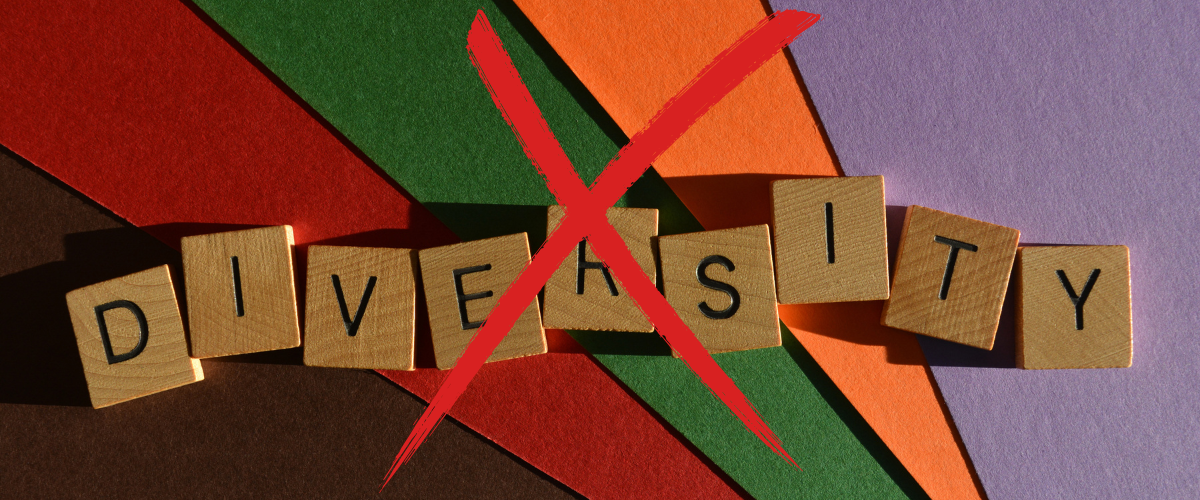
Leaders Need to Focus on Belonging Not DEI

Imagine a time in the future when everyone is included and has a real sense of belonging, no matter their race, colour, background, gender, socio-economic status, neuro-needs, or lifestyle preferences.


Where everyone feels like they belong. Belonging is the feeling of security we get when there is a sense of acceptance for individuals.


Imagine if there is no need for “women in the workplace” forums, specialist DEI teams, or targeted inclusion initiatives and quotas because everyone is included. A time in the future when everyone belongs.


There is acceptance, inclusion and identity for all groups and all people. People work together to create inclusive environments where everyone brings their own unique talent to benefit everyone – helping and supporting each other.


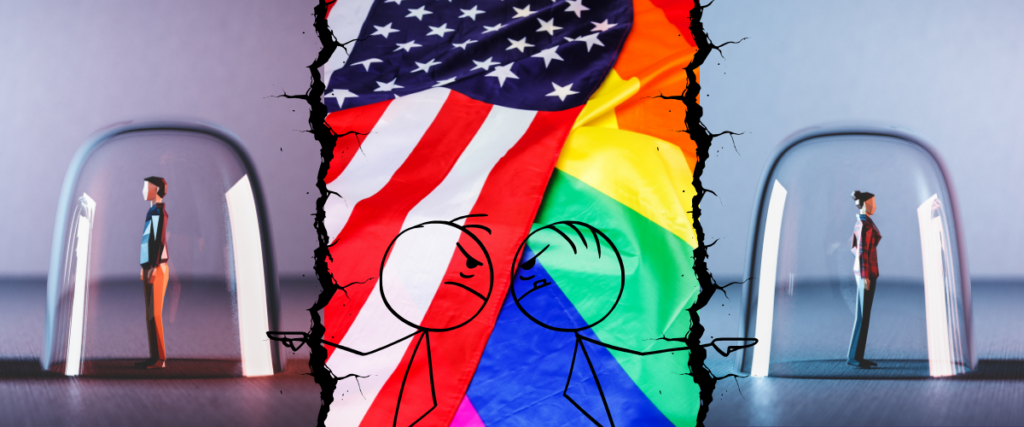
With the media frenzy over DEI currently led by Donald Trump, can this ever really be a reality?


Yes. Of course it can. It’s a choice.


The Power of Belonging

Think Organisation has long stood apart from delivering specific DEI initiatives, despite partnering with many amazing DEI-focused organisations, because we are about culture.


We are about the way things get done, not about promoting the voice of one group or segment. In our opinion and experience, all organisation’s need inclusive cultures to prosper and grow – and in some cases, just survive.


Belonging is a fundamental human need.


Extensive research has shown that when people feel included and valued, they are more motivated, committed, and productive. A culture of belonging fosters stronger relationships, reduces stress, and enhances collaboration.


When employees believe they are truly part of the organisation, they contribute more freely and take ownership of their work. However, this needs to be authentic.


Working at a big corporate, with a white male-dominated C-suite team, I remember attending an International Women’s Day celebration event twenty years ago. When I looked around, 99% of the people in that room were women – just as 99% of people in racial equality groups are from the global majority or other similar groups promoting ‘minority’ voices. It was at this point, I knew culture was the answer. Being able to listen to each other (and truly hear what people say) is what brings about real diversity, equity, and inclusion. So when did it all go wrong? And how can psychology help us move forward?


What is Psychological Safety?

No matter what your thoughts on recent announcements in the press, especially in the USA, we want to be clear. Our mission is to ensure people feel included where they work and live, and that every human has the right to be safe. In many cases, this is exactly what DEI initiatives were set up to change – historic, legacy assumptions and power imbalances that need to shift.


But the focus seems to have been lost.


When diversity (bringing variety into the workplace) became a focus, humans immediately centred on the extrinsic – visible artefacts of being diverse.


Do you remember the Not Every Disability is Visible campaign?


Diversity isn’t just about visible variety (e.g. skin colour or gender); it is about things we can’t see (e.g. neurodiversity or diversity of experience). And as many organisations found, simply creating what looked like a diverse board often did not lead to improved behaviours and performance. In fact, often conflict grew, and employee tenure reduced.


Psychological safety, a term popularised by Harvard professor Amy Edmondson, refers to an environment where individuals feel safe to speak up, take risks, and express their thoughts without fear of embarrassment or retaliation.


In workplaces with high psychological safety, people are more likely to share ideas, admit mistakes, and challenge the status quo – critical components of innovation and continuous improvement.


In contrast, a lack of psychological safety leads to silence, disengagement, and a fear-driven culture. When employees worry about being judged or penalised for their contributions, they withhold valuable insights, leading to stagnation and missed opportunities. This is extremely common when people are marginalise, not represented or have limited role models.


The future of work depends on innovation. Modern workplaces thrive on creativity, problem-solving and cultures where people can experiment, work together and share unconventional ideas. Organisations which foster a culture of open communication and risk-taking will be in a better positioned to adapt and innovate.


Diverse Perspectives Lead To Better Decision-Making

A singular viewpoint often lacks the depth, understanding and richness that multiple viewpoints can provide. But for voices to be heard, a culture of belonging is critical. Because this ensures diverse voices, multiple perspective and broad ranges of experiences are heard and understood.


Diverse boards lead to higher profits (Corporate Governance Institute, 2021) so in this fragile, uncertain world what can leaders do to create a culture of belonging across their teams?


  1. Encourage Open Dialogue: Foster a culture where employees feel comfortable expressing concerns and ideas without fear of retribution.
  2. Role-model Vulnerability: Leaders need to go their first in terms of the behaviours they expect from their teams, so being able to admit mistakes and seek feedback helps create psychological safety and set the tone across their teams.
  3. Recognise, Address & Embrace Biases: Whilst awareness training can often be the first step to help mitigate unconscious biases, this is not all that is required. Every human has biases, this helps us think effectively in many situations, but they can be detrimental to inclusion and belonging. Being able to ask questions, listen, listen, listen and seek to understand is crucial to embracing our own biases and idiosyncrasies’ so we can help everyone belong.
  4. Celebrate Contributions & Set Up Success: Leaders who set their teams up for success, with resources, support and direction grow psychologically safe cultures. Celebrating the success of individual contributions, appreciating employees for their own unique skills and perspectives promotes a safe culture where people feel like they belong.
  5. Create Safe Feedback & Performance Conversations: Leaders often avoid difficult conversations, because it is not something most people enjoy. However, leaders who are open to giving and receiving feedback, and step into difficult conversations in a professional, engaging and in open way create psychologically safe cultures.


DEI is Belonging

Despite the negative press, organisations jumping on the bandwagons of diversity in the last few days need to be mindful that the future of work is not just about technology, automation, or efficiency – it is about people.


People are the heart and mind’s of organisations. Employees behaviours, ways of working and approaches are what make organisations successful. This is what diversity and inclusion is about – creating workplaces where everyone is represented, included and feels psychologically safe.


By embedding these principles into workplace culture, businesses will not only thrive but also create environments where every individual can reach their full potential.


More about Change & Transformation

There’s more about Change & Transformation in this Think Organisation Post: How to Create a Fair & Inclusive Culture

Alternatively, copy and paste this link into your browser: https://cortex.clyq.co.uk/iwd-how-to-create-a-fair-inclusive-workplace/

Inclusion: Why Organisations Need to Stop Making Inclusion Exclusive

Levels of Inclusion

Inclusion is when someone, or something, feels or is part of a group. Inclusion can be a state, or an action.


Behaviour can promote inclusion, or promote exclusion. A culture of inclusion is when a group of people consistently behave in ways which ensure everyone feels valued and accepted. This can be at an organisational or team level.


An inclusive organisational culture ensures individuals thrive at work, no matter their background or circumstance.


Inclusion Feels Like

Think about when you have felt left out.


Has there been a time when you’ve been missed off a guest list?


Or a meeting which has happened which you wished you could attend?


The majority of people will have experienced being left out at some point in their lives. It is natural.


Research shows us how humans adopt the behaviour of those surrounding them. Humans often take on the beliefs, behaviours and attitudes of those surrounding them.


Humans survived in groups, those isolated did not. Hunters, gatherers and working as a collective team ensured survival. Humans are herd animals. This means even when people say ‘don’t worry about what others think’, we are challenging millennia of instincts because humans need to be part of a herd1. That is how we have survived.


Humans who were not part of the herd did not survive.


So Why Is Inclusion Exclusive?

Because birds of a feather flock together. Today there are hundreds of groups promoting inclusion, all for their own similar group. Whether it is race, gender, religion, neurodiversity, disability or any other protected characteristic, there is a prolific rise in community groups promoting inclusion. Each group fights for the rights of ‘their group’, but in doing so often excludes others.


The Equality & Human Rights Commission (EHRC) currently outlines nine protected characteristics across the UK, under the Equality Act 2010. However, in reality everyone is different and can belong to one or more groups which are protected. Hence, each movement should not be exclusive, which it so often is.


Imagine asking your boss if you can have time off to attend – Women in Work support groups, alongside Race Support groups AND LGBTQ groups – would they support this? And why do all these groups need to be separate?


In a truly inclusive culture, it should not be about which support group or working party you are a member of which transforms the way people behave.


Intersectionality

Intersectionality is a theoretical framework for understanding how various social identities such as race, gender, class, sexuality, disability, and others intersect and interact. This is what produces unique experiences of oppression and privilege.


Coined by Kimberlé Crenshaw in 1989, the term originally focused on how black women faced overlapping discriminations that were not adequately addressed by either feminist or anti-racist movements alone.


With over 8 billion brains in the world, each one different, each one neuro-unique – why have societies spent years trying to fit people into boxes? Because our brain would explode if we didn’t stereotype.


Stereotyping is how humans process, categorise, simplify and make sense in a complex world.


Decisions Impact Inclusion

Whilst making decisions based on stereotypes has received bad press in recent years, it is essential for human survival. This process allows us to make judgements on how we should react and respond quickly, which has often ensured human survival.


Think about a human living in a cave. This human meets someone who does not look like them, how do they know if this person is a friend or foe? The challenge is that times have changed, and these innate human processes are often outdated.


This is why everyone should learn psychology and gain insight and an understanding of how the human mind works. Humans’ natural instincts and evolutionary psychology play complex roles in aiding and hindering the pursuit of genuine inclusion in modern societies.


Inclusive Behaviour is Aided by….

  1. Innate Social Behaviour: Humans have evolved as social animals with a strong inclination to form communities and cooperate. This instinct promotes group cohesion and collective support, which can be harnessed to foster inclusive environments where individuals work together and support one another.
  2. Empathy and Altruism: Evolutionary psychology suggests that empathy and altruism are innate human traits. These traits can encourage individuals to understand and support the needs of others, promoting inclusive attitudes and behaviours.
  3. Group Survival: Historically, human survival depended on being part of a group. This instinct can be leveraged to create inclusive communities where everyone feels a sense of belonging and mutual support, recognising that diverse groups are often more innovative and resilient.

Inclusive Behaviour is Hindered By….

  1. In-group Bias: Evolution has equipped humans with a tendency to favour those who are similar to themselves (in-group) over those who are different (out-group). This bias can lead to exclusionary practices and discrimination against those who do not fit the perceived norm.
  2. Stereotyping: Stereotyping is a cognitive shortcut that helps humans quickly assess and respond to their environment. While it was useful for survival in ancestral environments, in modern societies, it can lead to prejudiced attitudes and behaviours, reinforcing exclusion and discrimination.
  3. Fear of the Unknown: Evolutionary psychology suggests that humans are wary of the unknown or unfamiliar, which historically helped avoid potential threats. In contemporary contexts, this can manifest as xenophobia or resistance to diversity, hindering efforts towards genuine inclusion.


In addition, human societies have evolved with hierarchical structures, often leading to dominance and power dynamics. These structures can perpetuate inequality and exclusion, as those in power may resist changes threatening their status or control.


Being able to understand this, and how the power networks interplay can help ensure real change can be delivered creating inclusive cultures for all.


Actions To Improve Inclusivity

Organisations can utilise the following strategies to overcome the hindering aspects of our instincts and leverage the aiding aspects, without the need for any exclusive support groups.


  1. Education and Awareness: Educating individuals about their innate biases and how to counteract them can promote more inclusive attitudes and behaviours. Awareness campaigns and training on diversity and inclusion can help mitigate the negative impacts of in-group bias and stereotyping.
  2. Promoting Empathy: Encouraging empathy through storytelling, exposure to diverse perspectives, and inclusive practices can help individuals connect with others and understand their experiences, fostering a more inclusive environment.
  3. Creating Inclusive Norms: Establishing social norms that value diversity and inclusion can counteract the exclusionary tendencies of our instincts. Organisations and communities can model and reinforce inclusive behaviours, making them the standard.
  4. Policy and Structural Changes: Implementing policies and structural changes that promote equity and inclusion can help mitigate the negative impacts of hierarchical and dominance behaviours. This includes anti-discrimination laws, equitable hiring practices, and inclusive organisational policies.


By understanding and addressing how our natural instincts and evolutionary psychology impact inclusion, organisations can pave the way for truly inclusive organisational cultures.


To measure the inclusivity of your culture or team please contact us – sam@cortex.clyq.co.uk.


Think Performance. Think Excellence. Think Impact.


Check our Insights page for more valuable information.

  1. Baumeister, R.F. & Leary, M.R. (2011).The need to belong: desire for interpersonal attachments as a fundamental human motivation. Psychological Bulletin,  117(3). https://pubmed.ncbi.nlm.nih.gov/7777651/ ↩︎

More about Motivation

There’s more about Motivation in this Think Organisation Post: 3 Ways Employee Behaviour can Impact Profit

Alternatively, copy and paste this link into your browser: https://cortex.clyq.co.uk/three-ways-employee-behaviour-can-impact-your-profit/
Are you ready to

start your joruney?

Take the first step to transform your workplace.

Call us on 07123 456 789
Email us at sarah@cortexworx.com

© Copyright Cortex Worx LTD. All rights reserved. | Website by Clyq