The Hidden Benefits of Leadership Away Days

Away Days provide a powerful opportunity for teams to step back from daily operations and focus on growth, alignment, and collaboration. Professionally facilitated sessions help define strategy, build accountability, and strengthen team cohesion while delivering both direct and indirect benefits.   From improved financial performance and strategic clarity to enhanced communication, morale, and innovation, Away Days foster a culture of trust and engagement. They also support leadership development, personal growth, and effective change management, making them a valuable investment in your people and your organisation’s future success.


As you make a decision to invest in professionally hosted Away Days, it’s worth thinking beyond the direct Return on Investment (ROI) and think about some of the more indirect benefits too.


Key Benefits of Away Days

The benefits of hosting a Away Days for your team are many, some examples to consider:


Strategic Focus and Alignment:

Stepping away from day-to-day operations allows the team to focus on the bigger picture, define objectives, and align on the company’s mission and strategic goals without distraction. Your team will leave with a clear plan, next steps and importantly, accountability and ownership. 


Better Financial Performance:

Studies show a direct link between effective leadership development programs and improved bottom-line financial results, including increased profitability and customer satisfaction.  Check this study from the Center for Creative Leadership to find out more.


Stronger Company Culture:

Effective leadership fosters a culture of collaboration, trust, support, and innovation, making the organisation a more attractive place to work. This contributes to reducing employee attrition, and makes you more likely to be an Employer of Choice. 


Professional Development:

Away days can be structured to include specific skill-building exercises or workshops, such as problem-solving challenges, or critical thinking problems. These help leaders develop their competencies and identify areas for growth. They also provide a platform for identifying and nurturing potential future leaders.


Improved Communication and Collaboration:

Away days facilitate face-to-face interaction in a relaxed setting, which is especially important for remote or hybrid teams. This helps break down departmental silos, encouraging employees to communicate more openly and naturally, leading to fewer misunderstandings and a more harmonious work environment back in the office.


Enhanced Morale and Motivation:

Removing employees from the stresses and demands of their everyday tasks for a day of engaging activities or focused discussion can significantly boost job satisfaction and loyalty. It shows that your company values employee well-being and is willing to invest in their positive experience, leading to a more energised and motivated workforce.


Personal Development:

Away Days can help leaders feel more confident when facing challenges, increasing their self-awareness. Participants learn to better understand their own strengths and weaknesses as leaders. In turn this can enhance skills like empathy, self-regulation, and social skills, which are critical for leading teams.


Stimulated Creativity and Innovation:

A change of scenery can spark fresh perspectives and “out-of-the-box” thinking that is often difficult to achieve in the regular workplace. Off-sites provide the necessary mental space for brainstorming new ideas, problem-solving, and exploring innovative approaches to current business challenges.


Stronger Team Bonding and Trust:

By engaging in shared experiences and challenges, team members can connect on a deeper, more personal level, fostering camaraderie and trust. This trust is vital for building a psychologically safe environment where team members feel comfortable giving and receiving honest feedback.


Leadership and Skill Development:

Away days can be designed with specific activities (e.g., problem-solving challenges, adventure sports) that allow employees to step into leadership roles, make decisions, and receive constructive feedback. This provides a platform for identifying and nurturing potential leaders within the organisation.


Increased Engagement and Motivation:

Investing time and resources in a leadership away day shows the team that their contributions and well-being are valued by the organisation. This can significantly boost morale, re-energise purpose, and renew motivation, leading to higher retention rates and a more engaged workforce.


Effective Change Management:

Our facilitated Away Days are an ideal time to discuss upcoming major shifts or challenges, allowing leaders to develop a unified response and effectively lead their teams through periods of change and uncertainty. 


Want to Know More?

Get in touch with us to discuss your how our facilitated Away Days can help your business. Email steph@cortex.clyq.co.uk to arrange a conversation. 


More about Away Days

There’s more about Away Days in this Think Organisation Post: Away Days for Strategic Alignment


Alternatively, copy and paste this link into your browser: https://cortex.clyq.co.uk/away-days-to-strengthen-strategic-alignment/

Unlocking ROI: How Strategic Away Days Can Drive Business Growth

Ensuring Value through ROI

We often get asked about return on investment for our programmes, Away Days included.


Anything you spend in your business needs to offer a return, whether it’s stock, services or people development. The investment in Away Days is multi-faceted, and there is often a cost and consequence of not doing them.


If you don’t invest in these days with your senior leaders, you are adding risk to your organisation too, by possibly not delivering on a strategy, not having a cohesive plan, and not building a robust collaborative working environment.


There are a number of key metrics you can consider when weighing up the benefits of hosting an away Day (or days). Some are quantifiable both before the event and some after, and some are less tangible.


Quantifiable Return on Investment (ROI)

 
Increased Productivity:

Research from the Harvard Business Review indicates a potential 26% increase in productivity among employees following offsite retreat and away days. Other data suggests teams can see 20-25% productivity gains.

 
Reduced Employee Turnover (Retention):

Employees who feel valued and connected are more likely to stay, directly reducing the significant costs associated with recruitment and training new staff. Companies with regular team activities report up to 50% lower staff turnover rates.

 
Faster Project Completion and Error Reduction:

Improved communication and collaboration can lead to 15-30% fewer project mistakes and up to 25% faster project completion rates.

 
Revenue Growth:

High-performing teams that engage in such activities have shown up to 27% higher revenue per employee.

 
Cost Savings:

Enhanced process efficiency and better communication can result in operational cost reductions.


Intangible Return on Investment

Two other commercial metrics which add sway to your decision will be Return on Experience (ROE) and Value on Investment (VOI).

Many critical outcomes of Away Days are not immediately financial but are vital for organisational health and can be linked to financial performance over time.

These benefits all contribute to a “Return on Experience” (ROE) or “Value on Investment” (VOI):

 
Stronger Team Cohesion and Trust:

The relaxed, informal setting allows for deeper personal connections, building trust and a psychologically safe environment crucial for open feedback and innovation. Trust can lead to 50% more productivity.

 
Enhanced Morale and Engagement:

Away days boost job satisfaction, motivation, and loyalty, which are proven drivers of productivity and profitability.

 
Stimulated Creativity and Innovation:

A change of scenery provides the necessary mental “headspace” for fresh perspectives and innovative problem-solving, which can lead to new product ideas and solutions.

 
Better Communication and Alignment:

Face-to-face interaction is significantly more effective than virtual, helping break down departmental silos and ensuring the entire leadership team is aligned on strategic goals.

 
Improved Employee Well-being:

Providing time for relaxation and rejuvenation reduces stress and burnout, leading to 74% less stress and 13% fewer sick days in high-trust organisations.


Summary – Value over Cost

Whilst the investment can be significant, professional facilitation provides immense value.


The contribution and support from Think Organisation brings an objective, external perspective and the expertise to navigate difficult conversations, ensure all voices are heard, and guide the team toward concrete, actionable outcomes. This prevents time-wasting and helps the organisation realise a strong return on investment (ROI) for the Away Days.

If you want to talk about how we can help deliver multiple benefits through our facilitated Away Days, drop a message to steph@cortex.clyq.co.uk to arrange a call.

Read More about Away Days

You can find out more about Think Organisation facilitated Away Days here : Away Days


There’s more about Strategic Alignment in this Think Organisation Post: Away Days for Strategic Alignment


Breakthrough Leadership Alignment Through Purposeful Away Days

Strengthening Executive Alignment Through Leadership Away Days

Away days offer a perfectly planned break from the daily work routine, providing a neutral, distraction-free environment that is highly beneficial for team dynamics, creativity, and strategic alignment.


The primary outcome we seek from our facilitated Away Days is to transform the insights gained during the day into concrete action plans and ensure rigorous follow-through back in the workplace. 


The most common reason we get invited to facilitate Away Days for our clients is to focus on strategic direction & alignment.


Frequently we hear statements from clients along the lines of:


  • “Our leadership team has conflicting priorities and a lack of clear accountability, resulting in misaligned goals and significant inefficiency”.
  • “We are experiencing a lack of strategic direction because leaders rarely discuss or chart a deliberate future path, or fail to communicate a coherent message about the strategy to all members of the organisation”.
  • “The team is struggling to adapt to market changes or a new company vision, and we need a dedicated space to align on our new mission and goals”.
  • “We need to explore new avenues for growth, but the daily operations prevent us from dedicating time to innovation and long-term strategic planning“. 


These can all occur after a new vision and strategy has been adopted, after a new leader has been appointed, after a merger or acquisition, or simply in the day to day “business as usual” – strategic misalignment is common, and frequently required an intervention to move a senior team in the right direction.

Client Overview – a Case Study of Away Days

We recently partnered with a UK-based manufacturing company, employing around 850 people across two sites. The business had grown rapidly, and although performance was strong, the executive team recognised emerging misalignment across functions and an increasing number of decision-making bottlenecks.


The Challenge

During our initial conversations with the CEO, it became clear that the leadership team—while highly capable—was facing several challenges:

  • Conflicting departmental priorities

  • Inconsistent communication between plant operations and head office

  • Slow or unclear decision-making processes

  • A sense that ownership for key performance targets wasn’t evenly shared

The CEO asked us to design and facilitate a focused Executive Away Day that would help the team step back, reset, and align around the next phase of their growth strategy.


Objectives

For all our Away Days, we work together, to understand the objectives, and we defined four priorities for the away day:

  1. Re-establish a shared understanding of the company’s strategic direction

  2. Build trust, connection, and alignment across the executive team

  3. Clarify how decisions should be made and who owns what

  4. Create a set of actionable leadership commitments to drive efficiency and effectiveness


Our Approach to Planning Away Days

To ensure the session addressed real issues – not just surface-level symptoms – we designed a practical, insight-driven process.


1. Pre-Work and Diagnostics

We began by conducting short, confidential interviews with each executive, followed by a review of cultural survey data, performance dashboards, and operational reports. This analysis led to valuable insight about the dynamics beneath the challenges.

It provided a clear picture of misalignment hotspots, communication gaps, and areas where decisions were stalling.


2. The Executive Away Day

The away day itself was structured to move the team from reflection to clarity to action.

Phase 1: Strategic Alignment Reset

We facilitated a collective review with the leadership team of the organisational priorities and then guided them in mapping where their individual and departmental focuses aligned or clashed. This surfaced several blind spots and opened up a productive discussion around expectations and clarity.

Phase 2: Leadership Dynamics & Decision-Making

Using a leadership simulation based on real operational challenges, we explored how the team communicated, made decisions, and navigated competing pressures. We introduced a simplified decision-making framework that the group immediately began applying to live issues.

Phase 3: Action Commitments

To ensure the day translated into real-world change, we guided the team through creating shared leadership commitments and a clear 90-day plan. Each commitment had defined ownership, milestones, and accountability built in from the start.


3. Follow-Up Support

Following the away day, we held two virtual check-ins at 30 and 60 days to maintain momentum and troubleshoot roadblocks. The CEO was also supported  in embedding new leadership behaviours and refining operational meeting effectiveness.


Outcomes

Within eight weeks, the organisation saw measurable improvements:

  • Executive alignment scores improved by 90%

  • Strategic decision-making time reduced from three weeks to five days

  • Clearer ownership across Operations and Commercial functions

  • Noticeable improvement in communication and cohesion across sites

The CEO later told us that the away day “reset the team in a way that regular meetings never could – we left with clarity, commitment, and genuine momentum.”


Away Days – Conclusion

This engagement demonstrated how a well-designed, well-facilitated away day can create a step-change in leadership performance. By combining strategic clarity, behavioural insight, and practical decision-making tools, we were able to strengthen alignment and accelerate operational effectiveness at a critical stage of the organisation’s growth.


Read more about our facilitated away days, or email steph@cortex.clyq.co.uk to discuss how this approach might work for you.


CLICK HERE

More about Change & Transformation

There’s more about Change & Transformation in this Think Organisation Post: Culture Alignment is Key To Make Work Really Work

Alternatively, copy and paste this link into your browser: https://cortex.clyq.co.uk/culture-alignment-is-key-to-make-work-really-work/

Can a Great Workshop Change Behaviour at Work?

In most organisations, change begins with a meeting, not a workshop.


It might be an idea, a frustration or someone coming up with a new way of doing things. It could be a directive from your boss. But things need to change, and often this starts with a meeting. A group of people talking about what needs to change, why and how it is going to happen.


This is why a workshop is a vital meeting.


In the last 30 years, no matter when any of the Think Organisation team lead or facilitated change, which actual meeting it started in can be very hard to identify. It can also be the seed which decides whether change is successful or unsuccessful.


Leaders talk about collaboration, resilience and great communication, but in the real world, real behaviour change doesn’t happen in the meeting room. It happens after the meeting. It happens in the way people behave when no one is watching, or the way in which people are driven. Real change happens when people experience something that reshapes how they think, feel, and relate to others.


In our opinion, a meeting is so often where people talk about work, but often little changes post meeting. In fact, from our extensive experience it is a professionally facilitated workshop, where people are empowered to actively solve problems and work together that real change, including behaviour changes can be sparked.


This is why workshops remain one of the most powerful tools for changing behaviour at work, especially when they blend science, creativity, and experience.


Even the name “workshop” highlights the importance of working with your hands to learn practical skills through doing. So the next time you are in a workshop at work – is it really a workshop? And will it really facilitate behaviour change?


Why Behaviour Change Needs Experience, Not Just Information

Traditional training often focuses on transferring knowledge: slides, models, frameworks. But the brain doesn’t change through knowing, the brain changes through doing.

Neuroscience shows that learning sticks when it engages multiple regions of the brain simultaneously. This includes the prefrontal cortex (thinking and planning), the limbic system (emotion and memory), and the motor cortex (movement and coordination). When we involve the body, we involve the whole brain.


That’s why creative, hands-on workshops, such as leatherwork, paracord weaving, building or woodcraft, can transform learning into something far more meaningful. They anchor abstract ideas in physical experience, helping people feel what collaboration, patience, or focus actually mean.


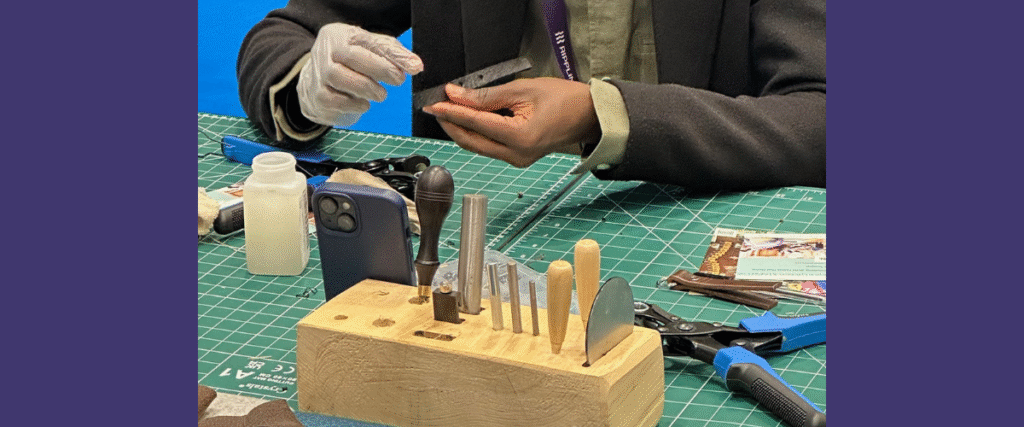
A person changing a piece of leather into a creative keyring


The Power of Working Together, Alone

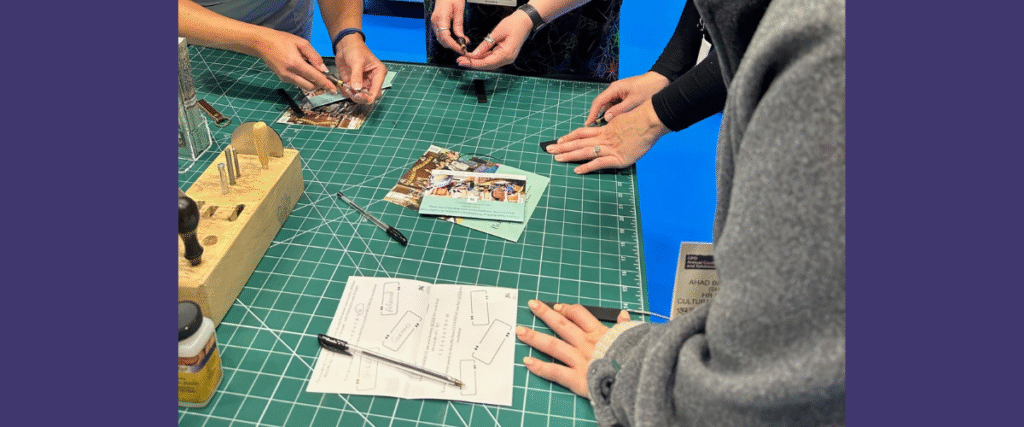
In group workshops, each person often works on their own creation. It may be a piece of leather, or a paracord bracelet, or a noticeboard. They are absorbed in their own process, yet surrounded by others doing the same.


This balance, working together, alone, activates a fascinating blend of brain activity.


The default mode network (DMN), responsible for self-reflection and creativity, comes online during solitary, mindful tasks. But at the same time, the social brain network remains engaged because of the shared environment. As humans we are subconsciously attuned to others’ presence, rhythm, and energy.


The result is a state of quiet connection. Individuals find focus and flow, while the group synchronises emotionally and cognitively, which is a phenomenon psychologists call interpersonal neural synchrony. This shared state builds trust, empathy, and belonging without a single “team-building” exercise in sight.


So no more awkward role plays where you just want the ground to swallow you up as your try to solve team communication challenges.


Why Hands-On Change Activities Work

Take leatherwork. It requires patience, precision, and acceptance of imperfection which are all qualities that mirror the emotional regulation and adaptability needed in leadership.


Or paracord weaving, this is a practical metaphor for resilience and connection. Each strand alone is weak. However, woven together, they form something far stronger.


As teams reflect on that process, the metaphor becomes tangible. As does the paracord bracelet they leave with at the end of the activity.


From a neuroscience perspective, such tactile activities release dopamine, reinforcing learning through pleasure, and oxytocin, deepening social connection. This blend of chemistry and cognition is the foundation for long-term behavioural change.


From Awareness to Action – Why Workshops Matter

Workshops that blend reflection, creativity, and science follow the natural stages of behavioural change:


    1. Awareness – understanding what needs to shift.
    2. Experimentation – trying new approaches in a safe, supported space.
    3. Commitment – translating insight into action back at work.


By engaging the senses, emotions, and intellect, creative workshops can help enable these changes to stick.


Think Organisation workshops don’t just tell people to change, they let them experience change in a way they want to do it again and again – because it feels positive.


As experts in culture, the Think Organisations team knows that culture doesn’t shift because of a strategy document. Culture shifts because people start to behave differently together.


This is why, for the last three decades we have created spaces where teams can explore, create, and connect. It might be lego, spaghetti bridges or something more tangible like leatherwork. Because, whether through conversation or craft, we ensure teams activate the very systems in the brain that underpin trust, learning, and collaboration.


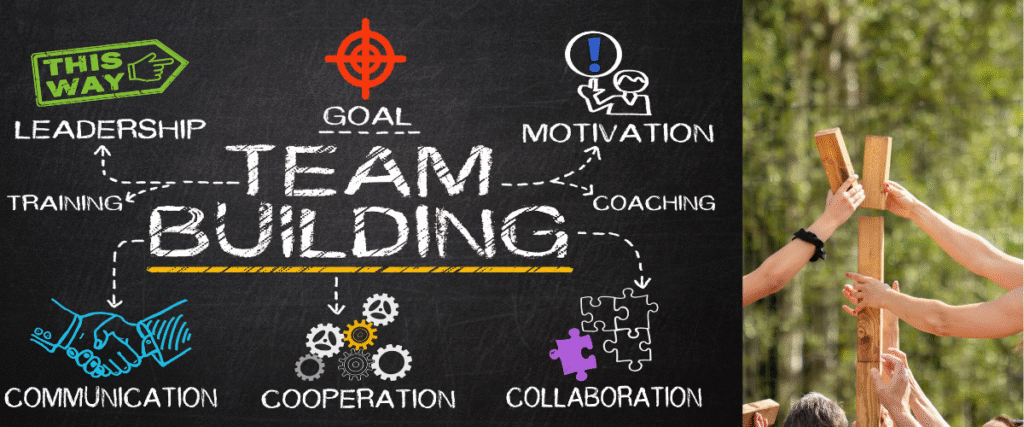
Team building helps create behaviour change


Workshops like these remind us that change isn’t always loud or linear. Sometimes, it begins quietly, in the rhythm of hands at work, the calm of focused attention, and the simple act of working together, alone.


Our Expert Change Takeaways Include:

    • Behaviour change begins with experience, not instruction. Because people remember what they feel and create more than what they are told.

    • Working together, alone creates a powerful neurological balance building both individual reflection and social connection, whilst providing opportunities to explore team dynamics

    • Hands-on activities like leatherwork and paracord weaving embody core leadership qualities: patience, precision, resilience, and collaboration. Everyone needs to be open to learn.

    • Emotional engagement and sensory learning drive dopamine and oxytocin release, both key ingredients for trust, motivation, and memory.

    • Culture is learned through doing. When teams experience new ways of working together, they carry those behaviours back into everyday life. It is much easier to liken how a team builds a flat pack ikea bookcase together and give feedback to each other than it is when it is a complex business problem, shrouded in emotion.


If you are ready to explore how creativity and neuroscience can unlock new ways of thinking, feeling, and leading then please join us.


🧠 Think Organisation partners with Semper Hopkins to design immersive, evidence-based workshops that help teams reconnect, refocus, and reimagine how they work together. We also work with travel agencies, outward bound and other immersive venues to provide innovative and suitable workshop experiences which deliver ROI for your organisation.


Learning how to craft and change leather using a skiver tool


📩 Book time with Sarah Clarke to explore how a bespoke workshop could help your team build stronger habits, deeper trust, and lasting behavioural change or read our package offerings with Semper Hopkins here.


More about Workplace Psychology

There’s more about Workplace Psychology in this Think Organisation Post: Using psychometrics is proven to add value to your business

Alternatively, copy and paste this link into your browser: https://cortex.clyq.co.uk/why-using-psychometrics-is-proven-to-add-value-to-your-business/

Think Better, Not Faster: The Science of Pausing for Innovation and Growth

In a world that celebrates productivity, it’s easy to mistake motion for progress. How often do you take a breath or pause at work? Innovation happens when we deliver something new and useful to our customers, organisation or even society as a whole. But with innovation constantly declining, how can pausing help us innovate faster?


Think about your average week at work. . . .meetings roll into more meetings, inboxes refill faster than they empty, and reflection feels like a rare luxury.


For psychologists, leaders, and anyone guiding people through change, there is a growing scientific evidence that pause, which is a deliberate, reflective space, is not wasted time. In fact, it is this time to think which is the birthplace of creativity, clarity, and sustainable innovation (Kline, 1999).


When Doing Less Creates More

The paradox of creativity is that our best ideas often emerge when we stop trying to have them. Stepping away from active problem-solving allows the mind to reorganise information, draw unexpected connections, and reveal insights that relentless focus can obscure.


Pause Button


Scientists refer to this as incubation. It is a recognised stage in the creative process first described by Graham Wallas in 1926 and now well supported by neuroscience research.


During incubation, the brain quietly continues to process information beneath our awareness, in our subconscious. It explains why solutions appear in the shower, or clarity strikes whilst we are on a quiet walk. We may not look like we are doing anything. However, this does not mean we have stopped thinking. In fact, it is because we’ve stopped forcing ourselves to think, that we allow our brains to really think.


Ask yourself, where am I when I have my best ideas? For some it may be on walks, for others in the bath, the shower or even in the gym. Giving our brains time to pause and think, deeply and subconsciously, is crucial. Yet why do organisations seem to promote motion for progress?


Tomorrow, many HR leaders, people experts and inspiring leaders and experts will be descending on the CIPD Conference 2025, aptly focusing on championing people to transform work. Our Co-Founder, Sarah Clarke, is supporting the Semper Hopkins team to deliver 6 interactive sessions we call the Creative Pause in the Relax & Rewind area of the conference but this is about anything but relaxing and rewinding. This is about helping people use the power of their brain to become more innovative, more productive and improve their own, and others, well-being through creativity and allowing time to think.


The Neuroscience Behind the Creative Pause

Our Co-Founder undertook extensive research which transformed her misconceptions and understanding of creativity whilst completing her MSc dissertation. One element is that creativity is not down to a single area of the brain. Current research shows there is not a single “creative region” of the brain that sparks ideas, but it is the interaction between three key networks which drives creative thoughts in our brains. These are referred to as:


  • The Default Mode Network (DMN), which is active when we daydream or reflect inwardly, responsible for imagination and association thoughts.
  • The Executive Control Network (ECN) which is active during focused problem-solving, analysis, and decision-making.
  • The Salience Network (SN) which acts as a switch, guiding attention between inner reflection and external focus.


Based on studies by Beaty and colleagues (2015 & 2019) research shows that creativity depends on how fluidly we move between these networks. It was based on this research that the creative pause sessions were first designed. Because, focusing on something else, allowing our brain to be creative helps allow this shift.


Fuelling and releasing the brain from the narrow beam of focused attention and enabling it to diffuse and move to more associative thinking that can, and often, fuels originality of thought.


In other words, pausing isn’t doing nothing. It is allowing your brain to do what it does best: integrate, imagine, and make connections. Many of which you will be unaware of, that is until the idea or solution pops into your conscious thought.


During her research, our Co-Founder’s supervisor was Dr Mark Batey, an innovation and creativity guru who worked at the University of Manchester. His seminal research highlighted that creativity doesn’t exist in isolation. In fact, it can operate across four levels. The person, the process, the environment (refereed to as the press) and the product. These levels interact, which makes measuring creativity so difficult as it is vital to decide which lens is being used (Batey, 2012).


This heuristic model focused on the following elements:


  • The person brings motivation, mindset, and self-belief.
  • The process involves divergent (idea-generating) and convergent (idea-selecting) thinking.
  • The press, or environment, either nurtures or constrains creative behaviour and innovation.
  • The product is what emerges, this can be tangible innovation or a new understanding.


Based on this, the suite of Creative Performance workshops were designed. In addition, our creative pause sessions touch on all four levels within an hour.


Join us to allow yourself time to reconnect with the person, understanding your intrinsic motivations, where we will support you in the process of reflection, and help you understand the elements of the pressures which impeded or fuel creativity and innovation.


As Batey notes, creativity thrives when people feel psychologically safe, valued, and given permission to think differently. The pause, therefore, is as cultural as it is cognitive. How often do you pause to think in your work?


Why Psychologists and Leaders Should Model the Pause

Psychologists and leaders are often at the centre of complexity. That is certainly how the Think Organisation team operate. Every week we are helping teams adapt, shifting cultures, and navigating uncertainties with the businesses we support. Yet constant responsiveness can come at a cost.


Pause


When we don’t pause, we lose access to deeper intuition, empathy, and perspective. These are the very capacities that make us effective in human systems. That’s why some of our great thoughts come whilst we are on holiday, well away from the office and constant motion of being at work.


So how can leaders embed creative pauses into their organisational and team cultures?


Embedding pauses into professional and organisational practice isn’t indulgent; it is strategic.


Research shows that reflective time improves problem-solving, boosts wellbeing, and enhances collective learning.


In cultures that reward speed, modelling stillness is an act of ultimate leadership.


Designing the Pause Into Organisational Life

To make the creative pause part of daily practice, Think Organisation recommends small, intentional shifts:


  • Micro-pauses: Take 5–10 minutes before key decisions or during meetings to ask, What assumptions are we holding? What might we be missing? A quick walk to gain some fresh air is often all the time that is needed.
  • Reflection rounds: Begin or end meetings with space for sense-making rather than updates.
  • Thinking time: Schedule undisturbed blocks in calendars and protect them as fiercely as client time. If these are the first elements of time to be sacrificed what does this say about your commitment to innovation?
  • Creative spaces: Build environments that signal reflection is valued in your organisations. Areas such as quiet zones, promoting walking meetings, off-site thinking days or booking creative performance workshops all empower employees to be more creative.
  • Model curiosity: Leaders who share their reflective practices give permission for others to pause too.


We know it is difficult, which is why at Think Organisation, we work with leaders who understand that the future of performance is not about doing more, but about thinking better.


Whether you need an ICF accredited executive coach, leadership development or an organisational culture review. The science is clear: creativity, innovation, and resilience all depend on our ability to pause, to step back, connect ideas, and reimagine what’s possible.


So, next time you feel the urge to rush from one task to another, take a breath.


The most important thing you could do might not be the next thing, it might be the pause before it.


Reach out to the Think Organisation for more support. More information about our Creative Performance Workshops can be found here or for your own bespoke onsite solution, reach out.


References

More about Innovation

There’s more about Innovation in this Think Organisation Post: How to Create a Culture of Innovation

Alternatively, copy and paste this link into your browser: https://cortex.clyq.co.uk/how-to-create-a-culture-of-innovation/

Toxic Culture : Behaviour Is At The Heart of Scandal & Failure

The news is full of stories about toxic culture. Toxic cultures have contributed to financial collapses, personal scandals and reputational downfalls. From politics to business to public institutions, the number of examples seems to be growing exponentially.


Whether it is politicians abusing power, corporate leaders chasing profit at all costs or charities losing the trust of the very communities they serve, culture is the term many would use to describe the cause of the crisis. But does this description add value?


Does Culture Eat Strategy for Breakfast?

It’s often said that “culture eats strategy for breakfast” but is this really true? Despite the endless discussions of whether Peter Drucker actually said this, or if he did has it been interpreted how he intended? It is a prime example of the impact culture can have on how information is interpreted.


A bold plan, a strong financial model, or even the most talented leadership team cannot survive long in the shadow of a toxic workplace culture. If behaviours are unchecked, if voices are silenced, and if the pursuit of short-term gains overrides long-term purpose, failure is only a matter of time. How visible this is internally versus externally is also on the clock in terms of exposure, that and the investment in a good marketing team.


So What Are The Warning Signs of a Toxic Culture?

Toxicity rarely happens overnight. And we have yet to meet a leader who deliberately designed a toxic culture.


It creeps in slowly, often disguised as “high performance” or “efficiency” and is often an indirect result of misaligned goals, metrics or increasing pressure being place on people.


Warning signs can include:


    • Fear & Silence – where employees stop raising concerns or ideas, and conversations become hidden or none existent.

    • A Hero Culture – where success become tied to specific individuals, as opposed to teams

    • Blame Becomes A Game – mistakes become hidden, or deflected, and people are worried about what others think

    • Misaligned Values – values may not exist or be stated, or if they are then which is said publicly doesn’t match daily behaviours

    • Wellbeing Washing – pressure, burnout and high staff churn could be seen as ‘normal’ and wellbeing isn’t a priority


This list is not exhaustive, and often toxic cultures can look positive on the outside, but not truly live and breath these behaviours in reality. When these behaviours become embedded, accountability disappears and poor decisions are rationalised, hidden or just become part of the expectations.


The cost of a toxic culture can be huge, both in terms of negative PR and brand image, and the lost employee productivity. Because a toxic culture doesn’t just damage staff morale, it destroys value.


A toxic culture leads to higher turnover, spiralling sickness costs, disengagement, customer mistrust, regulatory fines, and, ultimately, reputational collapse.


For leaders, ignoring cultural red flags is no longer an option. Regulators, investors, and the public are scrutinising culture like never before and the pressure is mounting.


So How Do We Build Healthy & Resilient Cultures?

The good news is that cultures can always be shifted. Sometimes quickly, other times more slowly. This can be done by leaders who take tangible steps to rebuild trust and create healthy workplaces where people – and businesses – thrive.


Key actions often include:


1. Starting with a purpose – because it is vital to reconnect everyone to the “why” behind the organisation

2. Modelling the behaviour you expect – people follow people, and this is where leadership authenticity sets the tone

3. Create psychological safety – encourage employees to speak up, be open to feedback and understanding reality

4. Listen and act on feedback – show that raising concerns leads to change, don’t penalise people for being honest

5. Measure what matters – track engagement, wellbeing, trust and psychological safety alongside financial metrics

6. Recognise and reward the right behaviours – culture is reinforced by what is celebrated and promoted


Whilst toxic cultures may dominate many headlines currently they don’t have to dominate workplaces.


Organisations that choose to prioritise culture alongside performance will not only avoid the scandals we see in the news, but they will also build stronger, more resilient businesses where people genuinely want to contribute and grow and bottom lines benefit.


If you would like to measure your culture please reach out.

More about Culture

   
There’s more about Culture in this Think Organisation Post: Conscious Competence

Alternatively, copy and paste this link into your browser: https://cortex.clyq.co.uk/how-to-use-the-four-stages-of-conscious-competence-to-improve-your-culture/

Forming, Storming, Norming & Performing

With countless books, articles, podcasts, and videos on “how to be a great leader,” it can be hard to know where to begin. How do leaders create high performing teams? Especially when the first real experience of leadership comes from bringing people together to perform as a team with little support or preparation.


Leadership is often described in terms of vision, strategy, and execution. But beneath these visible levers lies a quieter, equally powerful driver of success: team psychology.


Which reminded us of one timeless framework which continues to resonate for its simplicity and relevance: Bruce Tuckman’s Model of Team Development.


First proposed in 1965, this Stages of Team Development model describes, how teams move through different stages as they evolve: forming, storming, norming, and performing.


Much of this stems from the human behaviours and how we as individuals behave in groups when we know, or don’t know, others.


Think about your own experience. Whether it’s pulling together a team to run a community event or leading a global organisation, the way people feel, think, and behave often follows the same patterns. From our work as culture consultants, we see that while leaders are energised by the forming stage and eager to reach performing, it is usually the middle stage – storming – that decides whether a team stalls or thrives. And yet this is often the stage that leaders try to rush through, or bypass altogether. Both of which can cause more long-term damage to performance and success.


What Are The Stages of Tuckman’s Model?

Forming

This is the starting point for any new team. People are typically polite, cautious, and focused on working out roles, purpose, and boundaries. Teams can slip back into this stage when new members join, or when a new leader takes charge, creating sub-groups of people who know each other better than others.


Just last week, we worked with a team who believed they were already high performing. In reality, they were back in the forming stage: although they all knew one another, they had been assembled as a brand-new project team to deliver a cross-functional strategic initiative. Taking the time to establish the foundations of a forming team was critical to setting them up for future success.


Storming

Teams often revisit this stage multiple times throughout their lifecycle. It’s when tensions rise and differences in styles, opinions, and expectations become more visible.


While it can feel uncomfortable, storming is a vital part of growth. A client we worked with last week was experiencing intense storming, largely because they had skipped over the forming stage.


Ground rules, roles, and ways of working hadn’t been properly established, so conflict was surfacing. Storming often escalates when the first tight deadlines loom or external pressures start to mount.


Norming

At this stage, the team begins to find its rhythm. Roles and responsibilities become clearer, ground rules are in place, and trust starts to grow.


People feel more comfortable sharing ideas and giving feedback, and collaboration improves as conflicts are worked through.


A client we supported recently reached norming after a difficult storming phase; once they agreed on how decisions would be made and clarified ownership of tasks, the atmosphere shifted noticeably. Energy that was previously tied up in tensions which with our support was released into problem-solving and progress.


Performing

This is the stage every team aspires to reach.


Trust is high, roles are clear, and collaboration flows with ease. The team is focused on delivering outcomes rather than managing tensions, and individuals feel confident taking initiative because they know they have each other’s support.


We recently worked with a leadership team who had reached performing: meetings were solution-focused, responsibilities were owned without reminders, and innovation was encouraged. The level of psychological safety was high because with strong foundations in place, everyone’s energy could be channelled into achieving results rather than navigating process or conflict.


At this stage the team operates at a high level of trust and autonomy, delivering results with energy and cohesion and overcoming challenges together.


Adjourning (Or Mourning)

Whilst not technically included in the original model this is a vital stage for many where any high-performing team needs to celebrate success.


This stage, describes when the team comes to the end of its journey and morphs into new teams or ceases to exist all together e.g. during a restructure or when a project has been delivered. With the project complete, objectives met, people begin to move on to new roles or responsibilities.


While there can be a sense of pride in what’s been achieved, there is often a feeling of loss too, especially when strong bonds have formed over the duration of the team.


We recently worked with a project team who, after successfully delivering a major transformation programme, felt a mix of celebration and sadness as they disbanded.


Recognising this emotional aspect is vital and important, yet it’s often overlooked by many leaders who move on to the next task or project. In our experience, leaders who take time to reflect on successes, celebrate contributions, and formally close the team, will create a positive ending that strengthens motivation for future work and success.


Tuckman’s model reminds us that high-performing teams don’t appear overnight – they are built through a process which is often messy and complicated.


Storming isn’t a setback; it is a sign that people care enough to challenge and engage and can be a critical stage of any successful teams development journey. Leaders who lean into this stage with openness, clarity, and empathy give their teams the best chance of reaching true performance.


Below are some insights to help leaders embrace and lead through each of the stages:


Forming: Build the Foundations

At this stage many leaders feel a mixture of excitement, optimism and a sprinkling of worry at the scale of the tasks ahead.


Setting the tone and leaning into these emotions and feeling can help build strong foundations as well as:


  • Setting a clear purpose, vision, and objectives from the start with the teams buy-in
  • Facilitating meaningful introductions that highlight each person’s strengths
  • Establishing mutually agreed ground rules and ways of working together
  • Leading from the front by encouraging questions, clarifying expectations and helping to embrace uncertainty
  • Creating early opportunities for quick wins to build confidence and make an impact


Storming: Support & Navigate Conflicts

At this stage many leaders feel extremely uncomfortable as it is human instinct to try to reduce or avoid conflict. However, knowing as a leader that guiding people through this stage will ensure everyone comes out stronger is crucial.


This can include:


  • Normalising conflict as part of growth and naming it when it appears
  • Stepping in early to mediate tensions, supporting individuals to voice concerns and reducing risks of escalation
  • Reframing disagreements around shared goals instead of personal differences is a crucial skill
  • Role modelling calm and respectful dialogue, and inviting multiple perspectives is invaluable so everyone is heard
  • At times clarifying or revisiting roles, responsibilities, and decision-making processes can help deliver improvements


Norming: Strengthen & Facilitate Collaboration

Many leaders feel relief as this stage is entered, and can at times step away too quickly leading to regression back into storming.


This stage is about encouraging the shoots of trust which may be building, supporting the team members to continue to collaborate whilst remaining true to the purpose of the team.


Actions leaders can take include:

  • Reinforce agreed norms and recognise behaviours that support them day to day
  • Encourage peer-to-peer feedback and shared accountability
  • Facilitate team-building activities to deepen trust and continue progress
  • Involve the team in problem-solving rather than providing all the answers
  • Celebrate progress and highlight examples of effective collaboration


Performing: Enable & Empower Autonomy

At this point it can feel like “my job as leader here is done”, but whilst there is an opportunity to step back this is not the time to step away completely as often curveballs mean the team need to know you are there as a leader.


The leaders role swaps top focus on removing obstacles for their team and steps which can help include:


  • Step back and allow the team to take ownership of delivery whilst being there is needed
  • Empower individuals to make decisions within their remit and support these decisions
  • Focus on removing obstacles and securing resources for the team
  • Encourage innovation and calculated risk-taking ensuring any mistakes are learnt from
  • Continuously link the team’s work to wider organisational goals and impact


Adjourning/Mourning: Lead & Close with Purpose

Often leaders get pulled into a new team and find this stage one of the easiest to overlook or avoid. However, any great leader will be reflective with the team and celebrate successes and review learnings for everyone going forward.


This can include:


  • Take time to reflect on and celebrate the team’s achievements including individuals
  • Publicly acknowledge individual and collective contributions – externally and internally
  • Capture lessons learned to carry forward into future teams
  • Provide space to discuss the emotional side of ending together and alone
  • Ensure members transition smoothly into new roles or projects with the full support of their old team members


Next Steps

As you can see, and will have experienced, every team will pass through these stages in their own way, sometimes moving forward quickly and other times circling back when new challenges or changes arise.


The role of a leader is not to rush the process, but to recognise where the team is and provide the right support at the right time.


By setting strong foundations in forming, leaning into conflict during storming, reinforcing collaboration in norming, empowering in performing, and closing well in adjourning, leaders can guide their teams through the full journey. Thus turning groups of individuals into cohesive, high-performing teams that deliver lasting impact across organisations.
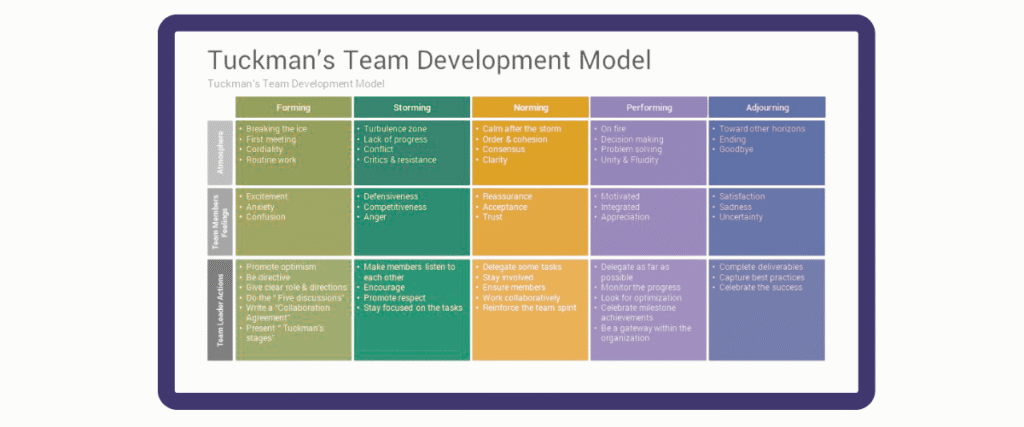
 

Forming, Storming, Norming Model

More about Leadership

There’s more about Leadership in this Think Organisation Post: Importance of Job Design for Leaders

Alternatively, copy and paste this link into your browser: https://cortex.clyq.co.uk/the-importance-of-job-design-for-leaders-practical-tips-for-success

Is There One SUPER Leadership Model?

Is there a leadership model to help leaders and businesses ensure employees enjoy their jobs? As consultants specialising in culture, change and creating a better world for everyone, we often ask:


“What if we all truly enjoyed our jobs?”


The cost of work-related stress and burnout to the UK economy is staggering – £28 billion every year (Axa, 2023).


Just imagine the positive impact, not only on individual happiness, but also on the NHS and global productivity, if we won the never-ending battle leaders face. The other week someone ask us, as they do frequently:


“Is there one go-to leadership or culture model you’d recommend? Or a single book that holds the answer to how we improve things?”


No. The answer is most definitely no.


No. No. No. No. No.


And yet asking the question in itself gives us huge helpful insight into the mind of the client, or any amazing leader asking such a question.


Because many aspiring leaders have read hundreds of books, watched countless videos and are still looking for the ‘magic pill’ or the ‘needle in the haystack’. But this is where we help, by giving you the expertise you need, at the time you need it most.


Whilst there is no ‘one’ super model the first thing we always start with is:


“What problem are we trying to solve?”


Baked into this question, is also the question of what perspective do I want to look at this from? What will success look like?


Success could look differently from different perspectives. Is it from the employee, the organisation, you the leader, the team or even an outsider investor or competitor perspective?


Different models help you understand different perspectives and every perspective is vital and provides more information. That said, information needs to leads to a decision, confirmation, continuation or a change in strategy to add any real value.


Be wary of information paralysis which impacts many senior leadership teams leading organisations in a quandary about what next.


When we brainstormed, and went through our suite of models we’ve used during 30+ years of experience, we found a huge swathe of both practical and academic theories, research and models we can draw from.


Strategy Models

Strategy models such as SWOT Analysis, PESTLE Analysis, Porter’s Five Forces, the BCG Growth-Share Matrix, Blue Ocean Strategy, the Ansoff Matrix and the Balanced Scorecard. These all help organisations set direction, make competitive choices, and allocate resources effectively.


Leadership and Management Models

Leadership and management models including Transformational Leadership, Servant Leadership, Situational Leadership, Leader-Member Exchange (LMX), Goleman’s Emotional Intelligence Framework and Kotter’s 8-Step Change Model. These all provide frameworks for influencing people and guiding organisational direction.


Change Management Models

The book ‘My Iceberg Is Melting’ is one which really stands out in its ability to explain successful change (Kotter, 2006). But we also like change management models like ADKAR, Lewin’s Change Management Model, the McKinsey 7-S Framework, Bridges’ Transition Model and the Prosci Change Triangle (PCT). All designed to help support smooth transitions during times of change.


The challenge with any model is using it to enhance decision making, diverse thinking and ensure you have considered every aspect.


Organisational Culture Models

Of course, organisational culture models such as Schein’s Three Levels of Culture, Hofstede’s Cultural Dimensions, the Denison Organisational Culture Model, the Competing Values Framework and Trompenaars’ Seven Dimensions of Culture. Whilst these all help to shape values, norms, and behaviours across the workplace, all of these tend to be very basic so we have designed our own multi-faceted model for culture as it depends on the maturity of the organisation as well.


Employee Engagement and Motivation Models

Employee engagement and motivation models including the Gallup Q12 Engagement Model, the Job Characteristics Model, Maslow’s Hierarchy of Needs, Herzberg’s Two-Factor Theory and Self-Determination Theory. These all help leaders focus on boosting satisfaction, productivity and employee retention. But for all of them you need the basics right and there is no point rushing in with a job characteristics model when you haven’t met the basis levels of human needs.


Innovation & Growth Models

Another suite of models which have grown in popularity, initially in the tech sector, are innovation and growth models such as Design Thinking, Lean Startup, the Stage-Gate Innovation Model and Rogers’ Diffusion of Innovations. These all can be used to encourage adaptability, creativity and scalable success. However, many of these models have been used detrimentally in some industries so there are always risks associated with using models and these should be understood.


5 Why’s Model

Interestingly, one model which we didn’t even used to know was a model, but something we use frequently with our clients is the Five Whys.


One example of this was when leaders were frustrated with a company consistently missing deadlines to launch new product campaigns. A summary is below of how the root cause was identified, which is another name for this model.


  1. Why are product deadlines being missed?
    → Because product assets are not ready on time.
  2. Why are product assets not ready on time?
    → Because the design team receives briefs later than planned.
  3. Why does the design team receive briefs late?
    → Because the campaign plans are often finalised at the last minute.
  4. Why are campaign plans finalised at the last minute?
    → Because the approval process from senior management takes too long.
  5. Why does the approval process take too long?
    → Because there is no clear deadline for management feedback, and approvals often get delayed when executives are travelling or busy with other priorities.


This one is a brilliant example, as it was the leaders themselves causing the delays but this was resolved everyone spend much less time chasing and had more time to deliver.


This is a great tool to help diagnose what is the actual problem which needs to be solved? Are we looking at the symptoms? Or are we looking at the cause? Who has the power or control to provide the solution, or influence the solutions? It certainly wasn’t down to the Product Assistant who spent the majority of their job chasing managers for approval to be able to establish firm deadlines but once the issue was uncovered it was quickly resolved – improving work for everyone.


Next Steps

Join us for our next insight, where we explore a suite of 100 powerful models—many of which management or leadership consultants have never encountered, and that few (unless they’re psychologists or trained executive coaches) know how to apply effectively.


Post it notes lined up saying what is your why on a black and purple background.


How You Can Lead Successful AI Transformations

 Directors are facing a new wave of complex challenges as artificial intelligence (AI) reshapes business, governance and the future of work.


This demands fresh thinking, ethical oversight and sharper strategic judgement than ever before. But is your boardroom truly prepared? Do you have the right mix of skills and perspectives on your board to lead and govern a successful AI transformation?


With the number of AI companies in the UK increasing by 600% annually, twice as many as any other European country according to Forbes (2025), it is clear that AI is not just a technological shift, but a cultural one as well. As these companies grow, how things are done internally becomes just as critical as the technology itself, making organisational culture a defining, if frequently overlooked, factor in whether AI transformations succeed or fail.


This is where business psychologists play a crucial role. With specialist knowledge and rigorous in-depth training in human behaviour, cultural diagnostics and organisational design, workplace psychologists bring deep insight into the invisible forces shaping company performance. They have the skills, expertise and experience to see things which are often hidden or invisible to those inside organisations.


Workplace psychologists do this by reviewing structures, leadership behaviours, communication patterns and employee mindsets using proven, robust tools to help boards and executive teams ensure that their culture and design are fit for an AI-enabled future. If your business hasn’t had an organisational design review in the last couple of years now is the time, because 99% of organisations are designed based on the past – not the future.


An appropriately designed organisation, which does not necessarily mean redundancies (when done appropriately), can reduce risk of transformations failing to deliver goals, increase adoption likelihood and create the conditions where innovation and trust can thrive side by side – both critical to deliver AI transformational success.


To navigate these challenges effectively, directors must take proactive steps to strengthen their board’s readiness for AI.


1. Legal, Regulatory & Governance Requirements for AI

This begins with building digital and AI literacy at board level, ensuring that all members have a foundational understanding of the technologies they are overseeing. Boards must also establish robust AI governance and ethical frameworks to guide responsible development and deployment. Regular assessments of both AI-related risks and the organisation’s cultural readiness are essential to avoid blind spots.


The importance of ensuring diversity of thought and experience has never been more profound. Including diverse perspectives in AI discussions will improve decision-making and help surface unintended consequences, many of which have been highlighted in the media in recent years. Because, above all, boards must ensure that AI strategies align with the company’s broader purpose and stakeholder expectations, embedding trust and long-term value into every stage of the transformation.


Just as it is not the Finance Director’s sole responsibility for the finances of a board when the accounts are signed off, so true is the AI strategy not being sole responsibility of the CTO. All Directors need to be aware and understand the implications of forthcoming legislative requirements including but not limited to:


  • UK Government’s Pro-Innovation AI Regulatory Framework
  • UK AI Safety Institute
  • Data Protection Legislation
  • Equality Act 2010
  • EU AI Act


2. Ethical & Reputational Decision-Making

Ethical and reputational risk is a growing concern for boards navigating AI transformations. Many clients find themselves so focused on the AI they can easily lose focus on the purpose of the transformation. This can lead to opportunities for intentional or unintentional misuse. Algorithmic hiring or decision-making without transparency can quickly erode stakeholder trust.


One of the most dangerous aspects of AI is the invisibility of harm; errors or biases in automated systems often go unnoticed until significant damage has already occurred, particularly for vulnerable groups. In addition, there is increasing pressure on organisations to be seen as ethical AI adopters, which can lead to superficial gestures. Experts often referred to this as greenwashing or ethics-washing, without the backing of robust, meaningful governance and oversight processes. All of which fall under a directors duties.


3. Workforce & Employee Impact

AI transformation brings significant workforce and cultural implications that boards must carefully manage. One of the most immediate issues is job displacement anxiety, whether likely or not. Employees may fear that AI will replace their roles, leading to demotivation, resistance, or even active pushback against adoption efforts.


This concern is compounded by change fatigue, as AI is often layered on top of ongoing digital initiatives, placing additional strain on leadership and frontline teams already coping with constant transformation. This means that if not introduced with care, AI can also clash with existing organisational values, especially in people-focused cultures where it may be perceived as impersonal or overly data-driven.


A lack of visibility around AI-related changes can amplify the absence of psychological safety, particularly when there are empty reassurances that jobs are secure, can have a profound impact on workforce performance.


When employees are left in the dark about how AI will affect their roles, uncertainty and fear begin to take hold no matter what leadership assurances there are.


Without clear communication or involvement in the process, people may assume the worst, leading to anxiety, reduced engagement and a breakdown in trust. This sense of insecurity can stifle innovation, collaboration and morale, as individuals focus more on self-preservation than on performance or contribution.


Over time, even high-performing teams may begin to under-deliver, not because of a lack of skill or motivation, but due to a climate of fear and ambiguity growing. To avoid this, leaders must be proactive in providing clarity, involving employees in shaping the change, and creating a culture where people feel safe to ask questions, share concerns and contribute to the solutions.


4) AI In The Boardroom

Inside the boardroom, dynamics and biases can further complicate AI strategy. Risk appetite versus a rush to follow AI trends can lead boards to overestimate the benefits without fully assessing the scale and depth of the risks.


Generational and expertise divides may also emerge, with varying levels of digital fluency leading to unbalanced discussions or decision-making blind spots.


In some cases, strategic choices are driven more by fear of missing out (FOMO) than by sound governance. To navigate AI effectively, boards must foster open, informed dialogue and ensure cultural alignment both inside and outside the boardroom.


An effective risk governance strategy and framework, aligned to boardroom appetite is vital.


Conclusion

In conclusion, AI transformation is not just a technological evolution it is a strategic, cultural and human challenge that demands the full attention of boards. Directors must move beyond surface-level understanding to actively govern AI with confidence, ethics and foresight.


This includes addressing regulatory responsibilities, embedding trust through strong cultural foundations and ensuring workforce readiness in a time of uncertainty underpinned by values.


By drawing on specialist support, such as business psychologists and LLM experts, committing to thoughtful organisational design, boards can reduce risk, increase adoption and create the conditions for AI to deliver real, long-term value.


The future of AI is already here, but now it is up to boards to lead it well – at speed.


How To Maximise Your HR Budget & Deliver Goals

Every organisational budget will be feeling the challenge of having to make less into more as taxes and tariffs change. So what should leaders be doing? HR is fundamental to business success but so often is the fire-fighting team who deal with people issues when things go wrong. Instead, HR needs to be involved with the business strategy and feel empowered to be proactive. Ensuring issues are dealt with proactively not reactively.


It is a bit like focusing on the negative when you will make significantly more progress focusing on the positive, and on the strengths which people, teams and organisations already have. By leveraging existing strengths in times of challenge, organisations can become even more successful.


At this time of high pressure on businesses, where HR costs are increasing, now is the time to conduct an HR audit of your business and see where you can reinvest money on the things that matter. Make savings in areas which don’t drive the same value to your employees.


Here are five steps businesses can take to help strengthen their current HR budget:


1. Align HR Goals (and Budget) with Business Strategy

So often HR is missed out when it comes to business strategy and this is a fundamental mistake which never happens in successful sustainable organisations. After all, it is the people which deliver the business strategy and ensure it is a success. So having the right people, in the right place, at the right time with the right resources is crucial. Hence all HR goals need to be aligned with business strategy.


2. Design for Productivity

How an organisation is designed in terms of structures is crucial for productivity. So often businesses morph over time and never take stock of the actual design of the organisation. This means workforce planning is often not optimised and there is wasted people effort, which then leads to confusion and frustration. Have an organisation design review, to ensure all the productivity-enhancing skills and expertise in your organisation are maximised. Helping businesses get more out of existing costs. Ensuring hiring processes are cost effective, and deliver what the business needs ensures productivity can be maintained.


3. Maximise Employee Development

In times of cost cutting business so often cut development and training budgets which harms their productivity and leads to lost talent over time. Investing in high-impact development courses, or executive coaching, is crucial for employees to develop and improve which in turn helps stretch already tight budgets. Linked to HR goals and business strategy it is vital that all development and training delivers ROI. This can include details measures of learning outcomes back in the business to ensure organisations are seeing the change required for the training they invest in.


4. Support Effective Decision-Making

Often in times of turmoil, or cost cutting, organisations can make short term decisions which harm the future growth of organisations. This can lead to longer-term repercussions which then spiral out of control. Making decisions using data and practical insights from the experts, is fundamental to preventing this. A full review of HR metrics such as retention, engagement, absenteeism, promotion ratios, productivity, etc can help provide important insights into how the HR plan can align to the business strategy. HR predictive analytics can help model what could potentially happen which allows evidence based decisions to be made ensuring risk can be managed.


5. Measure what Matters

So often big ticket offers which look good for recruitment don’t always deliver ROI. It is vital to measure what matters when it comes to HR metrics. This ensures business goals are being achieved.

For example, asking how many employees used your EAP per month is really insightful when compared over time, and compared to the cost would single counselling add more benefit depending on the numbers?

It is vital that organisations review everything as a whole, not just in isolation. This is why measuring what matters, and not just what the others measure is crucial for long-term sustainable success.


If you would like a free consultation on how aligned your HR goals are to your business strategy then please reach out – sam@cortex.clyq.co.uk.


More about Change & Transformation

There’s more about Change & Transformation in this Think Organisation Post: Why The Most Successful CEOs Focus on Culture 

IWD: How To Create A Fair & Inclusive Workplace

At Think Organisation, we help leaders create inclusive workplaces for everyone, recognising that many groups (including women) continue to face marginalisation. We firmly believe, backed by years of evidence, that workplace culture should be fair, consistent, transparent, so that, most importantly – it is inclusive for all.

“Diversity: the art of thinking independently together.” – Malcolm Forbes

Does celebrating International Women’s Day (IWD) contribute to this journey? And what are the do’s and don’ts for organisations striving to build truly inclusive, award-winning cultures?


While IWD is intended to celebrate and advance gender equality, recent years have seen numerous well-intentioned but ultimately misguided campaigns that have undermined its purpose. The goal is to drive meaningful progress. But does anyone remember the red lips campaign from a few years ago? Or consider the image below: does it truly promote IWD in an inclusive way?


Half-dressed women with flowers . . . really?


Like the image above, there was the year when Google Doodle celebrated International Women’s Day (IWD) with flowers and soft pastels on its homepage – reinforcing traditional gender associations rather than highlighting women’s achievements or advocating for real change.


While these gestures may not have been intended to trivialise the challenges women face in the workplace and beyond, they serve as prime examples of how workplace equality cannot be achieved through symbolic gifts or temporary gestures.


What should organisations be doing?

A recent case highlights the reality behind many corporate IWD celebrations. A large organisation has just lost another exemplary female employee, just months after she returned from maternity leave. Despite public claims of supporting women (and plenty of cupcakes on IWD to demonstrate their “commitment”), the reality was starkly different.


If this organisation genuinely supported IWD, then:


  1. It wouldn’t have required her to return to full-time work just to be eligible for her bonus (as part-time employees weren’t entitled to any bonus ?).
  2. It would have been flexible in considering her request for adjusted working hours instead of hiding behind the “you only get one request per year” policy and rejecting it with “we don’t want to set a precedent.”
  3. It would have acknowledged her resignation, which clearly stated the reasons for leaving, and had a conversation about how they could have retained a talented employee in a way that worked for both parties.


As a result, this organisation has lost yet another highly skilled, dedicated professional due to outdated practices, rigid policies, and an inflexible working culture. What they claim to stand for is not reflected in reality, which is disheartening, especially as they are already promoting #IWD25 loudly declaring their inclusivity.


Now, let’s move beyond performative gestures and focus on the practical, science-based steps organisations must take to create genuinely inclusive workplaces.


Review Processes & Procedures

The situation above is not uncommon, and often, there is no single person to blame for communication breakdowns. Instead, multiple organisational shortcomings contribute to the loss of valuable talent. This is why regular, in-depth reviews of policies, procedures, and workplace practices are essential.


  • Conduct annual 360° reviews of policies and ways of working.
  • Gather honest feedback from employees, particularly those from underrepresented groups.
  • Identify barriers to inclusion and act to remove them.
  • Ensure end-to-end employee experiences are designed to be fair, consistent, and transparent.


Many organisations unintentionally implement processes that hinder performance and talent retention. The key is to challenge assumptions, check in with employees who may be at risk, and ensure policies align with the organisation’s stated values.


Embed Inclusion & Belonging in Organisational Values

Workplace processes, policies, and behaviours often stem from an organisation’s espoused values, which are the principles it claims to uphold. However, all too often, there is a disconnect between the values that are publicly promoted and the reality of workplace culture.


To bridge this gap, organisations must:


  • Clearly define what inclusion and belonging mean in practice, beyond just words.
  • Embed these principles into mission statements, policies, and leadership behaviours.
  • Commit to regular reviews to ensure inclusion efforts evolve over time.
  • Listen actively rather than making assumptions about employees’ needs.


True inclusion means going beyond statements and marketing campaigns because it requires ongoing action, accountability, and continuous cultural improvements.


Create Psychological Safety

Employees will only share their concerns if they feel safe to do so. If an organisation lacks psychological safety, people will stay silent, avoid speaking up, and conform to the majority view for fear of being dismissed, ridiculed, or penalised.


To foster a culture where diverse perspectives are welcomed and respected, leaders must:


  • Encourage open dialogue and constructive dissent.
  • Empower everyone to assume positive intent in workplace discussions.
  • Build an environment where employees feel safe to voice ideas, concerns, and challenges without fear of repercussions.


Without psychological safety, employees will not feel included, valued, or able to contribute fully. To measure your perception of psychological safety in your organisation for free please click here.


Empower the Employee Voice

It takes courage for employees to speak up, and the more they trust their organisation, the more likely they are to do so. Businesses need structured and meaningful ways to gather employee feedback, such as:


  • Surveys, focus groups, town halls, and 121 interviews.
  • Anonymous vs identifiable feedback mechanisms – using both helps to gain deeper cultural insights.


However, the biggest issue isn’t just collecting feedback, it is acting on the feedback.


Many organisations gather input but fail to take action, which can be deeply damaging. If an organisation isn’t prepared to act on feedback, it shouldn’t ask for it. If action can’t be taken, communicate why action can’t be taken, including what has been explored as potential solutions as transparency builds trust.


Inclusive organisations ensure diverse voices are heard and that celebrations, policies, and practices genuinely reflect all employees’ experiences – not just those of the majority. Having an empowered employee voice helps prevent culture-washing, which is common in many organisations currently.


Measure, Improve & Measure Again

A truly inclusive organisation relies on both quantitative and qualitative data to track progress. Without measurement, it’s impossible to understand whether inclusion initiatives are truly making an impact.


For instance, in the example above, if the company had analysed its employee retention data, it would have noticed that the percentage of women leaving within 18 months of maternity leave was significantly higher than the average.


However, because they weren’t asking the right questions, they missed this crucial warning sign.


Organisations need to:


  • Track progress against clear diversity and inclusion goals.
  • Measure real impact rather than inflating numbers to appear successful.
  • Be aware of hidden retention issues


Building a Truly Inclusive Culture

Ultimately, creating an inclusive workplace isn’t about one-off events, grand gestures, or marketing campaigns – it requires commitment, consistency, and ongoing effort.


Leaders play a crucial role in shaping workplace culture, and their values, motivations, and behaviours must actively role-model inclusion.


True inclusivity means ensuring that:


  • Policies, processes, and leadership behaviours align with real-world employee experiences.
  • Employees feel psychologically safe, heard, and empowered to voice their needs.
  • Continuous learning, feedback, and accountability drive long-term cultural change.


Celebrating International Women’s Day or any other diversity initiative should be more than a symbolic act – it should reflect an organisation’s ongoing, measurable commitment to inclusion and belonging.


It’s time to move beyond cupcakes and flowers and take meaningful action.


To review how inclusive your culture is, please reach out to sam@cortex.clyq.co.uk.


More about Change & Transformation

There’s more about Change & Transformation in this Think Organisation Post: Culture Alignment is Key To Make Work Really Work

Alternatively, copy and paste this link into your browser: https://cortex.clyq.co.uk/culture-alignment-is-key-to-make-work-really-work/

Practical Tips To Create A Speak Up Culture

Have you ever sat in a meeting feeling nervous about speaking? Maybe you are unsure about the comment or suggestion you want to make, or maybe you are concerned about how to start what you want to say in the melee of others voicing their ideas.


Whatever the reason, creating a culture where people can speak up, want to speak up, and get listened to when they do speak up is crucial to drive innovation, productivity and performance.


Psychological Safety

Psychological safety is a word which has been used much more in recent years related to workplaces, despite being huge in the academic world for many years before this.

Psychological Safety is the shared belief within a team or organisation that individuals can speak up, share ideas, ask questions, and admit mistakes without fear of humiliation, punishment, or negative repercussions.

Amy Edmondson, an eminent Harvard Professor, coined the term psychological safety after she found that high-performing teams foster an environment where people feel safe to take interpersonal risks e.g. challenging ideas, seeking help or admitting failures and mistakes. The key here, is if you are worried about speaking up in a meeting, it could be because you don’t feel psychologically safe, or it could be because you don’t have the communication tools, techniques, confidence or ability to voice your thoughts.


Have a think:


  • Do I feel trusted and respected in my organisation so that I can speak up without fear of negative repercussions?
  • Do we have a culture which promotes questions, queries, suggestions and challenge of ideas?
  • Does our culture allow people to admit and learn from mistakes, or do we have a blame culture?
  • Do team members assume positive intent and support each other?
  • Can every voice be heard, ensuring a truly inclusive culture, as opposed to just a select few being heard?

I

In regards to specific meetings, it can be challenging to break into the conversation at times. However, with the right approach, everyone can ensure their voice is heard.


Practical Tips

Our top practical tips are below:


  • Prepare in advance, know the agenda, the topics and do your research ahead of the meeting if unsure about anything.
  • Have a clear idea about your thoughts, questions and what you want to contribute before the meeting starts. This ensures your input is relevant.
  • Get involved in the conversation early, this can be just agreeing with someone speaking, voicing that it’s a good idea or showing you are truly listening to what they are saying. This ensures you are involved in the conversation and makes it more difficult for you to be sidelined.
  • Use your body language, as people who sit up straight, don’t hunch over, maintain eye contact and focus on their physical presence find this helps them speak with authority. Mirroring others’ behaviours, ensuring you physically engage, such as nodding in agreement or using your body to signal you want to say something can be extremely powerful.
  • When you do speak, focus on brevity and ensure relevance. To be concise, simple statements like ‘From my experience . . .’, ‘I have a question about . . .’ or ‘I would like to add’ can be powerful statements and ensure others find it easy to follow what you are saying.
  • At times, ask well-thought-out questions. Often a great question can provide the catalysts for a conversation to focus on areas which you may have seen being missed or overlooked. Questions are a great way to get involved, show you are listening and demonstrate how you are seeking to understand. Often, many other people in the room will wish they had asked the same question.
  • Use constructive challenge, especially if you disagree – it is important to be diplomatic to ensure people hear what you have to say. Phrases such as ‘Have we considered …’, ‘I see it slightly differently because . . . ‘, or ‘I am not sure, however . . .’ can help especially when said with a strong, steady tone.


As a leader it is vital that you create psychologically safe environments which help empower people to speak up.


Watching how people respond to each other, giving feedback and role modelling how to effectively listen and take on board other people’s ideas is crucial.


Even when you think ideas are not relevant, impractical or a waste of time it is important not to show this through your body language and your responses as if people see this they will stop speaking up, no matter how much you ask them to.


To understand the levels of psychological safety in your organisation use our free measure, or book a free 30-minute consultation to discuss in more detail.


More about Culture

There’s more about Culture in this Think Organisation Post: What Every Leader Needs to Know About Culture Consultants

Alternatively, copy and paste this link into your browser: https://cortex.clyq.co.uk/what-every-leader-needs-to-know-about-culture-consultants/

Leaders Need to Focus on Belonging Not DEI

Imagine a time in the future when everyone is included and has a real sense of belonging, no matter their race, colour, background, gender, socio-economic status, neuro-needs, or lifestyle preferences.


Where everyone feels like they belong. Belonging is the feeling of security we get when there is a sense of acceptance for individuals.


Imagine if there is no need for “women in the workplace” forums, specialist DEI teams, or targeted inclusion initiatives and quotas because everyone is included. A time in the future when everyone belongs.


There is acceptance, inclusion and identity for all groups and all people. People work together to create inclusive environments where everyone brings their own unique talent to benefit everyone – helping and supporting each other.


With the media frenzy over DEI currently led by Donald Trump, can this ever really be a reality?


Yes. Of course it can. It’s a choice.


The Power of Belonging

Think Organisation has long stood apart from delivering specific DEI initiatives, despite partnering with many amazing DEI-focused organisations, because we are about culture.


We are about the way things get done, not about promoting the voice of one group or segment. In our opinion and experience, all organisation’s need inclusive cultures to prosper and grow – and in some cases, just survive.


Belonging is a fundamental human need.


Extensive research has shown that when people feel included and valued, they are more motivated, committed, and productive. A culture of belonging fosters stronger relationships, reduces stress, and enhances collaboration.


When employees believe they are truly part of the organisation, they contribute more freely and take ownership of their work. However, this needs to be authentic.


Working at a big corporate, with a white male-dominated C-suite team, I remember attending an International Women’s Day celebration event twenty years ago. When I looked around, 99% of the people in that room were women – just as 99% of people in racial equality groups are from the global majority or other similar groups promoting ‘minority’ voices. It was at this point, I knew culture was the answer. Being able to listen to each other (and truly hear what people say) is what brings about real diversity, equity, and inclusion. So when did it all go wrong? And how can psychology help us move forward?


What is Psychological Safety?

No matter what your thoughts on recent announcements in the press, especially in the USA, we want to be clear. Our mission is to ensure people feel included where they work and live, and that every human has the right to be safe. In many cases, this is exactly what DEI initiatives were set up to change – historic, legacy assumptions and power imbalances that need to shift.


But the focus seems to have been lost.


When diversity (bringing variety into the workplace) became a focus, humans immediately centred on the extrinsic – visible artefacts of being diverse.


Do you remember the Not Every Disability is Visible campaign?


Diversity isn’t just about visible variety (e.g. skin colour or gender); it is about things we can’t see (e.g. neurodiversity or diversity of experience). And as many organisations found, simply creating what looked like a diverse board often did not lead to improved behaviours and performance. In fact, often conflict grew, and employee tenure reduced.


Psychological safety, a term popularised by Harvard professor Amy Edmondson, refers to an environment where individuals feel safe to speak up, take risks, and express their thoughts without fear of embarrassment or retaliation.


In workplaces with high psychological safety, people are more likely to share ideas, admit mistakes, and challenge the status quo – critical components of innovation and continuous improvement.


In contrast, a lack of psychological safety leads to silence, disengagement, and a fear-driven culture. When employees worry about being judged or penalised for their contributions, they withhold valuable insights, leading to stagnation and missed opportunities. This is extremely common when people are marginalise, not represented or have limited role models.


The future of work depends on innovation. Modern workplaces thrive on creativity, problem-solving and cultures where people can experiment, work together and share unconventional ideas. Organisations which foster a culture of open communication and risk-taking will be in a better positioned to adapt and innovate.


Diverse Perspectives Lead To Better Decision-Making

A singular viewpoint often lacks the depth, understanding and richness that multiple viewpoints can provide. But for voices to be heard, a culture of belonging is critical. Because this ensures diverse voices, multiple perspective and broad ranges of experiences are heard and understood.


Diverse boards lead to higher profits (Corporate Governance Institute, 2021) so in this fragile, uncertain world what can leaders do to create a culture of belonging across their teams?


  1. Encourage Open Dialogue: Foster a culture where employees feel comfortable expressing concerns and ideas without fear of retribution.
  2. Role-model Vulnerability: Leaders need to go their first in terms of the behaviours they expect from their teams, so being able to admit mistakes and seek feedback helps create psychological safety and set the tone across their teams.
  3. Recognise, Address & Embrace Biases: Whilst awareness training can often be the first step to help mitigate unconscious biases, this is not all that is required. Every human has biases, this helps us think effectively in many situations, but they can be detrimental to inclusion and belonging. Being able to ask questions, listen, listen, listen and seek to understand is crucial to embracing our own biases and idiosyncrasies’ so we can help everyone belong.
  4. Celebrate Contributions & Set Up Success: Leaders who set their teams up for success, with resources, support and direction grow psychologically safe cultures. Celebrating the success of individual contributions, appreciating employees for their own unique skills and perspectives promotes a safe culture where people feel like they belong.
  5. Create Safe Feedback & Performance Conversations: Leaders often avoid difficult conversations, because it is not something most people enjoy. However, leaders who are open to giving and receiving feedback, and step into difficult conversations in a professional, engaging and in open way create psychologically safe cultures.


DEI is Belonging

Despite the negative press, organisations jumping on the bandwagons of diversity in the last few days need to be mindful that the future of work is not just about technology, automation, or efficiency – it is about people.


People are the heart and mind’s of organisations. Employees behaviours, ways of working and approaches are what make organisations successful. This is what diversity and inclusion is about – creating workplaces where everyone is represented, included and feels psychologically safe.


By embedding these principles into workplace culture, businesses will not only thrive but also create environments where every individual can reach their full potential.


More about Change & Transformation

There’s more about Change & Transformation in this Think Organisation Post: How to Create a Fair & Inclusive Culture

Alternatively, copy and paste this link into your browser: https://cortex.clyq.co.uk/iwd-how-to-create-a-fair-inclusive-workplace/

Reflection: Psychology of Learning Proven To Improve Training ROI

Have you ever been forced to attend a training course you felt was a complete waste of time? Or worked with someone who simply wouldn’t listen? Have you ever reflected on something? Deliberately? So that in hindsight, if you’d been the one who could have listened more, the situation may have become crystal clear sooner? Learning the power of reflection can help with all these challenges.


As we face a new year, budgets are being slashed, recruitment strategies are in turmoil, and business leaders are grappling with mounting pressures.


With all these demands, it’s no surprise that workplace behaviour standards can start to decline. So, what can leaders do to make a difference? How often have you invested in training only to see no change in behaviours in the workplace?


Workplace training and development is at an all-time low. Last autumn, the Government announced plans to prioritise improving skills across the UK workforce. But how much training or development have you completed in the past month? More importantly, has it led to a change in your behaviour?


On average, only 28% of employees have participated in any training or development within the last three months. For those who are self-employed or work solo, this figure drops to just 13%1. In this challenging landscape, the power of reflection and fostering a culture of self-directed learning becomes even more vital. Here’s how understanding the psychology of learning can benefit you, your team, and your organisation.


Reflection involves absorbing information, asking deep and probing questions, and challenging your understanding of situations or events.


Cultivating a reflective mindset opens the door to learning, greater understanding, and seeing things from new perspectives. While reflection can feel uncomfortable at times, like any skill or competency, practice makes it easier – until it becomes a habit and second nature. When it does, considering how to improve, gain knowledge, or grow becomes an instinctive part of who you are.


The following model, designed by Michael Carroll (2010), outlines a simplified process of the stages people typically go through when reflecting. In reality, reflection isn’t always linear. Often people jump between stages or revisit earlier steps as their understanding evolves.


Reflection Steps designed by Micheal Carroll (2010). The Six steps include situation, behaviours, thoughts and emotions and information summaries on each of the six steps of reflection.


Think of an iceberg.


At first glance, you see the part above the waterline, and when we’re younger, we often assume that’s all there is. But through education, experience, and the knowledge we absorb, we come to realise that the bulk of the iceberg lies hidden beneath the surface. This concept underpins a model designed by Michael Carroll2.


Level 1: Zero Reflection

At this level, an individual is not open to feedback and often exhibits black-and-white thinking. There is a tendency to blame others, with no resources or energy devoted to reflection.


This stage frequently appears at the start of a coaching journey when issues that seem irrelevant (hidden beneath the iceberg’s surface) are neither acknowledged nor discussed. At this point, individuals focus entirely on others, without any introspection.


Level 2: Empathetic Reflection

Here, a person begins to establish an emotional connection with the situation or another individual. While they may feel empathy or understanding, there’s s no link to their own actions or behaviours. Instead, they remain detached, observing from the sidelines and often attributing blame externally.


Whilst, they may recognise other perspectives or alternatives they remain firmly in their own position. For a coach, this stage involves understanding the coachee’s situation without yet forming a deep connection to the events, experiences, or emotions involved.


Time plays a significant role here. It is a journey that ICF accredited coaches are trained in. Greater sharing of information can help progress reflection, but some individuals may become stuck, shutting down further exploration. This is where a coach can be invaluable.


Level 3: Relational Reflection

This stage marks a turning point, where the perspective shifts from “I” and “You” to “Us.” Individuals begin to understand the interplay between their personal history and that of others. It’s not just about the other person or the situation but about how both sides contribute to the dynamic.


For a coach, this is often the “lightbulb moment” when the coachee realises, “It’s not just them, it is about me too, it is about how we interact or my perception of the event.” This is where genuine reflection and understanding begin to take shape, though it cannot be rushed or forced. It is a process.


Level 4: Systemic Reflection

At this level, individuals recognise the influence of broader systems and sub-systems on their understanding and actions. They realise that everything (from perceptions and behaviours to thoughts, emotions, and even physical responses is interconnected). Reflection here delves into one’s past, including history, culture, and ancestry, examining how these shape current perceptions. However, there remains an invisible barrier.


This barrier is an incomplete acceptance of one’s role in events, leaving gaps between self, the situation, and others. Coaches play a crucial role in supporting individuals to safely and progressively move beyond this barrier.


Level 5: Self-Reflection

This stage brings a profound realisation: it’s about the self. The metaphor of the iceberg becomes clear. What lies beneath the surface often dwarfs the visible tip.


Rooted in a growth mindset, this level focuses on the individual’s ability to change and the transformative power of that change. It shifts from blaming others to acknowledging personal patterns, themes, and behaviours that influence interactions and experiences.


Unlike Level 1, where the focus is entirely on the self in a defensive way, this level centres on personal growth and accountability.


Level 6: Transcendent Reflection

Reaching this stage signifies a deep understanding of the connections between self, others, situations, and life as a whole.


Individuals, teams, and organisations at this level move beyond the immediate and surface-level to grasp the bigger picture of life. At this level individuals deliberately explore beneath the surface, uncovering insights they’ve never encountered before.


At this stage, they are ready to expand their understanding and transform, moving from where they are now to new, brighter possibilities.


Reflective Practice Delivers ROI in Training

This model provides a roadmap for reflection, however it does require individuals to be willing and open to the journey.


An expert coach can guide this process, often without explicitly outlining it to the coachee. However, high levels of psychological safety are critical for success, particularly when addressing culture or team dynamics.


This model was introduced through a practical (and fun!) icebreaker activity when working with a group of hesitant employees preparing for training. Over time, Think Organisation recorded a 20% average increase in post-training behavioural changes, as reported by line managers, when this model and icebreaker were used, compared to other solutions.


With European countries investing double the amount in training compared to the UK3, we must maximise the return on our investment. If you’d like to learn more, get in touch for a free 30-minute consultation.


To know more reach out for a free 30-minute consultation.

  1. Institute Fiscal Studies (2023). Read here ↩︎
  2. Michael Carroll, Six Steps of Self Reflection (2010). Read here . ↩︎
  3. Learning & Work Institute (2024). Read here ↩︎


More about Workplace Psychology

There’s more about Workplace Psychology in this Think Organisation Post: Drive Profits – How To Help People Be Humans at Work

Alternatively, copy and paste this link into your browser: https://cortex.clyq.co.uk/how-to-help-people-be-humans-at-work-to-drive-profits/

Why We Need to Celebrate Cyber Secure Culture

At Think Organisation, we understand that businesses need policies, procedures, processes, and rules to ensure work is delivered consistently and to a high standard. Being cyber secure is vital.


However, we also know that what a business says it does doesn’t always align with what it actually does. Many organisations proudly display awards for culture while struggling with high staff turnover and disengagement. That’s why aligning actions with values is critical, especially when it comes to cyber security.


In our opinion, and despite it being out of our comfort zone for businesses dedicated to building a strong organisational culture, safeguarding operations and data should be as much of a priority as nurturing people. With ever-rising cyber threats, achieving Cyber Essentials accreditation isn’t just a technical necessity—it’s a powerful demonstration of integrity, care, and responsibility.


Aligning Security with Integrity


As Culture Scientists, addressing difficult topics such as feedback or conflict comes naturally to us. Cyber security, on the other hand, is outside our natural expertise. Yet, we recognised that protecting our customers, employees, and community was essential. Currently, 80% of cyber attacks stem from basic, common methods. Ignoring this reality would undermine the trust our clients and partners place in us.


Achieving Cyber Essentials accreditation required stepping out of our comfort zone. We had to invest time and money, learn about areas we weren’t familiar with, and commit to change – all while managing hundreds of clients and growing our business. However, delaying action would have gone against our core values of integrity and excellence. Luckily we had the experts at Linten Technologies to help us make the process easier.


The Business Case for Being Cyber Secure


For organisations like ours, Cyber Essentials isn’t just about preventing attacks; it’s about reinforcing trust. By becoming certified, we:


  • Protect sensitive data and reduce vulnerabilities to common cyber threats.
  • Demonstrate our commitment to safeguarding our employees, clients, and community.
  • Enhance our reputation as a responsible and forward-thinking organisation.
  • Align our actions with our values, ensuring consistency between what we say and what we do.


Cyber Essentials is also a strategic business enabler. Certification is often a requirement for government contracts and partnership opportunities, opening doors that might otherwise remain closed.


A Testament to Commitment


The result? You can search for us and see our Cyber Essentials certificate, knowing that we are doing our utmost to provide a secure environment for everyone we work with. Achieving certification wasn’t easy, but it was necessary. By stepping outside our comfort zone and tackling something new, we’ve strengthened both our business and our commitment to our clients and employees.


For leaders, this is a reminder that protecting your organisation goes beyond traditional priorities. Cyber Essentials isn’t just about IT – it’s about values, trust, and long-term success.


If you need culture experts please reach out, if you need help with your cyber security we recommend Linten.


More about Innovation

There’s more about Innovation in this Think Organisation Post: Why Workplace Culture is More Important than AI


Alternatively, copy and paste this link into your browser: https://cortex.clyq.co.uk/why-workplace-culture-is-more-important-than-ai/

The Importance of Job Design for Leaders: Practical Tips for Success

Effective job design is a critical element for any leader aiming to enhance organisational performance and employee engagement. A well-designed job goes beyond creating a simple job description listing tasks and objectives to be achieved. It involves structuring tasks, responsibilities and systems in a way that aligns with organisational goals, supports employee well-being, and fosters growth.


When done well, job design can boost productivity, engagement, and innovation while reducing turnover and absenteeism. The Think Organisation explores why job design matters and provides practical steps for ensuring it is effective.


Why Job Design Matters

Job design is the foundation of an effective workforce. It defines the scope and boundaries of a role, sets expectations, and ensures alignment with strategic priorities.


A well-designed role provides clarity, autonomy, and opportunities for skill development. This feeds into a well designed organisation which fosters a sense of purpose and motivation among employees. Conversely, poorly designed roles can lead to confusion, stress, and disengagement, ultimately impacting organisational success.


Inclusivity and fairness is a legal requirement for job design. But more importantly, effective job design reduces barriers for diverse candidates and promotes a positive workplace culture. Employees who have clear pathways for growth and progression are more likely to remain in your organisation. This is essential for retaining top talent in today’s competitive job market.


Practical Tips for Effective Job Design

1. Align with Organisational Goals


Ensure the role is directly linked to the organisation’s strategic objectives, values, and priorities. Ask whether the objectives and responsibilities contribute to key performance indicators (KPIs) or broader organisational outcomes.


2. Provide Clarity


Define the responsibilities and objectives clearly, leaving no room for ambiguity. A well-crafted job design outlines the scope and boundaries of the role, ensuring employees understand what is expected of them.


3. Ensure Relevance

Regularly review and update job descriptions to reflect changes in the organisation or industry. Remove outdated tasks and incorporate any new responsibilities that align with evolving priorities.


4. Balance Skills Requirements


Specify the qualifications, technical skills, and interpersonal competencies needed for the role. Strike a balance between technical expertise and human skills to ensure the role is effective and engaging.


5. Foster Inclusivity


Use unbiased, inclusive language in job descriptions to ensure accessibility for diverse candidates. Avoid unnecessary requirements that could create barriers for individuals from different backgrounds.


6. Highlight Growth Opportunities


Include clear opportunities for skill development, career progression, or lateral movement within the organisation. Employees are more engaged when they see potential for growth in their roles.


7. Create Flexibility


Design roles with adaptability in mind, allowing for adjustments as organisational needs evolve. Flexibility ensures roles remain relevant and employees feel supported through change.


8. Build a Solid Foundation for Performance Reviews


A clear job design provides a framework for performance evaluations and development discussions. Use the description to set measurable expectations and track progress effectively.


9. Seek Feedback


Engage employees in discussions about their roles to identify areas for improvement. Feedback can highlight tasks or responsibilities that may be missing or need refinement.


10. Ensure Simplicity and Accessibility


Ensure the role is easily understood, even by someone unfamiliar with the organisation. A well-written job description captures the essence and purpose of the role in clear, concise terms.


Leading Job Design

For leaders, job design is a vital tool in building a productive, motivated, and engaged workforce. By aligning roles with organisational goals, providing clarity, fostering inclusivity, and offering opportunities for growth, leaders can create a culture which benefits both employees and the organisation. Job design is an evolving process, with employees crafting their own roles which they deliver. Regular reviews and employee feedback are crucial to ensure effective job design.


Job design is not a ‘one-off’ recruitment task. Job design evolves alongside business needs, it is fundamental in driving success.


Next time you are asked to rewrite a job description or get an advert out by the end of the week please follow these helpful tips as they are designed to help leaders maximise the potential of their workforce and create a thriving organisational culture which benefits all.


More about Leadership

There’s more about Leadership in this Think Organisation Post: What Can a Successful Leader Learn from Shoelaces
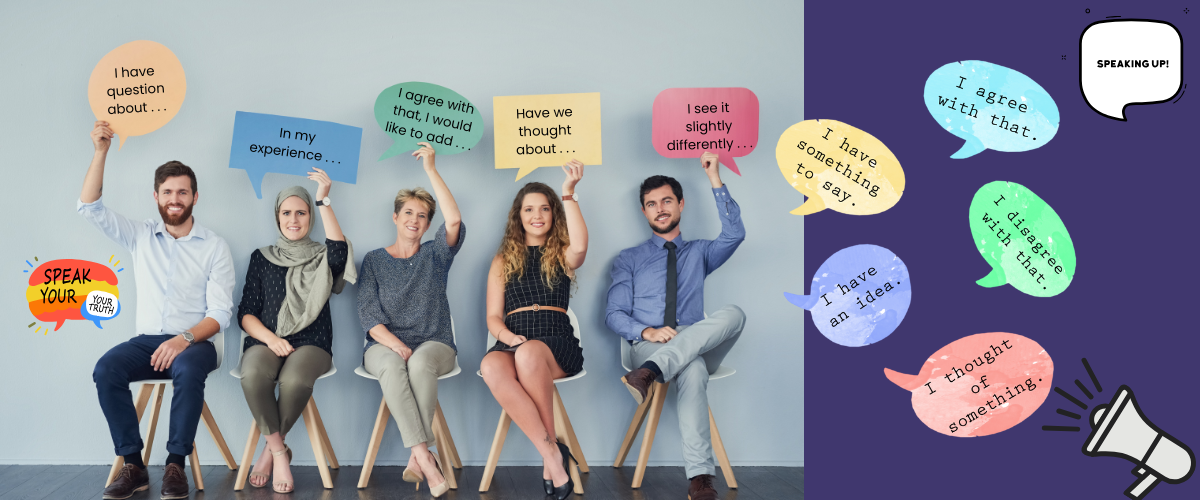
Alternatively, copy and paste this link into your browser: https://cortex.clyq.co.uk/what-can-a-successful-leader-learn-from-shoelaces/

Why All Leaders Need To Be Authentic

Having a boss, or superior who is authentic is something that people may take for granted. But is authenticity important and does it matter? Authenticity is the quality of being true, or real. In today’s social media frenzy, with Zoom meetings offering image filters to improve your appearance, is anyone really authentically themselves anymore?

One of our Co-Founders was asked to do a quick, five minute introduction to herself and our business. After some tech issues, a quick relocation and a reboot on her laptop she found herself sitting in her car answering a series of quick-fire questions. On one level, and probably in hindsight, maybe she should have delayed until she could be more ‘professional’ and have the right backdrop. But then on another, after spending the morning talking about the assumptions people make, there seemed little point. Wasn’t it better to be authentic and deliver the introduction as planned? Or would that be seen as unprofessional?

Twenty years ago, when the divides were clearer we all had a professional image. This term meant – how people perceived you at work. This combination of characteristics could come across as professional or unprofessional, depending on how you presented yourself. However, in reality what you are wouldn’t change. You would still have the same knowledge and expertise sitting at home, wrapped up in your oversized blanket, even though wearing this to the office may be considered ‘unprofessional’. But how does being professional and unprofessional relate to whether we are authentic?

To be professional, means you are skilled, experienced and competent in a particular activity. It means your image reflects this, so that people know (e.g., how you dress and behave) you know what you are doing and are good at doing it. So, just because someone may not turn up in the attire we expect them to wear this does not mean they are not highly skilled and competent. Ironically, when asked to imagine a successful professional, the vast majority of people still imagine a man in a suit. This in itself is a very non-inclusive image and based on a vast array of societal assumptions.

Many branding experts highlight that the point of a professional image is to increase trust between consumers and your business. By doing this, leads can increase, because people believe (rightly or wrongly) that you are professional. In that, you show capable skills and high levels of competency because you ‘look’ professional in their mind. The rise of social media has allowed many people to appear professional, or even unprofessional, in ways that never used to be available to us.

When you meet someone, generally it becomes clear whether they know what they are talking about, especially if you are an expert. But online, this perception can be managed and promoted. Think back to the five-minute video question introduction our Co-Founder did. If it had been in a huge office (as opposed to a car) with detailed slide deck, the chances are people may report a higher level of trust for our company. But in reality, the office space and backdrop would have had no material impact on the ability and competence of the team. Because (and I can assure you as I am said Co-Founder who is writing this article!) the knowledge and expertise haven’t changed of the people involved. In addition, for any potential clients reading this, the team at Think Organisation do not deliver workshops from our cars. Not only would this look unprofessional, but it wouldn’t meet the objectives of a workshop which is the purpose of us facilitating them. Or would it? Maybe carpool karaoke could become a thing for team-building workshops?

The reason, in the opinion of the Think Organisation, and based on over twenty years experience across over 30 industries, all leaders need to be authentic because authentic leaders are what build cultures that drive business success. Professional behaviour is characterised by being considerate, focused and empathetic. All key attributes of being professional, as outlined by Indeed (2019) also outline what attributes are required for an inspirational and successful leader.

In fact, for those unsure there is even a list of how to come across as professional (HR Future, 2024). So, if it is so easy to ‘appear’ professional – how do we know if people really are ‘professional’ as in ‘skilled and capable’.

Authenticity

Harvard Business Review outlined in 2019, that Authentic leadership is a leadership style exhibited by individuals who have high standards of integrity, take responsibility for their actions, and make decisions based on principle rather than short-term success.”.

To determine if you are truly authentic – ask yourself?

  • When was the last time you acted in a way that felt completely true to yourself, even if it was challenging?
  • How do you ensure your actions align with your personal values, especially in difficult situations?
  • Are there moments when you feel pressured to conform or present yourself differently to meet others’ expectations? How do you manage those situations?
  • What role does vulnerability play in how you communicate or connect with others?
  • How do you balance being open to growth and change while staying grounded in who you truly are?

These questions, whilst difficult to answer, help us understand more about ourselves.

Authentic individuals tend to use their inner compasses to guide their daily actions, which enables them to earn the trust of their employees, peers, and shareholders. This creates work environments where people trust each other and team performance is boosted. Through introspection, we can all become more authentic.

Ask yourself if your own leader is authentic?

  • Do they consistently act in a way that aligns with the values they promote within the organisation?
  • How do they respond when faced with difficult decisions or feedback – do they take responsibility and show transparency?
  • Do they genuinely listen to others’ perspectives and encourage open, honest dialogue?
  • Can you see evidence of their commitment to personal growth and self-awareness, particularly in how they adapt and improve over time?
  • Do their actions inspire trust and respect, or do they seem to prioritise appearances over substance?

At times it can be difficult to understand authenticity, especially in a world that promotes ‘images’. However, these questions aim to assess whether a leader demonstrates integrity, self-awareness, and a genuine connection with their team. All of which, if they do, drive high performance, trust and success.

How To Create Sustainable Success: Project Managing Culture

Culture plays a pivotal role in project management, influencing how teams collaborate, communicate, and deliver on objectives. It shapes the working environment and has a direct impact on decision-making processes, team morale, and the overall success of a project. In order to effectively manage projects, it is essential to consider the cultural context within which a team operates.


A few weeks ago, our Co-Founder was invited to host a panel at the UK Construction Week conference in Birmingham. Observing the culture of the businesses exhibiting, it was fascinating to see how behaviours shifted depending on whether leaders were present at their stands.


One stand, in particular, caught our attention. When the leader of the team was present, the stand was immaculate, quiet, and exuded a sense of formality. However, as soon as the leader stepped away, the atmosphere transformed. The staff began laughing, joking, and engaging with visitors in a more relaxed, yet still professional, manner. Like moths to a flame, this more lively energy attracted more foot traffic, and the stand became significantly busier than its competitors. However, when the leader returned, the atmosphere reverted to its original, more sombre and formal tone.


We see this so often with our clients, because it is our job to help clients see the reality of the situation they find themselves in. Think about this example: how does this dynamic manifest back in the organisation? Is there a similar shift in behaviour when leadership is around versus when they aren’t whilst problems are being solved? What does this say about the underlying culture of the business?


Waterfall or Agile Culture

At the same exhibition, during a discussion, the conversation shifted from waterfall project management to agile, exploring whether either, or both approaches were beneficial to organisations. It was an interesting debate, but it quickly became clear that the large construction company in question hadn’t fully considered why they were selecting a particular methodology. They had simply decided they needed to modernise their, in their view, outdated project management techniques – despite these methods having been incredibly successful in the past.


One critical factor they hadn’t considered was the culture of their organisation or of the project team. They had never considered this to be a factor, or as it transpired, the root cause of why their project delivery was starting to falter. So, what happened, and what can we learn from this?


Project Management Culture

There are numerous tools and techniques to deliver projects. Forbes (2024) provides a great high-level overview here but even the most experienced project leads so often forget the most important element of project delivery – the culture of an organisation or the project team.


The culture of an organisation provides the foundation for how projects are managed. Core values, beliefs, and priorities within the organisation influence everything from project objectives to communication styles and risk tolerance. Think Organisation have worked with hierarchical cultures, where decision-making tends to be top-down, with leaders holding most of the authority.


Often decision-making rests in a couple of lead roles, while flatter organisational structures encourage a more participative approach. At times these organisations are smaller, or newer, where team members are empowered to contribute to decisions. Other times they are more matrix-like, however understanding this dynamic is crucial to navigating project leadership successfully.


Cultural norms also play a significant role in shaping team dynamics.


People Dynamics in Projects

Some organisations prioritise collaboration, which results in a greater emphasis on teamwork and open communication. This can be at a deep level, where difficult issues are raised and addressed safely, openly and collectively. Or a more surface level, where people collaborate on the easy stuff, overlooking the more challenging conversations and discussions.


The opposite to this, are more individualistic cultures where there is a higher value placed on personal accountability and independent problem-solving. Additionally, different cultures approach conflict resolution in various ways. New starters can often find joining a new culture difficult if it differs from what they have previously experienced.


Project leaders often focus on encouraging open discussions to resolve disputes, while others may prefer indirect methods to avoid confrontation. The alignment can often underpin the project success.


In addition, leadership styles must also adapt to the cultural context of the team. A directive management approach might be effective in cultures where authority is respected and structure is preferred. Yet, a more inclusive and participative style may work better in cultures that value collective input and shared responsibility.


For project managers working with global or diverse teams, cultural sensitivity is critical to maintaining team cohesion and avoiding potential misunderstandings.


Leadership styles must also adapt to the cultural context of the team. A directive management approach might be effective in cultures where authority is respected and structure is preferred, whilst a more inclusive, participative style may work better in cultures that value collective input and shared responsibility.

 

Risk & Change Culture

Culture also affects how organisations perceive and manage risks. In some environments, innovation and bold decision-making are encouraged, allowing teams to embrace risk and drive forward with new ideas. In contrast, more risk-averse cultures may require extensive analysis and cautious planning before taking action.


The project manager’s ability to recognise these cultural tendencies will influence their approach to risk management and problem-solving, ensuring that strategies are aligned with the team’s preferences.


Change management is another area where cultural considerations are key. Organisational culture greatly influences how teams respond to change.


In flexible, innovation-driven cultures, change initiatives may be embraced more readily, while more traditional or rigid environments can be resistant to new ways of working. Aligning change programmes with the organisation’s core values can help smooth the process, particularly if those values place importance on employee well-being and/or inclusivity.


Ultimately, cultural alignment has a profound effect on project outcomes. Ignoring cultural factors can lead to misunderstandings, miscommunications, and delays, all of which can jeopardise the success of a project. Conversely, when cultural elements are integrated into the management process, teams are more likely to work harmoniously and deliver high-quality results within set timeframes.


Incorporating culture into project management is not only about recognising and accommodating differences, but also about leveraging the strengths that diversity brings.


By fostering an environment where cultural considerations are at the forefront, project managers can create more cohesive, productive, and engaged teams, ultimately driving project success which creates business success.


More about Innovation

There’s more about Innovation in this Think Organisation Post: Why We Need to Celebrate Cyber Secure Cultures

Alternatively, copy and paste this link into your browser: https://cortex.clyq.co.uk/why-we-need-to-celebrate-cyber-secure-culture/

Culture Alignment is Key to Make Work Really Work

This article explores how outdated leadership styles, poor communication, a lack of employee investment, and low productivity, all contribute to work not functioning well for individuals, teams, and organisations.


As Culture Consultants we have seen what happens when work is working. Businesses are significantly more profitable. Employees are more engaged and have higher levels of well-being, and absenteeism is lower compared to other organisations.


Graph showing companies which have a culture strategy focusing on performance, inspiration and inclusion deliver higher growth, higher shareholder returns and out perform their counterparts,


Yet in 90% of businesses today, work is not working. And this is impacting individuals, teams, organisations and society as a whole.


Productivity in the UK has reached an all-time low, decreasing year on year to levels below the lowest productivity levels pre-pandemic (ONS, 2024). So what is it that means work is not working?


Leadership Styles need updating
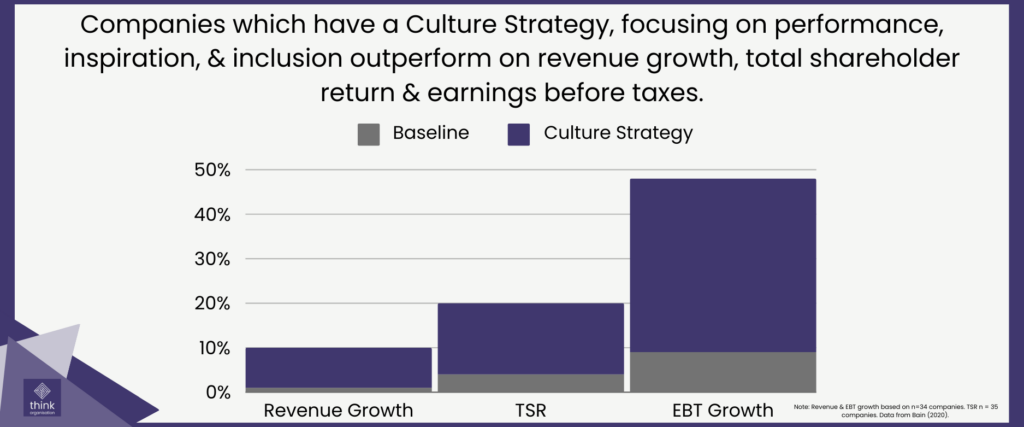
Firstly, leadership styles and skills need to be updated to reflect the current needs of employees and organisations. Leaders of old were tasked with ‘policing’ performance, ensuring people were present, and in some industries operating like machines in the production process.


Today, repetitive, mundane, dangerous or dirty tasks can be robotised, freeing up humans for more meaningful work. Yet leaders are lagging behind in terms of gaining the skills required to effectively lead teams in today’s environment.


Sprinkle in some artificial intelligence and the complexity increases – even faster, in a more uncontrollable manner.


The result is 80% of workers currently report being stressed due to poor communication. Yet, 34% of workers wouldn’t tell their boss they are stressed for fear of repercussions. So it’s no surprise half of workers report being disengaged (Praslova, 2024).


Despite this, UK employers investment in training is 26% less in real terms than it was twenty years ago in 2005. Globally, the UK continues to lag behind in employee investment with our EU counterparts investing double the UK value.


This means the UK would need to invest an additional £6.5 billion per annum to be on par (Learning & Work Institute, 2024).


So whilst work is not working, the investment and hope for improvements in the future currently remains bleak, especially in the UK.


How can we expect employees to improve their productivity when employers are failing to invest in improvements?


Organisations need to invest in training, coaching and upskilling

Secondly, organisations need to invest in training, coaching and upskilling their current workforce. This includes ensuring that the skills which are due to exit the employee market are replaced where required.


With 1.4 million more people due to retire over the next 17 years than will enter the employment market is it imperative that organisations learn how to work smarter and not harder.


Embrace Technology at Work

Thirdly, there is an opportunity to embrace technology for businesses. But to do this business leaders need to rethink their organisational design.


Technology provides ample opportunities, but often ways of working, processes and job design need to be reconfigured to harness the power, speed and capabilities of technology.


Effective job design can increase productivity, improve engagement levels, reduce absenteeism and deliver higher-quality work when done effectively.


Job design is an area where Business Psychologists have the upper hand, understanding the psychology and the processes required to deliver organisational success.


Listen to your employees

Fourthly, listen to employees in your organisation. They have the answers on how teams can work smarter and not harder. There are numerous techniques to empower the creativity of teams and facilitate innovation.


Creating a psychologically safe space where divergent thinking can be applied to future problems and opportunities can deliver untold benefits.


For more information on psychological safety assessments, surveys and advice, please email sam@cortex.clyq.co.uk.


Divergent thinking can be used to improve work.


Ensure your business has a robust culture strategy

Finally, ensure your business has a robust culture strategy which is aligned across the organisation. Often a toxic culture can arise from situations due to a lack of focus, much like weeds growing in an untendered garden. In times of uncertainty, fear can creep in and lead to unhelpful behaviours which start to fuel uncertainty, fear and self-preserving behaviours which can be detrimental to business success.


For support ensuring that work really works in your organisation please reach out for a free 30-minute consultation.


More about Change & Transformation

There’s more about Change & Transformation in this Think Organisation Post: How to Maximise Your HR Budget to Deliver Goals


Alternatively, copy and paste this link into your browser: https://cortex.clyq.co.uk/how-to-maximise-your-hr-budget-deliver-goals/

Why The Most Successful CEOs Focus on Culture

A company’s culture unconsciously influences the decisions employees make. Those decisions that employees make impact the results and success of a business, both directly and indirectly. The culture then impacts how people respond in the moment, especially when decisions are complex and there is no set process. This in turn impacts the results and success of businesses, at a level the majority of leadership teams struggle to grasp.
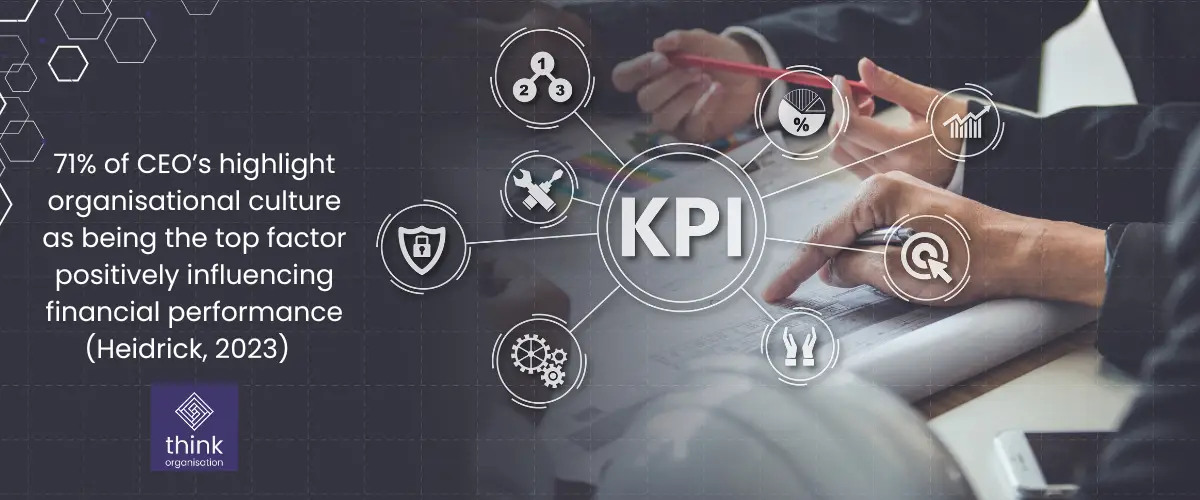
Since 2021, there has been a 44% point increase in the importance of organisational culture according to a survey of over 500 global CEOs (Heidrick, 2023). Yet, the majority of businesses do not have a cultural strategy. Many people attribute the quote ‘culture eats strategy for breakfast’ to Peter Drucker. However, this quote was originally cited by various other influential people and organisations, way before it was attributed to Drucker. This is the impact culture has on people. It influences what we see, what we believe, and the historic myths we attribute to reasons, explanations and ‘the way we do things’.

Have a think about an organisation you have worked for. How would you describe that culture in three words? Is that the same three words others would use? Would other teams say the same? Or would different locations use different strings of words?

Despite CEO’s recognising the importance of culture, recent reports show that many do not know how to harness this concept. It is like it’s too big, too complex or too difficult to tackle. So they continue to say it is important, but fail to make any changes to develop their own culture. With CEOs facing unprecedented pressures on retaining talent, driving transformation and new ways of working, this is precisely when they should be turning to their culture strategy. Over 70% of transformation projects fail (BCG, 2020), and with 53% of CEO’s current reporting to be leading transformation projects (PWC, 2024) understanding culture has never been more vital.

Common cultural myths we see in boardrooms:

Myth 1 – Culture is soft

Sales, operations and finance are all concrete concepts. They can be measured. Everyone is familiar with them and they are easy to set targets on. The challenge with culture is that it involves thoughts, feelings and perceptions. It is difficult to measure, but that said it is not impossible to measure. There are methods to track efficiency in sales, operations and finance whereas in reality it is the culture which impacts all of these. Culture impacts how people behave, make decisions and respond to processes and procedures.

Myth 2 – Culture can’t be managed

Many leaders say ‘culture just happens’. Others say ‘yes it’s important, but you can’t manage it’. In reality, everyday leaders are managing culture but often unconsciously. Their behaviours, the way they respond to employees, what they say behind closed doors – all of this impacts culture. This is why culture can be managed. Yes it can’t be transformed overnight, but it can be cultivated and grown and improved over time. And to do that it needs to be managed, by everyone.

Myth 3 – Human Resources are responsible

Many people say Human Resources and People Managers are responsible for organisational culture. However, whilst there are many metrics that HR can access which indicate the current culture, they are not wholly responsible. CIPD (2023) research shows 99% of FTSE 350 boards have a Financial Director on the board, compared to only 2% who have a People Director or HR Officer. Whilst the skills and experience around the table may be diverse, the research shows the levels of HR expertise at the board is much lower (only 25%) compared to 100% having financial or accountancy expertise. IT, tech and data expertise is prevalent on 57% or boards whilst marketing expertise is on 49% of boards. Therefore, when culture is led from the how the leaders behave it is difficult to link it to HR as their responsibility when this profession is significantly underrepresented at the board table.

Myth 4 – Productivity is about what we do not the culture.

Organisations manage processes, procedures and hope people work in a way of boosting productivity. However, as Simon Sinek outlines it is often ‘how’ we do things which creates the real value for customers. Culture, which impacts productivity, is key to this. Culture guides the unconscious decisions people make whilst working for a company. It guides how helpful, loyal and inclusive organisations are.

Myth 5 – Culture can’t be measured

In the famous book, Measure What Matters by John Doerr (2017), John focuses on how if you don’t measure something then it doesn’t matter, or at least it won’t improve. And this is very true is many ways. So many organisations come up with ideas, but do often fail at the execution. And this is what we are seeing so frequently with culture. Successful leaders say culture matters, but they struggle to measure it. However, just because it is difficult does not mean it is impossible and with over a decade of data taken from measuring cultures it is becoming increasingly easy to measure, observe, analyse and understand organisational cultures at a variety of levels.

Myth 6 – there is no ROI for culture

HR have many of the metrics which can give insight into the impact of culture.

  • Employee turnover
  • Employee productivity
  • Employee satisfaction
  • Net Promoter scores
  • Talent Succession success
  • ROI for training & development
  • Sickness & Absence Rates
  • Regrettable vs Non-regrettable leavers

The list goes on and on. Many of these metrics are costs to the business which push down profit, impact performance and impede employee engagement levels. It is the culture, as in the way things are done, which drives these numbers. Yet, just focusing on the numbers is only one small element of the information, it’s bringing them all together, especially over time, that gives huge insight into the current culture, the direction of culture travel and where changes may need to be made.

However, whilst much of this data is gathered by the HR team, it is important to remember that the HR team is not solely responsible for culture. Often HR teams are under-resourced, have no seat at the board table and are the people who leaders and managers turn to when things go wrong.

Conclusion

In reality everyone is responsible for culture. The leaders to define and role model it. The managers to role model and sustain it. All employees to be part of the solutions.

To know more about how to bring your culture to life for all your employees, reach out to us.

Are you ready to

start your joruney?

Take the first step to transform your workplace.

Call us on 07123 456 789
Email us at sarah@cortexworx.com

© Copyright Cortex Worx LTD. All rights reserved. | Website by Clyq