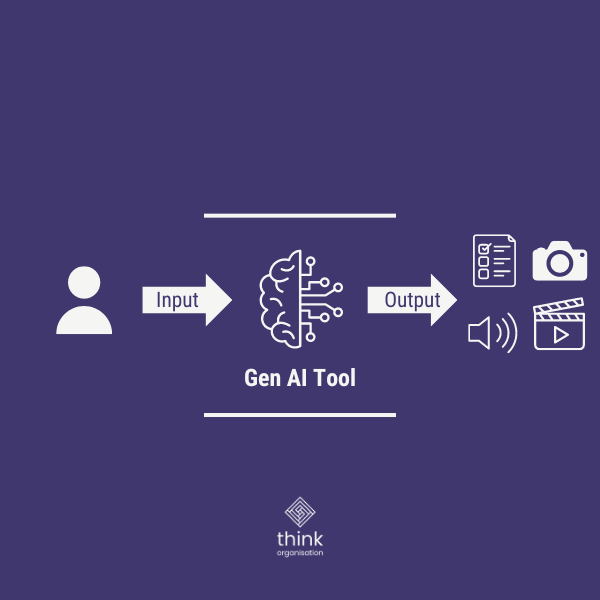

Confused about how AI will impact your people and workplace culture?

We unpack the intersection of humans and artificial minds to help you adapt with awareness and purpose in our insights.

How You Can Lead Successful AI Transformations

 Directors are facing a new wave of complex challenges as artificial intelligence (AI) reshapes business, governance and the future of work.


This demands fresh thinking, ethical oversight and sharper strategic judgement than ever before. But is your boardroom truly prepared? Do you have the right mix of skills and perspectives on your board to lead and govern a successful AI transformation?


With the number of AI companies in the UK increasing by 600% annually, twice as many as any other European country according to Forbes (2025), it is clear that AI is not just a technological shift, but a cultural one as well. As these companies grow, how things are done internally becomes just as critical as the technology itself, making organisational culture a defining, if frequently overlooked, factor in whether AI transformations succeed or fail.


This is where business psychologists play a crucial role. With specialist knowledge and rigorous in-depth training in human behaviour, cultural diagnostics and organisational design, workplace psychologists bring deep insight into the invisible forces shaping company performance. They have the skills, expertise and experience to see things which are often hidden or invisible to those inside organisations.


Workplace psychologists do this by reviewing structures, leadership behaviours, communication patterns and employee mindsets using proven, robust tools to help boards and executive teams ensure that their culture and design are fit for an AI-enabled future. If your business hasn’t had an organisational design review in the last couple of years now is the time, because 99% of organisations are designed based on the past – not the future.


An appropriately designed organisation, which does not necessarily mean redundancies (when done appropriately), can reduce risk of transformations failing to deliver goals, increase adoption likelihood and create the conditions where innovation and trust can thrive side by side – both critical to deliver AI transformational success.


To navigate these challenges effectively, directors must take proactive steps to strengthen their board’s readiness for AI.


1. Legal, Regulatory & Governance Requirements for AI

This begins with building digital and AI literacy at board level, ensuring that all members have a foundational understanding of the technologies they are overseeing. Boards must also establish robust AI governance and ethical frameworks to guide responsible development and deployment. Regular assessments of both AI-related risks and the organisation’s cultural readiness are essential to avoid blind spots.


The importance of ensuring diversity of thought and experience has never been more profound. Including diverse perspectives in AI discussions will improve decision-making and help surface unintended consequences, many of which have been highlighted in the media in recent years. Because, above all, boards must ensure that AI strategies align with the company’s broader purpose and stakeholder expectations, embedding trust and long-term value into every stage of the transformation.


Just as it is not the Finance Director’s sole responsibility for the finances of a board when the accounts are signed off, so true is the AI strategy not being sole responsibility of the CTO. All Directors need to be aware and understand the implications of forthcoming legislative requirements including but not limited to:


  • UK Government’s Pro-Innovation AI Regulatory Framework
  • UK AI Safety Institute
  • Data Protection Legislation
  • Equality Act 2010
  • EU AI Act


2. Ethical & Reputational Decision-Making

Ethical and reputational risk is a growing concern for boards navigating AI transformations. Many clients find themselves so focused on the AI they can easily lose focus on the purpose of the transformation. This can lead to opportunities for intentional or unintentional misuse. Algorithmic hiring or decision-making without transparency can quickly erode stakeholder trust.


One of the most dangerous aspects of AI is the invisibility of harm; errors or biases in automated systems often go unnoticed until significant damage has already occurred, particularly for vulnerable groups. In addition, there is increasing pressure on organisations to be seen as ethical AI adopters, which can lead to superficial gestures. Experts often referred to this as greenwashing or ethics-washing, without the backing of robust, meaningful governance and oversight processes. All of which fall under a directors duties.


3. Workforce & Employee Impact

AI transformation brings significant workforce and cultural implications that boards must carefully manage. One of the most immediate issues is job displacement anxiety, whether likely or not. Employees may fear that AI will replace their roles, leading to demotivation, resistance, or even active pushback against adoption efforts.


This concern is compounded by change fatigue, as AI is often layered on top of ongoing digital initiatives, placing additional strain on leadership and frontline teams already coping with constant transformation. This means that if not introduced with care, AI can also clash with existing organisational values, especially in people-focused cultures where it may be perceived as impersonal or overly data-driven.


A lack of visibility around AI-related changes can amplify the absence of psychological safety, particularly when there are empty reassurances that jobs are secure, can have a profound impact on workforce performance.


When employees are left in the dark about how AI will affect their roles, uncertainty and fear begin to take hold no matter what leadership assurances there are.


Without clear communication or involvement in the process, people may assume the worst, leading to anxiety, reduced engagement and a breakdown in trust. This sense of insecurity can stifle innovation, collaboration and morale, as individuals focus more on self-preservation than on performance or contribution.


Over time, even high-performing teams may begin to under-deliver, not because of a lack of skill or motivation, but due to a climate of fear and ambiguity growing. To avoid this, leaders must be proactive in providing clarity, involving employees in shaping the change, and creating a culture where people feel safe to ask questions, share concerns and contribute to the solutions.


4) AI In The Boardroom

Inside the boardroom, dynamics and biases can further complicate AI strategy. Risk appetite versus a rush to follow AI trends can lead boards to overestimate the benefits without fully assessing the scale and depth of the risks.


Generational and expertise divides may also emerge, with varying levels of digital fluency leading to unbalanced discussions or decision-making blind spots.


In some cases, strategic choices are driven more by fear of missing out (FOMO) than by sound governance. To navigate AI effectively, boards must foster open, informed dialogue and ensure cultural alignment both inside and outside the boardroom.


An effective risk governance strategy and framework, aligned to boardroom appetite is vital.


Conclusion

In conclusion, AI transformation is not just a technological evolution it is a strategic, cultural and human challenge that demands the full attention of boards. Directors must move beyond surface-level understanding to actively govern AI with confidence, ethics and foresight.


This includes addressing regulatory responsibilities, embedding trust through strong cultural foundations and ensuring workforce readiness in a time of uncertainty underpinned by values.


By drawing on specialist support, such as business psychologists and LLM experts, committing to thoughtful organisational design, boards can reduce risk, increase adoption and create the conditions for AI to deliver real, long-term value.


The future of AI is already here, but now it is up to boards to lead it well – at speed.

 

Why Workplace Culture Is More Important Than AI

Culture is defined as they ‘way we do things around here’ and is unique to any organisation. Culture can either help or hinder workplace success, and it is crucial that there is alignment from leaders regarding an organisation’s culture – otherwise it just happens, which is a missed strategic opportunity.

In a conversation at the ABP Workplace Experience Conference 2025 our Co-Founder, Sarah Clarke, who has spend over 20 years specialising in culture, found many organisations are so focused on Artificial Intelligence, and the opportunities it may bring, that they are forgetting about the fundamentals.

Whilst AI offers plenty of time-saving opportunities, including new ways of working and hopefully an increase in productivity when harnessed effectively. Many leaders are drawn to the shiny new thing and need to recalibrate and focus on what is important – how people work in their organisation, aka culture.

Workplace culture is more important than AI…

…because it determines how effectively any technology (including AI) is adopted, used, and governed.

In your organisation it’s the processes, procedures, ways of working, leadership behaviours and many other elements which create the unique culture. And it is this culture which drives human behaviour in the workplace.

1. Culture Drives Human Behaviour

The culture in an organisation promotes collaboration, trust, accountability, and innovation.

It helps promote certain behaviours, or reduces the likelihood of other behaviours depending on the responses to different behaviours. It is these human factors that are essential to making any technology, including AI, work effectively.

AI is driven by employees and even the most advanced AI won’t deliver any value if employees don’t understand how to use it, or how its power can be used to add benefits.

Many people struggle to trust AI due to the complexity of the algorithms which drive it, and if there is a lack of trust then many people question its output. Plus understanding how to prompt AI is crucial – just like years ago when people learnt how to utilise computers. Over time we became better at it, because culture influences human behaviour.

2. Culture Drives Ethical and Responsible AI Use

People will make decisions based on a a number of factors, including their emotions at the time.

How we work, how we do things and societal expectations all influence how ethical decisions are made. AI is trained, deployed and monitored by people, so it is paramount that this is based on ethical and responsible decisions.

Just because we can, doesn’t mean we should. Without ethical standards, motivations or an approach for doing things, AI can cause more harm than good.

AI can reinforce biases, make dangerous decisions or magnify already irresponsible or harmful ways of working.

Hence, the way we do things needs to be ethical and responsible to benefit all.

3. Culture Influences Change and Adaptation

The way a group collectively approaches situations can either support or hinder change, adaptation, and improvement.

Numerous social psychological theories explain how group dynamics influence these outcomes.

The adoption of AI is linked to change, and people can often resist change that they are not in control of.

A culture that supports learning, curiosity, and psychological safety can help people adapt and evolve their roles, ways of working – and ensure AI adds value to organisations.

4. AI is Built By People

AI is created, trained, implemented and maintained by people, which means it brings everything people have to offer together and extrapolates it.

AI doesn’t operate in a vacuum, it builds on what already exists and learns from others.

The values, motivations and dynamics of people, and their culture, shape the outcomes AI produces – especially in closed loop AI products which organisations may use for security.

After all, what you put into AI influences what you get out because it is in many ways automated intelligence, as opposed to artificial – or is it?

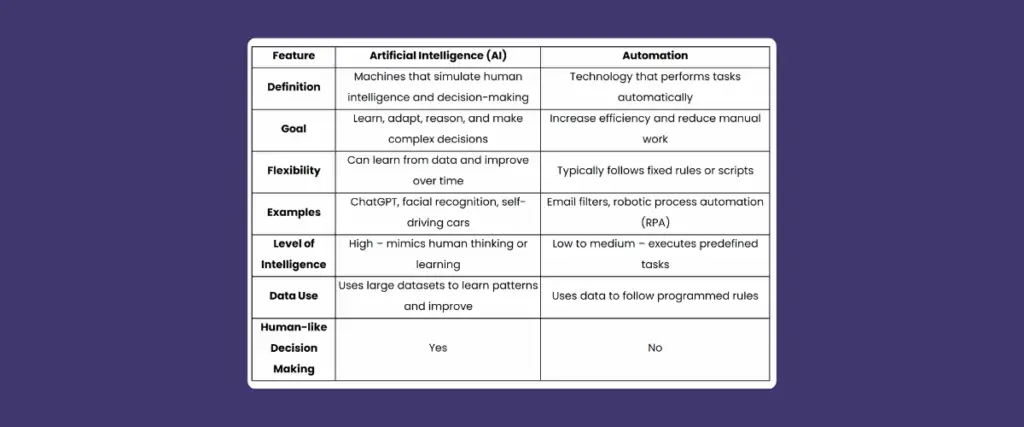
The table below shows the difference between AI and automation, which is vital when working out the best way for organisations to work more effectively with the latest tech available.

Culture and AI
Culture and AI

5. Culture Is a Strategic Asset

There is a brilliant book we recommend called Measure What Matters, by John Doerr which highlights the need for effective measurement.

Being able to understand, measure and infer what current culture is, has been shown to be vital to our clients, because then culture can be harnessed as a strategic asset.

But the key to this is defining what is meant by culture.

Researchers generally agree a strong culture drives retention, engagement and performance which creates a more sustainable competitive advantage, something that AI alone cannot provide.

Companies with a toxic culture can invest heavily in AI and still fail because of the intricacies of implementation and the way that people interact with the AI.

Therefore understanding your current culture is critical to the success of AI utilisation, because whilst AI is a powerful tool it is the workplace culture which decides how wisely and effectively it is used.

To know more about how to increase productivity in your organisation please reach out to us – sam@cortex.clyq.co.uk.

More about Artifical Intelligence

There’s more about Artifical Intelligence in this Think Organisation Post: The Importance of Human Behaviour and Artificial Intelligence.

LINK: https://cortex.clyq.co.uk/the-importance-of-human-behaviour-and-artificial-intelligence/

How To Manage A Healthy Brain At Work

Often the clients we work with focus on processes, policies, handbooks, and ways of working as if they are leading machines rather than people. Yet the human brain is very different from machines, or is it?


During the Industrial Revolution, this approach made sense; people managed machines. But today, 47% of work tasks are handled by humans, 22% by machines, and 30% require a combination of both (Statista, 2025).


So why isn’t there more focus on the power of the human brain?


The future of work is changing. More service-focused, the power of the human brain needs to be harnessed. Yet organisations often fail to embrace the opportunities of humans, AI, or anything related to the next technological revolution.


While humans add immense value to machines through creativity, critical thinking, emotional intelligence and adaptability, machines bring speed, efficiency, accuracy and precision, as well as the ability to perform dangerous or physically demanding tasks. The capacity of AI and computing systems to process vast amounts of data far surpasses the human brain in terms of scale, speed, and accuracy. Yet, why do we not take the same level of care of our people as we do with our machines?


Think about it.


We service machines, replace worn-out parts, and provide regular updates (often automatically like software updates). Yet, we struggle to adopt the same approach for humans.


Entire teams in organisations focus on preventive maintenance for machines, ensuring routine servicing to change filters, lubricate, and calibrate to prevent wear and tear.


So why don’t we do the same for humans?


After all, humans currently handle 47% of work tasks. Yet, in large organisations, there are on average just 0.79 HR personnel per 100 employees (Sesame HR, 2025). The ratio of managers to employees does not provide much more reassurance, with 43% of UK managers overseeing teams of 10 or more (People Management, 2022). So, how should we be looking after humans in the workplace?


1. Recognise The Human Brain


The human brain consumes most of a person’s energy, making hydration essential. Dehydration leads to brain fog, fatigue, and reduced concentration. Providing free tea and herbal infusions, cold water stations, and easy access to drinking water is a low-cost, high-benefit solution for businesses.


2. Encourage Regular Breaks


The Pomodoro Technique shows that focused work for 25–50 minutes, followed by a 5–10 minute break, improves productivity and quality. Encouraging people to step away from their desks, stretch, walk around, or get fresh air enhances focus and performance.


3. Promote High-Quality Social Interactions


With remote working, spontaneous conversations and team discussions often diminish. Encouraging regular interactions fosters collaboration, strengthens understanding, and supports mental well-being. Humans are social beings and need interactions with others.


4. Optimise the Work Environment


Natural light is vital for cognitive function, and reducing noise distractions helps people perform at their best. Providing flexible workspaces where employees can move to suit their needs enhances their ability to deliver quality work.


5. Empower People to Switch Off


While there is growing debate around enforcing ‘switch-off’ periods, this approach may increase stress rather than alleviate it. Simply blocking access to work doesn’t stop the human brain from thinking about it. Instead of rigid policies, organisations should empower employees to manage their workload in a way that suits both them and the business.


The brain is the most complex system we have discovered in the universe. Like a muscle, our brains need a workout. It needs to be used. But it also needs time to recharge, relax, and refresh as overuse can lead to muscle damage and injury. The same is true for the human brain.


So take control of your own brain health.


We must all avoid overworking, where long hours prevent proper rest and recovery. It benefits no-one in the long term. People who enjoy their jobs and have control over how they work experience better mental recovery than those who don’t. Yet, as businesses focus on processes and procedures, they often strip employees of the ability to trust their instincts and manage their work schedules and outputs.


Understanding what productivity looks like, and how the human brain can remain healthy at work is crucial. Ensuring proactivity, as opposed to reactivity, is key. By prioritising the well-being of the human brain, organisations can ensure that people (and not just machines) are supported to perform at their best.


To understand more please reach out.


More about Wellbeing

There’s more about Wellbeing in this Think Organisation Post: Improving Employee Engagement


Alternatively, copy and paste this link into your browser: https://cortex.clyq.co.uk/how-to-improve-employee-engagement-on-a-limited-budget/

Why We Need to Celebrate Cyber Secure Culture

At Think Organisation, we understand that businesses need policies, procedures, processes, and rules to ensure work is delivered consistently and to a high standard. Being cyber secure is vital.


However, we also know that what a business says it does doesn’t always align with what it actually does. Many organisations proudly display awards for culture while struggling with high staff turnover and disengagement. That’s why aligning actions with values is critical, especially when it comes to cyber security.


In our opinion, and despite it being out of our comfort zone for businesses dedicated to building a strong organisational culture, safeguarding operations and data should be as much of a priority as nurturing people. With ever-rising cyber threats, achieving Cyber Essentials accreditation isn’t just a technical necessity—it’s a powerful demonstration of integrity, care, and responsibility.


Aligning Security with Integrity


As Culture Scientists, addressing difficult topics such as feedback or conflict comes naturally to us. Cyber security, on the other hand, is outside our natural expertise. Yet, we recognised that protecting our customers, employees, and community was essential. Currently, 80% of cyber attacks stem from basic, common methods. Ignoring this reality would undermine the trust our clients and partners place in us.


Achieving Cyber Essentials accreditation required stepping out of our comfort zone. We had to invest time and money, learn about areas we weren’t familiar with, and commit to change – all while managing hundreds of clients and growing our business. However, delaying action would have gone against our core values of integrity and excellence. Luckily we had the experts at Linten Technologies to help us make the process easier.


The Business Case for Being Cyber Secure


For organisations like ours, Cyber Essentials isn’t just about preventing attacks; it’s about reinforcing trust. By becoming certified, we:


  • Protect sensitive data and reduce vulnerabilities to common cyber threats.
  • Demonstrate our commitment to safeguarding our employees, clients, and community.
  • Enhance our reputation as a responsible and forward-thinking organisation.
  • Align our actions with our values, ensuring consistency between what we say and what we do.


Cyber Essentials is also a strategic business enabler. Certification is often a requirement for government contracts and partnership opportunities, opening doors that might otherwise remain closed.


A Testament to Commitment


The result? You can search for us and see our Cyber Essentials certificate, knowing that we are doing our utmost to provide a secure environment for everyone we work with. Achieving certification wasn’t easy, but it was necessary. By stepping outside our comfort zone and tackling something new, we’ve strengthened both our business and our commitment to our clients and employees.


For leaders, this is a reminder that protecting your organisation goes beyond traditional priorities. Cyber Essentials isn’t just about IT – it’s about values, trust, and long-term success.


If you need culture experts please reach out, if you need help with your cyber security we recommend Linten.


More about Innovation

There’s more about Innovation in this Think Organisation Post: Why Workplace Culture is More Important than AI


Alternatively, copy and paste this link into your browser: https://cortex.clyq.co.uk/why-workplace-culture-is-more-important-than-ai/

Leadership in an Artificially Intelligent World.

Artificial intelligence (AI) enables computers and machines to simulate human intelligence and to problem solve.


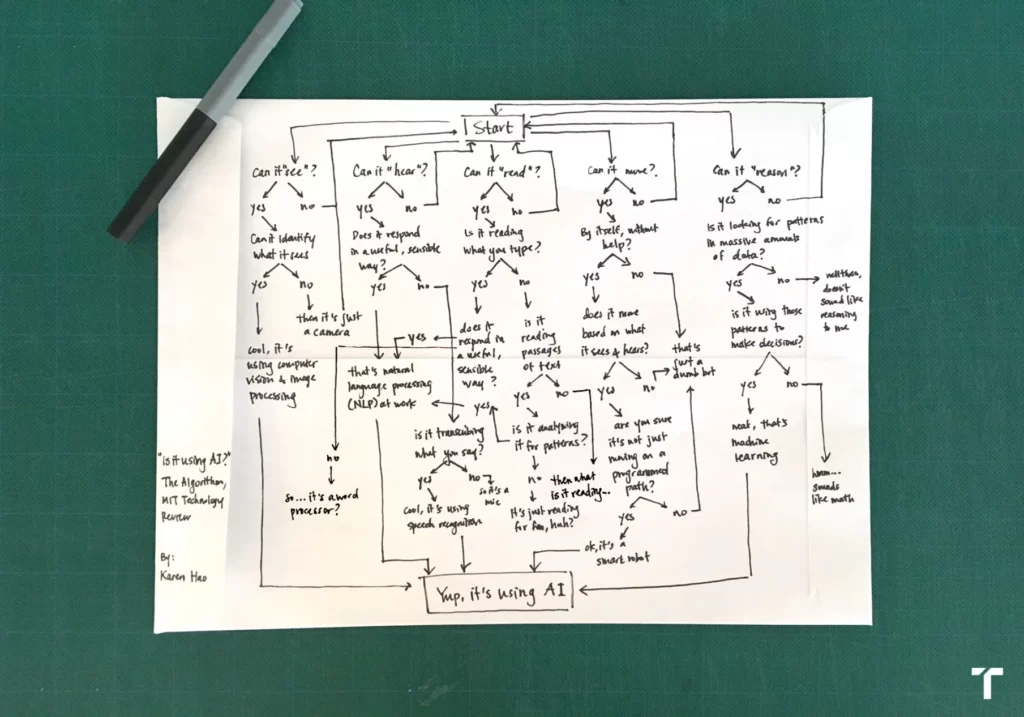
Yet, leading AI scientists say world leadership still need to wake up to AI (University of Oxford, 2024). If you are unsure what AI is then MIT (2018) designed a great flow chart to help people understand what is (and what isn’t) artificial intelligence.


In fact, AI is not the only technology transforming the world of work which leadership teams currently need to be aware of. Cloud-based technology, 5G, virtual reality, the Internet of Things (IoT), Blockchain, 3D printing, Robotics and much more are all transforming the world of work for everyone, faster than ever before.


So what do leaders need to know?


1. What is the purpose of their organisation?

The World Economic Forum outlines how the fourth industrial revolution is changing the way we live, work and relate to one another (WEF, 2024). Businesses add value in increasingly complex ways, which means having a clear, well-communicated and understood purpose is fundamental to ensuring success.


Simon Sinek (2009) outlined the importance of ‘WHY’. Since then many businesses have gone bust because they lost their focus on ‘why’, one great example being Blockbuster.


Blockbuster grew from a single store to a chain of over 9,000 locations in over two decades, but its fate was sealed when it failed to acquire Netflix. At the time Netflix was a successful start-up, not yet five years old. With the same purpose, both solutions provided access for people to watch movies or programmes, without having to buy them. Yet, the focus on how (customers visit the stores) was overtaken by the much more convenient download/stream solution. This led to the demise of Blockbuster. Allowing leaders to learn from the mistakes of the past.


The leaders of Blockbuster failed to protect the purpose of the company. Just as Blockbuster failed to make decisions aligned with its purpose – no more so than when it decided not to acquire Netflix. Subsequently, it took the company another six years to launch an online offering – by which time it was too late to turn around the failing business. Which leads to the second element.


2. How leaders make effective decisions – fast!

All leadership teams need to be able to make effective decisions. They don’t always need to make the right decisions, but they do need to be effective. On average humans make 35,000 decisions a day (Kahnman, 2011), the majority of which are unconscious. Over the last three years, the volume of daily decisions has increased tenfold with 85% of business leaders experiencing decision stress in 2023 (HBR, 2023).


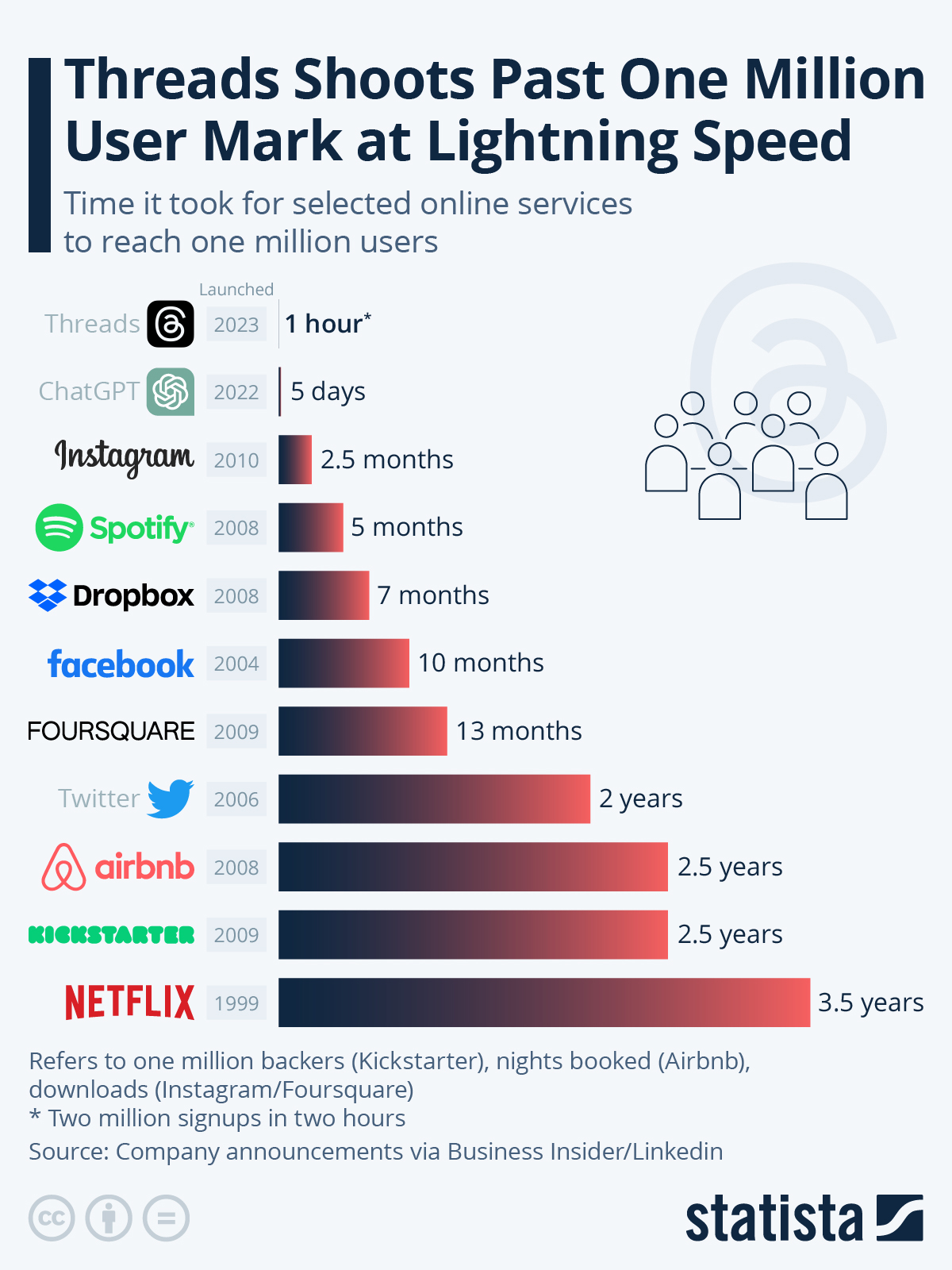
This is not surprising when you consider the pace of change. Statista recently published their findings about how fast different online services were being adopted – the rate of pace change has been phenomenal.


Statista - threads shoots past one million user mark at lightning speed


Today, leaders can’t afford to ‘wait and see’.


Leadership teams need to make effective decisions quicker than ever before. Blockbuster was so worried about losing its current market and focused on adding value (e.g. introducing food offers to the stores) that it failed to pivot and embrace the changing landscape. In reality, the decision-making in the Blockbuster C-suite wasn’t aligned with its purpose, wasn’t timely and ultimately contributed to its offering becoming obsolete.


A systematic approach

Leaders who use a systematic approach to decision-making have been shown to make more effective decisions. Whilst decision making is a balance of intuition and evidence leader’s must define the decision being made.


Gathering relevant information, identifying alternatives, weighing the evidence, choosing the best option, taking action, and reviewing the outcomes is the process. Coaching, decision workshops and supported decision-making to help leaders make effective decisions fast can be crucial.


Strategies such as rational analysis, intuitive decision-making, SWOT analysis, cost-benefit analysis, decision matrices, seeking feedback, scenario planning, and avoiding biases like overconfidence and groupthink are vital. Selecting a suitable tool, which suits your situation (e.g. decision trees, software, mind maps, etc.) can also aid the process.


The key is to balance structured methodology and psychological fundamentals to empower leadership teams to make informed and effective choices on behalf of their organisation. So what else is important?


3. Beware of Fear of Missing Out (FOMO)

Fear of Missing Out (FOMO) is a psychological phenomenon. It is the feeling of anxiety when something is happening elsewhere. FOMO has increased significantly in recent years due to the rise of social media.


Years ago it was more difficult to see or know about what was going on elsewhere. However, today FOMO occurs when individuals feel anxious and insecure about missing out on rewarding experiences others might be having.


Currently, everyone is talking about AI. Many people, including business leaders, are talking about AI. So the risk of FOMO is significant. This compulsion to stay connected, on topic and be part of the pack often leads to compulsive shifts in our attention. Yet there is a negative side.


The constant comparison to others can impact individual confidence, reduce self-esteem and impact mental wellbeing. Questioning oneself, being unsure what to do next and feelings of isolation can all manifest as a result of FOMO. The important thing for leaders is to be aware of this, to learn how to manage it, and to focus on trusting their abilities, which leads to the next piece of knowledge.


4. Focus Management in Leadrship – avoid tunnel vision

The prolific rise of AI in our media, events, and businesses is at risk of causing many leaders to have tunnel vision. In reality, AI is just one slice of a very large technological pie that leaders can choose from. The best bit is you don’t need to just have one part of the pie! The key is picking the elements which drive value in your business or team.


The ability to manage focus is fundamental for any successful leader. The human brain processes 40 pieces of information per second consciously, whereas unconsciously it is thought brains process up to 11 million pieces of information per second. Being aware of the psychology behind human thought is fundamental in helping leaders empower teams to deliver effectively.


The psychology behind attention focus involves selectively concentrating on specific information while ignoring other stimuli.


Selective attention, allows us to focus on one task while excluding distractions, and divided attention allows us to manage multiple tasks. Sustained attention is the ability to maintain focus over time, whilst executive control involves higher-order processes like planning and decision-making. Having a basic understanding of the psychology of attention focus is critical for all successful leaders striving to ensure their teams are successful.


5. Everything is Connected

A clear and well-communicated purpose

The purpose of your organisation is its guiding light, especially amid technological disruption. A clear and well-communicated purpose ensures everyone is aligned towards common goals. Take the cautionary tale of Blockbuster, whose failure to adapt to changing consumer preferences led to its downfall.


Leadership teams must constantly reaffirm their organisation’s ‘why’ to stay relevant in today’s dynamic environment.


Systematic approaches

With the speed of change accelerating, leaders can’t afford to procrastinate. Effective decision-making is crucial, even amidst uncertainty. Utilise systematic approaches like SWOT analysis and decision matrices to weigh options swiftly.


Embrace a blend of intuition and evidence to make informed choices, and don’t shy away from seeking feedback. Remember, timely decisions, even if not always perfect, are key to staying ahead.


Guard against FOMO

In the age of social media and constant connectivity, FOMO is a real threat to effective leadership. The hype around AI, for instance, can lead to impulsive decisions driven by fear rather than rationality. Leaders must guard against FOMO by trusting their instincts and focusing on what truly matters for their organisation.


Confidence in your abilities and a clear vision will shield you from the distractions of comparison.


Manage focus

While AI might be dominating the headlines, leaders must not lose sight of the broader technological landscape. Managing focus is paramount in a world inundated with information. Understand the psychology of attention and empower your team to filter out distractions. Recognise the importance of selective attention, divided attention, and sustained focus in driving success. By mastering focus management, leaders can steer their organisations towards sustainable growth amidst technological upheaval.


Conclusion

In conclusion, embracing technological advancements is essential for modern leaders. By defining purpose, making timely decisions, managing FOMO, and mastering focus, leadership teams can navigate the complexities of the digital age with confidence and clarity. Stay agile and focused, leading your organisation towards a brighter future.


Think Performance. Think Excellence. Think Impact.

Check our Insights page for more valuable information.


More about Artifical Intelligence

There’s more about Artifical Intelligence in this Think Organisation Post: Why Workplace Culture is More Important than AI

Alternatively, copy and paste this link into your browser: https://cortex.clyq.co.uk/why-workplace-culture-is-more-important-than-ai/

Human Behaviour and Artificial Intelligence: Why Their Connection Really Matters

Artificial Intelligence (AI) is everywhere.


First invented in 1950s, it is only recently that Artificial intelligence has become so prolific across society as a whole. Ten years ago AI was still a dream for the majority of us. (Deutsch, 2012).


What is Artificial Intelligence?

Let’s look at some dictionary definitions.


Intelligence is the ability to acquire and apply knowledge and skills. It is the ability to reason or make judgements. The word artificial refers to something which is produced by humans, meaning it does not occur naturally. It is machines which are capable of artificial intelligence. Machines are an apparatus which use mechanical power, and consist of several parts, which function together to perform a task.


Artificial intelligence is a machine which has the ability to learn, understand and make judgements or have opinions based on reason. The machine is capable of building something new, as opposed to just reprocessing information which has been entered.


Artificially intelligent machines were first invented in the 1950s (Harvard, 2017). These machines were significantly slower (and larger!) as well as being less powerful compared to today’s computers. At the time, AI pioneers like Alan Turing and Marvin Minsky laid the groundwork for the AI we enjoy today. At the time, AI machines could perform relatively simple tasks such as logical reasoning, solving mathematical problems, and playing simple games like tic-tac-toe.


At this point, the main focus was on developing algorithms and exploring the theoretical foundations of artificial intelligence rather than more practical applications.


For example, it wasn’t until forty years later, in 1997 that AI really cracked playing chess. IBM’s Deep Blue machine made headlines by defeating world champion Garry Kasparov in a six-game chess match. This marked a significant milestone in AI’s ability.


What has Artificial Intelligence got to do with Psychology?

Understanding human intelligence has alluded humans for years. Psych (meaning soul) ology (meaning study of) is a multi-faceted discipline covering many areas of science. Today, humans (including Psychologists) still debate what intelligence is and how to measure it.


Psychologists have proposed various definitions and theories of intelligence over the years, reflecting different perspectives on what intelligence encompasses. Some psychologists view intelligence as a single, general cognitive ability (GCA), while others argue for a broader, more multifaceted understanding.


Theories of Intelligence

Leading experts have proposed various theories of intelligence, each offering distinct perspectives on the nature and measurement of cognitive abilities:


      • Psychometric approach

      • Multiple intelligences theory

      • Triarchic theory of intelligence

      • Theory of multiple factors


    These theories all represent different perspectives on intelligence, highlighting the complexity of the concept and the diverse ways in which it can be conceptualised and measured.


    The human brain is an intricate organ

    It serves as the control centre for the body’s functions and behaviours. It consists of billions of nerve cells called neurons, which communicate with each other through electrical and chemical signals. The brain is divided into different regions, each responsible for specific functions such as movement, sensation, language, memory, and emotions.


    Sensory processing centre

    Information processing in the brain occurs through complex neural networks. When we perceive sensory information from the environment, such as seeing, hearing, or feeling, neurons in the sensory areas of the brain process this information and transmit it to other regions for further interpretation and action.


    Memory formation involves the encoding, storage, and retrieval of information. Different types of memory, including short-term memory and long-term memory, are supported by various brain structures and neural pathways. Emotions are regulated by regions such as the amygdala and prefrontal cortex, which play crucial roles in processing and responding to emotional stimuli.


    Consciousness, awareness, and higher cognitive functions like decision-making, problem-solving, and creativity involve interactions between different brain regions, particularly the cerebral cortex—the outer layer of the brain responsible for higher-level processing.


    Overall, the human brain functions through the coordinated activity of neurons and neural circuits, enabling us to perceive, think, feel, and act in response to our environment and internal states.


    We must consider this when discussing artificial intelligence, can a machine do all of this? And how can it do all of this?


    Why does this matter?

    The human brain has over 86 billion neurons, which we couldn’t see until the 1970s when magnetic resonance imaging (MRI) was first developed. So how do we know what AI is doing? How can we see inside the minds of the machines?


    Today AI has learned to do a wide range of tasks across various domains, including:


      1. Playing Games: AI can play complex games like chess, Go, and video games at a level surpassing human experts.
      2. Natural Language Processing (NLP): AI can understand, generate, and translate human languages, enabling applications like chatbots, language translation services, and sentiment analysis.
      3. Image Recognition: AI can accurately identify objects, people, and scenes in images, powering applications like facial recognition, image search, and autonomous vehicles.
      4. Medical Diagnosis: AI algorithms can analyse medical data to assist in diagnosing diseases, detecting abnormalities in medical images, and predicting patient outcomes.
      5. Autonomous Vehicles: AI enables self-driving cars to perceive their environment, make decisions, and navigate safely on roads.
      6. Recommendation Systems: AI algorithms can analyse user preferences and behaviour to recommend products, movies, music, and other personalised content.
      7. Financial Trading: AI is used in algorithmic trading to analyse market data, identify patterns, and execute trades at high speeds.
      8. Drug Discovery: AI accelerates the process of drug discovery by predicting molecular interactions, designing new compounds, and identifying potential drug candidates.
      9. Robotics: AI enables robots to perform tasks such as assembly, navigation, and object manipulation in diverse environments.
      10. Personal Assistants: AI-powered virtual assistants like Siri, Alexa, and Google Assistant can understand spoken commands, answer questions, and perform tasks like setting reminders and sending messages.


      These are just a few examples and are not exhaustive due to the speed at which AI is developing.


      Why should I care?

      For the majority of the population, it probably wasn’t until the end of 2022, when ChatGPT was launched, that we began to think and consider AI. This morning, a morning greeting from ChatGPT is shown below asking what it can help with.

      You should care, because these questions are based on my search history. And the speed of change is ground-breaking.


      It took the telephone just over 75 years to reach 100 million users. The mobile phone took 16 years, with the world wide web halving this, reaching 100 million users in 7 years. ChatGPT took 2 months. Surpassing previous record breakers, TikTok which took 9 months and Uber which took 70 months. The speed at which AI is advancing is faster than anything humans have ever seen before.


      So what next?

      All humans need to understand AI.


      Psychologists bring invaluable expertise to the field of AI, contributing insights crucial for the development of responsible and user-centric technologies. With their deep understanding of human behaviour, cognition, and emotions, psychologists play a pivotal role in shaping AI systems to align with human preferences, needs, and ethical considerations.


      The ability to ensure big data used in AI is robust, reliable and valid is fundamental to the integrity of the algorithms. Psychologists have long focused on the need for machine innovation, whilst ensuring they are ethically sound, especially in terms of addressing concerns related to privacy, bias, fairness, and transparency.


      As AI becomes increasingly integrated into daily life, psychologists contribute valuable insights into human-machine interaction, much like ergonomics and health and safety in the past.


      Understanding the human factor in AI and machine integration is fundamental to the success of organisations, and society as a whole, just as it was in transforming how humans interacted with airplanes (Harris, 2014).


      If you would like to discuss how the Think Organisation can ensure your organisation and its people can harness the power of AI please contact us.


      Think Performance. Think Excellence. Think Impact.

      Check our Insights page for more valuable information.

      More about Artificial Intelligence

      There’s more about Artificial Intelligence in this Think Organisation Post: Leadership In An Artificially Intelligent World

      Alternatively, copy and paste this link into your browser: https://cortex.clyq.co.uk/leadership-in-an-artificially-intelligent-world/
      Are you ready to

      start your joruney?

      Take the first step to transform your workplace.

      Call us on 07123 456 789
      Email us at sarah@cortexworx.com

      © Copyright Cortex Worx LTD. All rights reserved. | Website by Clyq