
Do your people need support to grow, but you’re unsure where to start?

Think Organisation insights will help you discover how coaching can unlock potential, build resilience, and develop future-ready talent in your organisation.

Put Your Thinking Hats On: Use De Bono’s Model To Unlock Better Ideas & Results

How we make decisions, come up with ideas, solve problems or approach challenges is all down to how we think. Imagine if you could change how you think based on the thinking hats you decide to put on your head.


Thinking defines the mental processes of generating, organising or evaluating ideas, information and experiences to understand, reason, make decisions and solve problems.


As Psychologists, we often call it cognitive processing because thinking involves functions such as perception, memory, imagination, reasoning and judgement.


Everyone’s mind manipulates information differently, whether it is words, images or abstract symbols, our minds use this information to make sense of the world and guide our behaviour. Because of this we often get asked, is there a tool or model which can help us think better, deeper or differently?

The answer is yes, because one model, in our opinion, which can help reduce the bias, emotions or rigid thinking patterns is Edward de Bono’s Six Thinking Hats. This tool is a simple framework, which when used correctly, can help transform decision making, by helping teams think more clearly and make better decisions.


What Are the Six Thinking Hats?

Developed by Dr. Edward de Bono, a pioneer in creative and lateral thinking, the Six Thinking Hats model is designed to help individuals and groups look at problems from multiple perspectives, by deliberately and systematically using each “hat” to represent a distinct mode of thinking:


    • White Hat: is all about facts & information, this hat focuses on data, evidence and objective information. Questions such as what do we know? Or what do we need to find out? What does the data show us?

    • Red Hat: is about feelings and intuition, bringing emotions and gut instincts into discussions. Questions such as how do we feel about this idea? What is our immediate reaction? Is this emotional?

    • Black Hat: is more about critical judgement, and to some extent caution. This hat identifies risks, weaknesses and potential problems it is about asking what could do wrong?

    • Yellow Hat: is about the benefits, and optimism. It is about looking at the positives, the opportunities and the positive values which could be added. Why might this work well?

    • Green Hat: is about creativity and possibilities, in terms of encouraging new ideas, alternatives and fresh perspectives. This is about seeing if there is another way of looking at this?

    • Blue Hat: focuses on process and control, in terms of the step by step process itself. This hat manages the process itself in terms of how should we organise the discussion? What is the next step?


Is There Psychology Behind The Thinking Hats?

At its core, the Six Thinking Hats approach is rooted in psychology, because it acknowledges that humans often think reactively, or emotionally, or logically.


It appreciates that people may have different preferences in terms of how they think, and that cognitive biases can distort decision-making.


Using De Bono’s model can help us separate thinking into clear, structured modes, helping people become aware of how they think, not just what they think.

Thinking about thinking, is called metacognition. This psychological shift, thinking about one’s thinking, consciously adopting different hats helps people step outside of habitual thought patterns and consider viewpoints they might otherwise dismiss.


Supporting others to utilise the hats, either as a collective, or as individuals can help foster empathy, reduce conflict, and builds psychological safety. This model is about giving permission for all perspectives, from cautious to creative, to give equal weight to different ways of thinking.


How De Bono’s Thinking Hats Can Add Value to How People Work

The Six Thinking Hats create a shared language for thinking, which can be used across teams and organisations. Instead of clashing opinions, teams explore ideas sequentially.


With a recent client, everyone wore the Yellow Hat to discuss positives, then the Black Hat to assess risks, each hat being used in turn. This structured approach help resolve personal conflicts and improves clarity. Instead of one person always being seen as critical, and another as overly positive.


This in turn helps improve decision-making quality, by removing some of the potential emotions and ensuring all perspectives are covered. It ensures no one perspective it overly focused on. and helps create more informed and balance decisions.


In boardrooms, this can he used to remove the risks of group think, which can happen when risks and opportunities are not equally considered.


A productive meeting may start and end with a blue hat, to frame and close the discussion. Using the white hat early on can help gather facts, and alternating between yellow, black, green and red hat can help balance optimism, caution, creativity and emotion.


Being able to balance free thinking, and experimentation, without immediate judgement is crucial in organisations which need increased innovation. Using the green hat to overcome a fear of failure in organisations can be extremely helpful.

Just as leaders who use the red hat intentionally, to help teams to acknowledge emotions in decision-making, can strengthen empathy, motivation and trust. It is important that when everyone knows there are different modes of thinking, they are valued, and utilised. Individuals who may have different preferences can feel safer, knowing about the different styles of thinking. And businesses can use this model to help in multiple situations such as: strategic planning, innovation workshops, conflict resolution and performance coaching.

In an era where adaptability, empathy, and critical thinking define organisational success, De Bono’s Six Thinking Hats offer more than just a brainstorming tool, they provide a psychological framework for better collaboration and smarter decisions.


By learning to wear each hat with intention, teams move beyond bias and ego, unlocking a culture of curiosity, balance, and shared purpose. Because ultimately, when people learn to think together, not just talk together, the quality of both their work and their workplace transforms.

Below are some questions which may help you utilise the thinking styles of the hats:


🎩 White Hat – Facts & Information

Focus: Data, evidence, and what is known or unknown.


Use these questions to establish the factual foundation:


    • What do we know for certain about this situation?

    • What data or evidence do we have?

    • What information is missing, and how can we get it?

    • What trends or patterns can we identify?

    • Are there any assumptions being made that need to be checked?

    • What do the numbers, reports, or research say?


❤️ Red Hat – Feelings & Intuition

Focus: Emotions, gut reactions, and instinctive responses.


Encourages people to share what they feel, not just what they think.


    • How do you feel about this idea or situation right now?

    • What’s your gut instinct telling you?

    • Does anything about this make you uncomfortable or uneasy?

    • What excites you about this possibility?

    • Are there any emotional reactions from others we should consider (e.g. staff, customers)?


Black Hat – Caution & Critical Judgment

Focus: Risks, weaknesses, and potential problems.

Helps identify pitfalls and prevent poor decisions.


    • What are the potential risks or downsides?

    • What could go wrong if we proceed this way?

    • What obstacles might we face?

    • Are there any compliance, ethical, or reputational concerns?

    • Is this idea practical and sustainable long term?

    • What evidence do we have that this might not work?


💛 Yellow Hat – Optimism & Benefits

Focus: Positives, value, and potential gains.

Balances caution by highlighting why an idea could succeed.


    • What are the benefits of this idea or decision?

    • How could this create value for the business or team?

    • Why might this approach work well?

    • What opportunities could come from this?

    • Who would benefit the most?

    • How could we make this idea even more effective?


💚 Green Hat – Creativity & Alternatives

Focus: Innovation, new ideas, and alternative approaches.

Encourages divergent thinking and brainstorming.


    • What are some new ways we could approach this issue?

    • How else could we achieve the same goal?

    • What if we had no limitations — what would we try?

    • Could we combine ideas to create something better?

    • What unconventional options haven’t we explored yet?

    • How could technology or partnerships help us innovate here?


🔵 Blue Hat – Process & Control

Focus: Managing the thinking process itself.

Used to guide the meeting, maintain structure, and summarise outcomes.


    • What is the main goal or question we’re addressing today?

    • Which hat should we be using right now?

    • Are we spending too much time on one perspective?

    • What have we learned so far?

    • What’s our decision or next step?

    • How will we track progress or follow up on this discussion?

More about Coaching

 
There’s more about Coaching in this Think Organisation Post: Coaching in Adversity

Alternatively, copy and paste this link into your browser: https://cortex.clyq.co.uk/individuals-teams-and-organisations-need-coaching-in-adversity/

How To Ensure You Have a Credible Coach

In an era where leadership is defined by agility, resilience, and strategic foresight, executive coaching has become an essential lever for transformation. Not just at a personal level, but at an organisational level. Investing in a coach is an important investment, however, how do you know you have picked the right coach for you and your organisation?


Yet not all coaches are created equal.

While anyone can call themselves a “coach,” the difference between an impactful executive partnership and a costly misstep, often comes down to one crucial factor: credibility.


So, how do you know if a coach is credible?

Many successful business leaders, who may have sold their businesses, are claiming to be expert executive coaches, with no training whatsoever. Lived experience is really important if you are a mentor, but not necessarily as a coach.

Mentoring is the act or process of helping and giving advice to a less experienced person, especially in a job or at school.

Today’s leaders can’t afford to gamble on advice disguised as coaching or well-meaning conversations. Especially not when they are paying for the privilege.


Coaches can often reinforce dependency when they are untrained. Instead, it is vital that anyone investing in coaching, for themselves or their business, must seek out qualified, experienced, and accredited coaches (particularly those certified by the International Coaching Federation (ICF) who, in our opinion and based on extensive research, bring not only gravitas but rigorous ethical standards, a scientific psychological foundation, and a commitment to ongoing personal development.


Mentoring is not coaching.

The ICF defines coaching as “partnering with clients in a thought-provoking and creative process that inspires them to maximise their personal and professional potential” and sets the global benchmark for coaching professionalism.


Coaches who are accredited by the ICF, such as at ACC, PCC, or MCC levels, have undergone a comprehensive training program, demonstrated real-world coaching hours, and passed stringent assessments and examination. As a result, and most importantly, they commit to a code of ethics and core competencies that ensure coaching is safe, structured, and results-oriented.


This matters because the stakes at the executive level are high. When a CEO or C-suite leader receives poor coaching, often based on anecdotal experience rather than proven methodology, it doesn’t just affect them. It ripples through the business: decision-making slows, confidence erodes and leadership capacity diminishes.


“Telling reinforces dependency; coaching develops capability.”
Paul Walker, CEO


More Than Experience: The Discipline Of An Executive Coach

It is important to understand that there is a growing trend of individuals calling themselves “coaches”, often based on business or role success alone. But the ability to grow a business, or be successful in a board role, doesn’t automatically translate to the ability to coach others to do the same. In fact, the most effective coaches know how to withhold advice, ask powerful questions, and challenge constructively, techniques learned through formal training, supervision, and deep personal reflection.


Often executive coaches coach you through things you don’t want to hear, help you see what you struggle to see and empower you to unlock your potential and maximise growth.


True executive coaching is a disciplined, high-impact process. It blends behavioral science, adult learning theory, and organisational psychology – to support leaders in driving change. Qualified coaches bring these tools to bear with intention and expertise – enabling transformation that sticks.


Reflective Practice and Supervision Are Non-Negotiable

Experienced executive coaches invest in supervision, which is the structured reflective practice with another qualified professional. Supervision sessions examine their work, manage bias and continuously sharpen a coach’s effectiveness. Supervision isn’t optional. It is a sign of a coach’s commitment to their clients’ success and their own development.


Without reflective practice, coaches risk projecting their own beliefs, missing critical dynamics or creating dependency rather than empowerment. With supervision, they model the kind of self-awareness and accountability they expect from their clients. It ensures client are getting the best coaching in return for their investment.


For leaders, working with a coach who is committed to supervision and CPD (continuing professional development) means entering into a partnership rooted in rigor, ethics, and excellence – not ego or improvisation.


A Coach Builds Capability, Not Dependence

One of the hallmarks of skilled executive coaching is that it develops leadership capability, not reliance. The goal isn’t for a coach to stay with a leader indefinitely, nor to become an advisor. It’s to build the executive’s ability to think more strategically, act more decisively, and lead more authentically – long after the engagement ends.


Accredited coaches are trained to contract clearly, define measurable outcomes, and structure engagements to ensure sustainability. They uphold the belief that real coaching success is when the client no longer needs them.


If you are worried you are not getting value from your coach, or that a coach may not have the credentials they claim, then reach out to us and have a free 30-minute consultation. Afterall, when organisations select ICF-accredited coaches, such as our Co-Founder Steph, who are actively learning and being supervised, they’re not just investing in a leader, they’re investing in the future health and success of their organisation.


More about Coaching

There’s more about Coaching in this Think Organisation Post: Comfort Zone – How Leaders can Foster Growth

Alternatively, copy and paste this link into your browser: https://cortex.clyq.co.uk/comfort-zone-how-organisations-can-foster-growth/

Comfort Zone: How Organisations Can Foster Growth

Stepping out of your comfort zone can feel like a mixture of excitement and fear. For some adventurous people it can become addictive, with people stepping out of their comfort zone as much as possible – adrenaline junkies.


In the workplace, there is often a rush of adrenaline when you step outside your comfort zone.


Imagine presenting to a large audience, or trying to convince your boss to change their mind about something important. Your heart might race, your mind might fill with self-doubt and you may feel an overwhelming urge to retreat to safety. However, at the same time there is a sense of possibility. There is knowledge that growth can only happen when you push beyond what is familiar or safe.


What is familiar and safe to one person, may be very different to another person.


Whatever the situation though, the impact on humans is similar.


Your comfort zone is a psychological state where you feel in control, safe and relatively free from stress or pressure.

This is because familiar routines activate the autonomic nervous system, keeping stress levels low. However, growth only happens when you push into the stretch zone. This is where there is a level of moderate stress which encourages learning and adaptation. However, if pushed too far, you might enter a zone of panic where stress overwhelms you, leading to anxiety and withdrawal, depending on severity or length.


At first, discomfort is inevitable. You may feel vulnerable, exposed, or even awkward – especially if you’re trying something new in front of others.


However, if you persist, that discomfort often turns into exhilaration. You begin to realise that what may have seemed impossible is now within easy reach. Confidence builds, and even if you stumble, you learn that failure is not catastrophic – it is just a stepping stone to improvement.


Stepping out of your comfort-zone safely requires understanding how the brain responds to uncertainty, and how to manage that response effectively. Psychologically, this process involves balancing fear and excitement, managing stress in a way which builds resilience. This is an emotional process and something people experience, but the more you experience it the more resilient you can become.


Organisations have a responsibility to help people in the workplace step out of their comfort zones safely.


To do this effectively, we suggest the following steps:


1. Understand Your Fear Zone

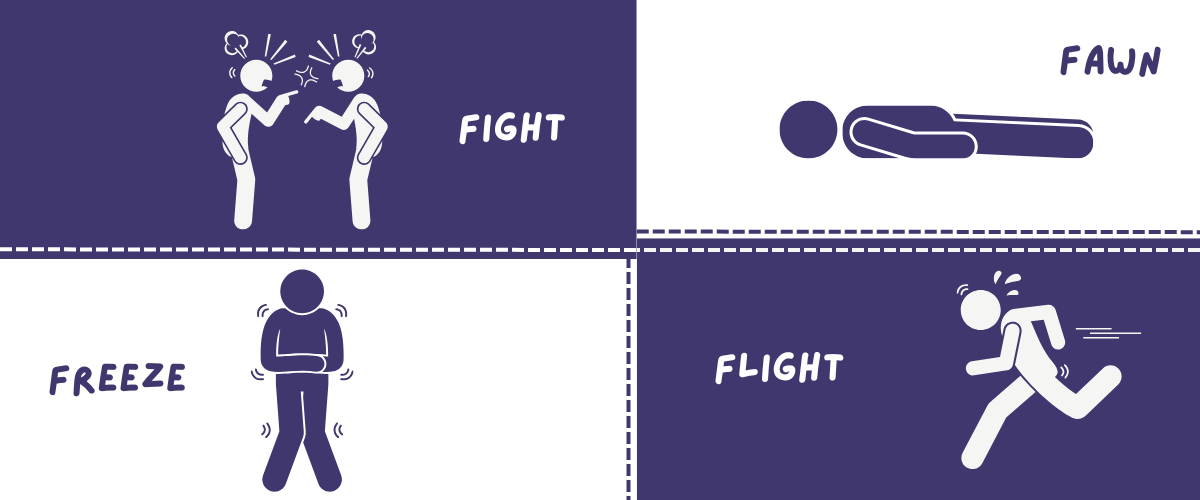
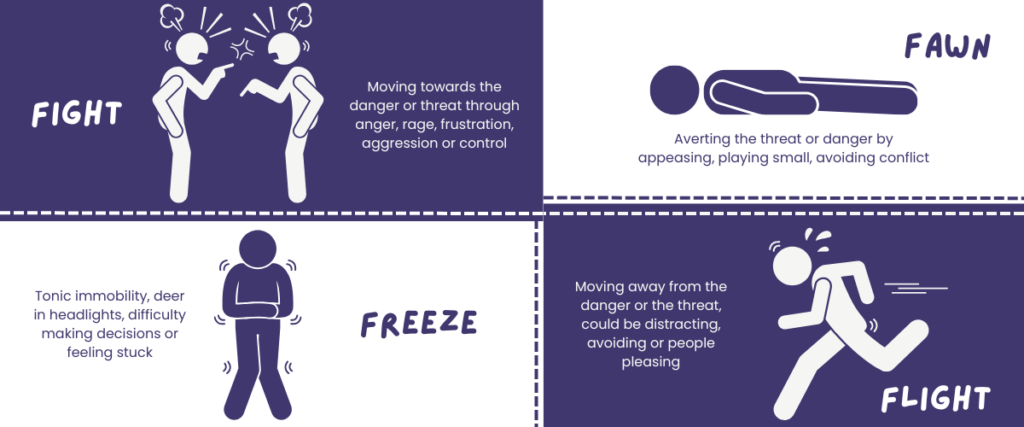
When facing something new, the brain can trigger a fight, flight, freeze or fawn response. Physical symptoms occur like heart racing, sweating or mental blocks. Recognising this reaction is a natural reaction can hep you manage it and practice helpful responses to these symptoms.


2. Reframe To Growth Mindset

Instead of seeing discomfort as a threat, or something negative, view it as a natural occurrence and an opportunity for growth. Fear can be reframed as excitement based on positive psychology theories which can help manage stress and boost performance. Understanding what is occurring also helps move feelings we experience and behavioural responses to a positive.


3. Take Small, Incremental Steps

Moving into discomfort in small, incremental steps helps reduce your brain’s resistance. Learning is more effective when tasks are challenging but not overwhelming. Starting small, with manageable steps ensures that progress is made and the brain is not highly stressed and reduced the risk of fight, flight, freeze or fawn responses. It also allows you to reward progress, celebrate wins and reinforce successes and positive behaviour which builds confidence and motivation.


4. Develop Safety & Support

Having people who support you (e.g. coaches, mentors or peers), who encourage and support you, can help create psychological safety. When we have a network of support, this is proven to lower stress levels and improve resilience when we face challenges and step outside our comfort zone. Being alone and struggling can lead to high levels of stress, as humans need to opportunity to discuss options and talk through options.


5. Visualise, Breathe & Practice

Athletes and performers use mental imagery to prepare for new experiences, and the advent of virtual reality provides huge opportunities for people to practice in the workplace. When success has been visualised, you condition your brain to handle challenge more effectively. This process empowers your brain to think through ‘what could happen’ and potential responses during the process to success. Techniques such as deep breathing, mindfulness and relaxation can help regulate the nervous system and reduce physical symptoms people may experience.


Anxiety is what happens when the nervous system takes over. Organisations have a responsibility for the psychological safety of their employees so it is important to understand, and empower others, to step outside their comfort zones without stepping into panic.


To learn more about creating a psychologically safe culture, how to develop a growth mindset and practice building your own resilience please reach out to us.

More about Workplace Psychology

There’s more about Workplace Psychology in this Think Organisation Post: 99 Ways a Business Psychologist Can Improve Your Workplace


Alternatively, copy and paste this link into your browser: https://cortex.clyq.co.uk/99-ways-a-business-psychologist-can-improve-your-workplace/

How A Growth Mindset Fosters Employee Achievement

Employee engagement and motivation are declining in many organisations, leading to lower achievement, productivity, higher staff turnover, and diminished morale across businesses and the UK. Whilst there are multiple reasons for this, individual mindset is often key. Mindset is a set of attitudes held by someone and is influenced by the environment they find themselves in.


Employee Motivation

The Think Organisation has conducted extensive analysis on employee motivation levels over the last decade across hundreds of SMEs. Motivation, defined as energising behaviour in the pursuit of a goal, is a fundamental interaction of all humans. Yet it is often overlooked, with leaders unsure how they can create an environment to improve motivation.


Extensive research reveals that a lack of achievement and recognition is a major contributing factor to low motivation. Imagine, working hard but not seeing any results from your efforts. When individuals feel that their contributions are meaningful and recognised, they are more engaged, motivated, and committed to their work.


By understanding the psychology behind achievement and success, businesses can create environments where employees thrive and businesses succeed.


A clear sense of purpose is crucial to workplace engagement. Employees who understand how their roles contribute to the wider mission of the organisation will feel a great sense of belonging and significance.


This results in more proactive behaviour, resilience and higher levels of performance. In fact, people who find meaning in their work experience greater job satisfaction and significantly lower negative stress levels.


Intrinsic Motivation

Ensuring intrinsic motivation (driven from within), instead of extrinsic motivation (driven from external rewards) benefits both employees, teams and organisations as well as society as a whole. So how can psychology help with this?


Psychology is the science of human behaviour, based on years of extensive research, it seeks to explain how and why humans behave as they do.


The feeling of success is deeply embedded in human psychology. Achievement activates the brain’s reward system, releasing dopamine (a neurotransmitter associated with pleasure, motivation, and reinforcement). This neurological response encourages individuals to set and pursue further goals, creating a continuous cycle of engagement and accomplishment. Equally, when people are not feeling a sense of achievement, this can cause a negative spiral as less dopamine is released.


Maslow

Psychological theories also highlight the importance of achievement in maintaining motivation.


Maslow’s Hierarchy of Needs identifies self-actualisation (which is the realisation of personal potential) as a key driver of fulfilment.


Humans have basic needs first, food, shelter and survival and won’t focus on much else until this has been achieved. Then, humans move to focusing on relationships and more ‘nice to haves’ which build on meeting the survival needs as they develop to focus on their own personal development and achieving their potential.


In reality, these stages merge across time and situations, however it is a great model for leaders to understand where their employees may be. Employees struggling to make enough money to pay their rent are unlikely to want to focus on development and going the extra mile due to their economic concerns.


Deci and Ryan

Another theory, Deci and Ryan’s Self-Determination Theory emphasises autonomy, competence, and relatedness as critical components of motivation.


Employees who feel in control of their work, believe in their capabilities, and experience meaningful workplace relationships are much more likely to be engaged and committed to both their role and their organisation.


Humans need each component to varying levels but all humans need an element of each of the components.


Reward & Recognition

In reality, achievement in the workplace should not be defined solely by promotions or financial incentives. While these are important, true engagement comes from recognising progress, celebrating small wins, and valuing contributions that align with personal and organisational goals.


One client found that the performance of their highest achiever had started to decline over many months, and the reasons were linked to how the organisation publicly celebrated success in front of everyone. On so many levels the employee, and the organisation, behaved in intrinsic ways which once understood by a psychologist meant this person soon became the highest performer again, beating records monthly and inspiring others to do the same.


Employees thrive when they see tangible results from their efforts. Regular feedback, goal-setting, and recognition help reinforce a culture of achievement. When employees feel that their work makes a difference, they are more likely to be motivated, productive, and committed to long-term success.


Cultivating a culture where achievement is acknowledged and valued, organisations can help employees overcome barriers to engagement. Life often throws challenges at people, which will affect motivation, however, a supportive, dynamic and successful organisation will help support individuals and teams, which ensures high performance is non-negotiable for all. Transparency, consistency and fairness are key.


Growth or Fixed Mindset

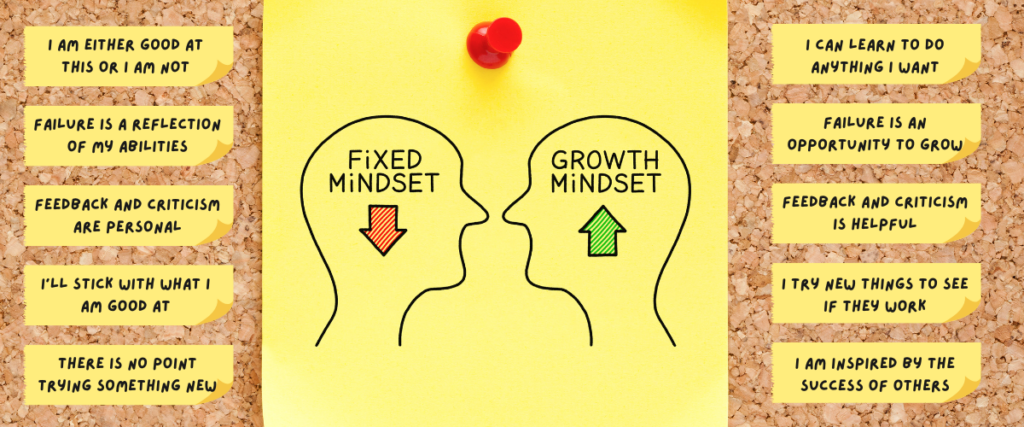
Humans tend to have preferences of either a growth or fixed mindset.


Various factors can impact whether people are facing a problem or situation with a growth or fixed mindset, and leaders who can coach people to a growth mindset have much higher performing teams.


A growth mindset is the belief that abilities and intelligence can be developed through effort. Employees with a growth mindset embrace challenges, seek feedback and remain open to learning opportunities, compared with employees who have a fixed mindset.


A fixed mindset tends to think abilities are unchangeable and innate, and that success can be attributed to individual effort and control. This approach tends to limit personal growth, and organisational performance.


So how can leaders help coach and shift employee mindsets towards a more growth-focused mindset and encourage employees to have a sense of achievement?


1. Understand the Difference Between Fixed & Growth Mindset

Often understanding how these mindsets differ, and that they do exist, can be enough to help people challenge their own assumptions and beliefs.


Using real-world examples to illustrate the impact of each mindset can be invaluable in helping individuals understand their preferences and predispositions.


To do this, at times, the professionals may be needed for stage 2.


2. Reframe Challenges as Opportunities

Encouraging self-reflection can often be easier said than done, and many employees have negative thought patterns contributing to their mindsets.


Leaders, whilst responsible for performance, are often not equipped with the tools needed to help challenge limiting beliefs, and nor would it be ethical for them to try, however, highlighting how their own experience has shifted in light of changing their beliefs can provide insight and encouragement for others to self-reflect.


Coaching questions such as ‘What evidence do you have that this is true?’ or discussions about changes to beliefs and opinions can be invaluable.


Being able to face challenges as positive opportunities can help shift existing belief patterns, however, to address more ingrained beliefs, we’d recommend getting in a professional coach.


3. Encourage an Effort Mindset

Create an environment where people reinforce the fact success comes from persistence, learning and hard work.


Celebrate efforts, rather than just achievement, and support people to make progress and develop – rather than just deliver results.


Don’t have a culture that just focuses on people who ‘can‘ do things and people who ‘can’t’ as many clients pigeonhole employees without having any real evidence or performance measures based on their own perceptions.


Sharing stories of success, and modelling behaviour of how to learn from challenges and develop is key to helping encourage an effort-focused environment and mindset.


4. Cultivate Self-Compassion & Resilience

Many people struggle to practice self-compassion as they have an inner critic of a voice which can often spiral into negative self-talk.


Being compassionate, both to ourselves and others is key, as often we don’t give ourselves the same compassion we would a friend who is struggling or feeling badly about themselves.


Being able to relate to ourselves, and aware of how our own hurtful thoughts and emotions may hinder our performance or impact the reality of situations is crucial.


Kirsten Neff (2003) has loads of helpful resources to support this journey at an individual level and you can measure self-compassion here.


5. Set SMART/OKR Goals & Objectives

Often we have large goals which are difficult to manage or complete, and often cause overwhelm.


One client had the goal of ‘impact 1 million people‘ when their reach was limited to a few thousand.


No one really knew how to achieve this, so it became an underground joke every year they missed their target.


Breaking goals or objectives into measurable steps is key.


These can be SMART or OKRs, or something else that suits your organisation.


SMART goals are: Specific, Measurable, Achievable, Relevant, and Time-bound, which helps maintain motivation and provides a sense of achievement as progress is made towards the larger goals.


OKRs, are Objectives and Key Results. This is where there is alignment between goals and ‘what you want to achieve’ and key results, which are outcomes which indicate progress towards achieving the objective.

More support can be found here on OKRs.


Summary

These steps are not exhaustive but have been proven to help improve a sense of achievement, using the growth mindset approach.


Understanding the psychological aspects of success enables leaders to create a work environment that nurtures motivation. Recognising employees’ efforts, providing growth opportunities, and fostering a culture of continuous learning all contribute to sustained engagement and well-being.


To discuss in more detail, please reach out to us.


More about Motivation

There’s more about Workplace Psychology in this Think Organisation Post: How to Understand Frustration at Work

Alternatively, copy and paste this link into your browser: https://cortex.clyq.co.uk/struggling-at-work-heres-how-to-understand-your-frustration/

How To Manage High Performance at Work

Have you ever asked the question in your workplace – what do we mean by high performance?


High performance is defined as ‘able to operate to a high standard or at a high speed’ (Cambridge, 2025) but what does this look like in the workplace?


Last week, we shared a story about a well-known coffee shop, reflecting on how the employees worked together to problem solve.


This led us to consider:

  • When is high performance enough?
  • When does it become over-servicing?
  • Can high-performance reduce productivity?


Can the very definition of high performance actually lead to poor customer service? After all, receiving a coffee at high speed and to a high standard – is that high performance? Or is the experience, the conversation, and the feeling of connection the real measure of high performance in a coffee shop? It all depends on the customer’s purpose in visiting the coffee shop in the first place.


Think about your favourite coffee shop—whether a local boutique, a large chain, or, like my friend, your own home coffee station. What does high performance look like to you as the customer?


The Performance Curve: Balancing Challenge & Support


Performance Curve


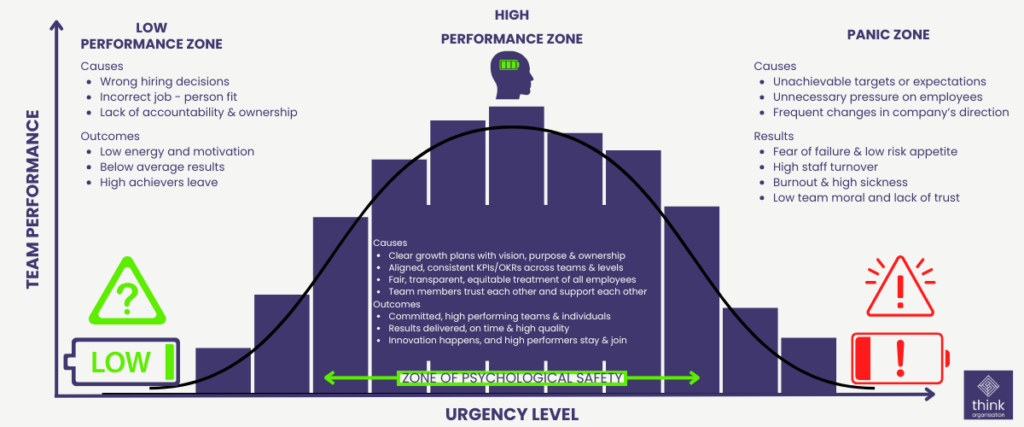
Psychological theory tells us that performance follows a curve (which is often referred to as the Yerkes-Dodson Law – shown above). This principle suggests that moderate levels of stress and challenge can enhance performance, but too much pressure leads to diminishing returns and, in some cases, eventual burnout.


A high-performing team needs to operate at an optimal point on this curve, where there is sufficient challenge to drive motivation but not so much pressure that it leads to disengagement or exhaustion. Leaders play a key role in balancing these factors, ensuring their teams are stimulated but not overwhelmed.


The Role of Psychological Safety in Sustained Performance


For high performance to be sustainable, psychological safety is critical. Psychological safety, as defined by Amy Edmondson, is the belief that one can take risks, make mistakes, and express ideas without fear of humiliation or punishment. When employees feel psychologically safe, they are more likely to contribute ideas, collaborate effectively, and recover quickly from setbacks.


Without psychological safety, teams may hesitate to challenge poor decisions, leading to group-think and stagnation. Conversely, fostering an environment where diverse thoughts are encouraged ensures innovation and resilience, which are both crucial elements for long-term success.


Defining High Performance in Your Workplace

As psychologists, we often work to understand the lens through which people view performance and success. Assumptions, biases, and habitual thinking all shape the way human decisions are made – some are practical, some emotional, some time-bound, and others context-specific. In many cases, there is no conscious thought process involved in decision-making.


Think back to the last time you were in a coffee shop, what was the process of your decision-making about what your ordered? Can you write it down in detail? Explaining all the options you discounted?


If I asked you to explain why the person standing next to you made their decision about their coffee choices – what would you say? Would you know? You may if you knew them well, or you may not have any idea. But imagine if their definition of success was different to yours?


To define high performance for your team, consider these key questions:


  1. What does success look like for our team? – Is it efficiency, creativity, collaboration, or something else entirely?
  2. What is critical to our success? – Are there key behaviours, skills, or processes that underpin high performance?
  3. What behaviours or ways of working are crucial to our success? – Do we prioritise speed, precision, customer experience, or continuous improvement?
  4. What does failure look like for our team? – Understanding what ineffective performance looks like helps avoid missteps and course-correct effectively. Whilst it is important not to dwell on the negative looking at the opposite of success can be extremely helpful and insightful.


Rethinking High Performance: It’s More Than Just Speed

Going back to our coffee shop analogy. . .


High performance is not just about fast service. It’s about the right service, at the right time, in the right way.


In the workplace, high performance isn’t just about productivity metrics. High performance at work is about sustainable, meaningful, and impactful ways-of-working that align with organisational goals, whilst ensuring employees thrive and grow.


By considering the performance curve and psychological safety, organisations can redefine what high performance truly means which benefits everyone.


Organisations who create environments where both individuals and teams thrive, are proven to be more profitable. Repeatably, time and time again after all – Money Matters But People Matter More.


More about Workplace Psychology

There’s more about Workplace Psychology in this Think Organisation Post: Integrate Psychology Into Training to Deliver Optimal Results

Alternatively, copy and paste this link into your browser: https://cortex.clyq.co.uk/how-to-integrate-psychology-into-training-to-deliver-optimal-results/

Three Ways Employee Behaviour Can Impact Your Profit

How we behave at work is down to the individual. Behaviour at work is down to the team, manager, organisation and society. Humans learn behaviours from their lived experience and other people. In reality, no amount of rules, procedures, operating models or surveillance can outweigh having staff who enjoy what they are doing, enjoy where they work, and enjoy who they are working with.

Sitting in a well-known coffee shop this week as I watched two members of staff discussed their recent Area Manager visit. The visit has been positive, which was a relief as we are 12.5 times more likely to share negative stories. The Area Manager had given them some ideas to work on before the next visit and both employees were discussing the options of how they could achieve this request. One highlighted some of the risks, issues and potential pitfalls of some of the ideas was the other came up with broader and broader ideas. After about ten minutes, during which there was some laughter and joviality the staff members had isolated a couple of potential options. They agreed to talk to the others and get their input and catch up later, which was good because at this point there was a run on coffee and cake as the morning rush took hold.

Fast forward a few hours, and I was back again, and a shift change and two new members of staff discuss the same problem as the afternoon lull takes hold. Initially I thought they were having an almost identical conversation to the morning staff but they weren’t. In fact, they were building on what the earlier team had been talking about. Taking their ideas, adding others and playing with options, risks, benefits and plausibility of the suggestions. Again speckled with some joviality, laughter but underpinned with focus: how do we solve this problem/challenge we have been set?

From the outside these behaviours may have appeared unproductive. In reality, to the casual observer these staff members could have been mistaken for not working. They weren’t cleaning tables, or serving drinks. But equally no one was waiting either. What they were doing was communicating with each other and working as a team. They were inspired by this challenge which has been set. It had given them purpose, direction and a focus. It had also given them a reason to work together.

1. Managing Behaviours

With clients, Think Organisation works on a preventative approach wherever feasible. The ability of managers to engage, inspire and provide direction for their team inspires the right behaviours. Not because people are afraid of what might happen if they don’t, but because they want to behave in that way and do a good job. Most people are people pleasers, and like to feel valued – it is part of our innate human psychology. Did you ever turn up at a job on your first day wishing you could be bad at it? Hoping you would get shouted at or belittled by your manager?

We didn’t think so.

2. Behaviour Guidelines

The organisation, and the manager, were clear about how the team could behave. Laughing, joking and talking together was great as long as there wasn’t a line of people waiting. Having a well-used, but clean and friendly, environment was also ok. But in that conversation everyone was aligned about what was ok, what was not and what might be a bit close to the wire. Discussions were had about these suggestions which were close to the wire. Which in many ways, reaffirmed the behaviour guidelines as the staff members discussed their own opinions, interpretations and understanding of what these meant. Interestingly and positively, one of the newer members of staff thanked one of the more experienced members of staff for explaining something to them from their own experience – role-modelling good mentorship.

Do you know what your behaviour guidelines are in your organisation? Do you know what is close to the wire and what is acceptable or unacceptable? Most importantly, do you know why those guidelines are in place?

The challenge is that humans often behave in a way, because that is the way they always have done. It is an unconscious assumption, and can often lead to detrimental far-reaching societal impacts. Talking to a friend earlier this week, I said ‘Ooo, that’s great – I loved it when I was just a Mother.’ The word “just” extends many connotations, and in many ways belittled the huge jump she was making in her career and life to put her family where they needed to be at that point in time. She had also been treated appallingly by her current organisation, who on paper said they were flexible, supportive and inclusive but in reality their treatment of her has led to this decision.

Whilst I noticed my faux pas, of saying the word just, I apologised this manager wasn’t open to the feedback or learning from their behaviours. The behaviour guidelines in this organisation were archaic, gender-biased and not fit for purpose.

Have you assessed your behaviour guidelines? Do you know why people behave as they do in your organisation? Are these guidelines helping deliver profit? Or are they having a detrimental impact on your bottom-line?

3. Freedom To Think

Being able to have the time to reflect, think and process our behaviours and our impact on others is invaluable. It was a previous manager who explained to me about the impact of adding the word just to sentences. Think about it – Are you just having one child? Are you just ok with that? Are you just a mum?

Back to our lived example this week. There was no rule, or time, set aside to allow this team of people to think. They weren’t brought onto a team away day, or pulled together in a large meeting room to discuss the current problem. The manager knew how to plant the seeds to get the problem fixed. Most importantly, by allowing this group of people to think and work together they were creating a team. A team of people who had high trust, psychological safety and brilliant cross-location communication. There were no silos in the problem-solving, and everyone was involved. We will let you know what happens next week, but for now, we will leave you with some practical insights and suggestions which you may find helpful if you want your culture to be the best it can be.

  1. Ensure your boss, and you, have the same understanding of what your job really is. What needs to be achieved, what are the problems and who is going to do what? By when? This does not need to be prescriptive, action based but more goal and solution focused.
  2. Notice, and authentically praise, behaviours which work towards the behaviours your organisation or team needs. Whilst the solution may not have been successful, or what they tried may have failed, this team worked together to solve a problem and they all felt part of it. The positive focus, praise and support each member of staff gave to each other was role modelled on the behaviours of the manager.
  3. Speak and converse as soon as possible, especially if something isn’t right or working as planned. Include how the issue makes you feel, but also the impact on the organisation, team or customer. But don’t make it personal. One action does not make a person. A new starter who makes a mistake won’t have done it deliberately. It could have been they didn’t understand, or they were given misaligned goals or they didn’t have the skills required to succeed. Either way, the way managers response is key to ensuring that employee behaviours have a positive impact on profits.

How To Break The Moaning Cycle For A Productive Workplace

This week has brought with it an abundance of moaning, both at home and in the office. Humans need time to adapt, and while change is inevitable in life, it is essential for businesses to survive. In several offices this week, after the obligatory exchanges about the festive season, people quickly turned to moaning (about the weather, their colleagues, football, the news – it doesn’t seem to matter). Negative Nellies have been rife everywhere.


The definition of a moan, in this context, refers to an informal complaint or grumble where people express dissatisfaction about something, often perceived by others as repetitive or unproductive. So, have you noticed others moaning to you this week? Have you had a greater tendency to moan more than usual?


Moaning can Feel Cathartic

The challenge with moaning is that, while it can feel cathartic in small doses, it can also influence our thoughts, emotions, and behaviours when it begins to dominate. It affects others too, pulling them down and creating a spiral of negativity. Have you measured the levels of employee negativity in your business recently? More importantly, have you assessed the cost of this negativity to your organisation?


Years of research have shown that employees with low morale, those who speak negatively about their company, or those who are disengaged are less productive. In 2024, Gallup estimated the global cost of low employee engagement at $8.8 trillion – larger than the economic output of Japan! This figure represents 9% of worldwide GDP. Imagine if your manufacturing line could produce 9% more output at the same cost, or if your agency team could deliver high standards with 9% fewer resources. What if your company became 9% more profitable? The possibilities are vast, and this is just the beginning.


At Think Organisation, January is always a busy month for us. We help clients analyse the past 12 months’ data to develop the latest benchmarks on organisational culture across UK businesses. Like much other research, the trends don’t look particularly positive. But how can we use this as an opportunity? As many films and adverts have said before: how can we turn frowns upside down?


Step 1: Moaning Context

The first step is to understand the context or environment that has triggered the moan. Was it caused by a recent event, a shared connection, or something deeply important to the person? Often, people join in with others’ moaning to be polite or sociable. But it’s worth considering the source of the moan.


Moaning can occur for various reasons, including seasonal or physiological influences that many people aren’t even aware of. For example, the American Psychiatric Association (2022) found that 40% of Americans experience a significant decline in mood during the winter, with 66% reporting that this negatively affects their behaviour. Key factors include:


  • Decreased sunlight: Lower levels of vitamin D affect mood and sleep regulation.
  • Increased illness: Winter brings higher chances of sickness, which can lead to anxiety and depression.
  • Isolation and hibernation: People feel more fatigued, are less keen to socialise, and prefer to stay warm indoors, which can lead to loneliness.
  • Reduced exercise: Cold, damp weather discourages outdoor activity, reducing the release of mood-boosting chemicals from exercise.


When someone moans to you (or you find yourself moaning!) pause and consider the context:


  • Is there a deeper problem being highlighted?
  • Does the person (or do I) want a solution, or just a chance to vent frustrations?
  • What would the world look like if this issue were resolved?


Step 2: Clarity of Moaning

Once you understand the context, the next step is clarity. Ensure you grasp the issue clearly and simply. Perceptions vary, so it’s vital to investigate, query the reality, and support yourself or the individual in addressing the moan.


Ask yourself: Do they really want help fixing this issue, or do they just need a sympathetic ear? Offering support and empathy while listening can be powerful. Useful questions include: Who? What? Why? When? How? Where?


Instead of asking these directly, reflect on your own behaviour next time you’re mid-moan:


  • Who am I moaning about?
  • What is the issue?
  • Why has it affected me?
  • When did I start to feel this way?
  • How do I want to feel or react?
  • Where do I tend to moan?


Humans have a negativity bias, making us 12 times more likely to focus on negatives than positives. For every 12 moans, there’s just one positive comment. Consciously work on shifting this balance.


For example, in situations like bad weather, ask:


  • What can I control? (e.g. preparing for rain)
  • What can I influence? (e.g. carrying an umbrella)
  • What’s beyond my control? (e.g. the rain itself)


Step 3: Moaning Communication

Moaning can be both addictive and temporarily soothing. Sharing frustrations with someone offers short-term relief, but does it change anything?


Humans are inherently social, and communication is fundamental. Think of the last time you were in a positive environment filled with laughter – how infectious it was! Unfortunately, moaning is just as contagious. When one person starts, others often join in to bond.


To break the cycle, next time you find yourself moaning or in a group of moaners, try this:


  • Will moaning solve the problem? For example, complaining about poor customer service achieves little unless you address this directly with the organisation responsible.
  • Reframe your complaint or moan. Describe the issue factually and explore constructive alternatives. For instance, instead of complaining about rain, consider how it benefits nature or gives you time for your favourite indoor activity.


In organisations, unchecked moaning can create a toxic culture. It’s tough to be assertive and resist joining in, but start small. Notice the moaning and take steps to shift the tone. Reducing negativity can lead to profound changes, not just for individuals but for entire teams and businesses.


For help or support, or a measure of your current culture reach out to us – sam@cortex.clyq.co.uk.


More about Motivation

There’s more about Motivation in this Think Organisation Post: Unlocking Employee Engagement

Alternatively, copy and paste this link into your browser: https://cortex.clyq.co.uk/how-do-you-unlock-employee-engagement-in-the-workplace/

Understanding Others: How To Drive Business Success

In today’s fast-paced, interconnected world, the ability to understand another persons point of view has never been more important. With diverse cultures, perspectives, and beliefs coming into closer contact than ever before, taking the time to genuinely understand others’ viewpoints is a critical skill. Understanding fosters collaboration, reducing conflict, and promoting empathy. Yet how often is this prioritised in your workplace? And if it is not, what can organisations do to improve this understanding?

The first is to understand what personality is, and what it is not. Next, is to understand emotions and how these can influence behaviour. These are then combined with promoting inclusion. With the use of empathy and effective communication also being critical in creating cultures where understanding others is an innate, and the go-to, way of working. So what do leaders need to know?

1. Understanding Personality

Everyone has a personality. Every human being possesses a distinct combination of qualities that form their character. Companies invest millions in trying to select the right person for a role, and as Culture Consultants, we often find that personality is misunderstood, overlooked, or measured using tools that are unreliable, inaccurate, and ineffective. Sadly, this misunderstanding can significantly impact the success of individuals, teams, and organisations.

Understanding personality goes beyond basic assessments; it involves recognising how different traits influence behaviour, communication styles, and workplace dynamics. When organisations make the effort to truly understand the personalities of their people, they can place individuals in roles that align with their strengths. This leads to better performance, higher job satisfaction, and a more harmonious work environment.

2. Understanding Emotions

Emotions are different to personality. An emotion is a feeling derived from a situation, experience, thought or physiological reaction. Emotions are complex, and a fundamental part of the human experience, influencing how we think, behave, and interact with the world around us. Emotions can be powerful drivers of action, shaping our decisions and responses to various situations. Whether positive or negative, emotions provide valuable insights into our internal states, helping us navigate relationships, work, and personal challenges.

Chalk blocks on an orange background showing different emotions which can help in understanding others

Recognising and understanding our emotions, as well as those of others, is key to developing effective relationships. This understanding enhances our ability to communicate effectively, build stronger connections, and maintain mental well-being. Understanding how emotions can impact people’s perceptions of the world is critical, as well as being able to embrace our emotions and the emotions of others when they are displayed. Embracing our emotions, rather than suppressing them, allows us to lead more authentic and fulfilled lives so it is vital emotions are not overlooked in the workplace in our quest to understand others.

Emotional intelligence (EQ) is the ability to recognise, understand, and manage our own emotions while being attuned to the emotions of others. One of the key components of EQ is empathy, and trying to understand another person’s point of view directly enhances this skill. High emotional intelligence is associated with better interpersonal relationships, leadership capabilities, and overall wellbeing. By understanding the feelings and motivations behind someone else’s perspective, we become more emotionally intelligent and adept at navigating social dynamics. This helps build success for individuals, teams and organisations.

3. Empathy, Connection & Conflict

Understanding Others is based on cultivating empathy, which is defined in this image as the ability to feel and understand the emotions of others

Understanding another person’s perspective allows us to cultivate empathy—the ability to feel and understand the emotions of others. Empathy is the foundation of meaningful relationships, both personal and professional. When we try to see the world through someone else’s eyes, we acknowledge their experiences, emotions, and challenges. This recognition helps build a sense of connection, trust, and mutual respect. People feel more valued and heard when their viewpoints are genuinely considered.

Being able to create meaningful connections, through understanding others, helps improve communication across organisations. Diverse perspectives lead to improved problem-solving and higher levels of innovation. Organisations that promote a culture which prioritises listening and seeking to understand different viewpoints empowers psychological safety. It allows employees to expand their own thinking and opens up new solutions to drive forward innovation.

In reality, most conflicts arise from misunderstandings or miscommunications. When individuals focus solely on their own perspectives, they may disregard the reasons or feelings that motivate someone else’s actions or beliefs. By taking the time to understand another person’s viewpoint, we gain insights into their reasoning, which can defuse potential tensions. Understanding doesn’t necessarily mean agreeing, but it creates space for constructive conversations rather than reactive arguments. This further fuels psychologically safe workplaces.

Effective communication is a two-way street, and understanding another person’s viewpoint is essential for meaningful dialogue. When we focus on understanding others, we become better listeners – an essential skill for clear and compassionate communication. Rather than waiting for our turn to speak or counter-argue, we actively engage with what the other person is saying, leading to more thoughtful and constructive conversations. This further fuels empathy and connection, reducing potential conflicts.

4. Inclusion, Diversity & Belonging

Inclusion is about creating an environment where everyone feels valued and respected. Diversity is about have a wide range of people who have different backgrounds, experiences, preferences some of which may fall into protected characteristics. Creating a sense of belonging for people is critical for diversity and inclusion to flourish. Reams of research highlight the benefits of diversity in organisations. But at the heart of this is understanding someone else’s viewpoint. This plays a crucial role in building inclusive spaces.

Inclusion, diversity and belonging is vital whether in the workplace or in social settings. Having the tools and empathy to understand the different backgrounds, experiences, and opinions of others contributes to a culture of respect and belonging. When people feel heard and understood, they are more likely to engage fully, share ideas, and collaborate. This strengthens teamwork and engagement across organisations.

For leaders and team members alike, the ability to understand different viewpoints is vital for fostering collaboration and unity. Leaders who seek to understand their team members’ perspectives are more likely to build trust, loyalty, and engagement. They create environments where employees feel valued, which boosts morale and productivity. In teams, when everyone feels heard and respected, collaboration becomes more fluid, and the group can work more effectively towards shared goals.

Conclusion

In a world that often feels divided, the act of trying to understand another person’s point of view can make a profound difference. Whether it’s building stronger personal relationships, enhancing creativity and innovation, or promoting peace in society, the benefits of empathy and understanding are immense.

Moreover, acknowledging the importance of personality and emotions, especially in the workplace, ensures individuals are supported and organisations are more successful. The next time you’re faced with a differing opinion, pause, listen, and consider the perspective of the person in front of you – you might just find common ground where you least expect it.

What is Happiness? Can Anyone Really Be Happy At Work?

There are hundreds of books written about happiness: what it is, how to achieve it, why it is so important, and why happiness at work is crucial for performance. HBR (2023) highlight research which shows being happy can increase productivity by 13%, whilst being unhappy costs the global economy $8.8 trillion in terms of lost productivity. So if I asked you now, on a scale of 0-10 how happy are you at work? What would you say?

With 16 points to play for in Scrabble, making happiness has clear advantages. But what really is happiness? And can we be happy at work?

What is happiness?

Remember the last time you felt truly happy, have you ever felt truly happy? Have you ever felt truly content? When you think about it, defining happiness or when, where, if you were happy can be difficult. Many people don’t realise they are happy until they are not.

So here are the definitions:

Happiness: the state of being happy

Happy: feeling or showing pleasure or contentment

Which I will be honest, don’t really help. What is contentment or pleasure for one person, may not be for someone else. Plus is happiness a trait? Like ‘Bob is a happy person’, or it is a state ‘Bob looked happy this morning’, or is it a feeling ‘I felt happy this morning’. How often have you felt happy, because for example you got a good score or did something kind, only to feel less happy when someone else ‘out does’ your happiness. Comparisons can be so important when it comes to happiness.

Derren Brown wrote an amazing book called ‘Happy: why more or less everything is absolutely fine’ in which he outlines the history of happiness, defining happiness as a social and historical construct developed since Plato & Socrates (Brown, 2016). But by the end of the book, Derren has the reader questioning whether it is happiness that people should really seek. Afterall, if it is so difficult to define, or understand, how can we aspire to achieve it? Especially within the confines of work.

Happiness is an emotional state, characterised by positive feelings such joy, contentment, satisfaction and fulfilment, as well as life satisfaction.

How Do You Measure Happiness?

Currently, the World Happiness Report claims to measure happiness, after being established in 2012. Led by leading scientists, researchers and experts the 2024 report shows that USA happiness levels have dropped out of the top 20 for the first time since its inception. In reality, this measure focuses on a number of metrics – including health and wellbeing, wealth and perceptions as well as emotions linked to happiness. Yet this is not a viable option for people at work to utilise. So how can we measure happiness at work? Or should we?

No matter which definition used, happiness is positive when, or if, it is achieved. So having people who are happy at work is a definite bonus, imagine if everyone was unhappy at work? In fact, 19% of people across the globe report being unhappy at work (measured by low job satisfaction) according to Gallup (2022). So maybe it is not so difficult to imagine.

Why Does Perception Matter?

Happiness, or being happy, is linked to our personal perceptions. A perception is a belief or opinion based on how things seem. It can be held by an individual, or a group of people. Perception is the quality of being aware of things through your senses, it is how we understand the world around us. Our brains filter and select information, picking up on information we deem important. So perceptions can vary, because it is our brain which decided what we pay attention to. Which is vital for happiness, because in many ways happiness is what we perceive.

Think about focusing on all the good things you have. Spend time on this. Really think about it. Your brain will naturally feel slightly happier than it was because of this positive focus. So in some ways, you can move up the happiness scale – just be reading this article!

Controlling Happiness At Work

In reality, the only thing we can control is our thoughts and our actions. So often, especially at work, we focus on things we cannot control. What others think, how others behave, how rude people are, how much people listen to us, the list is endless. Whilst we may be able to influence some of these aspects, especially as a leader, focusing on what we can’t control is a one way ticket to unhappiness. So how do we increase our happiness at work?

1. Focus On What You Can Control in Your Role

Find aspects of your job which you can influence, focus your time and effort on these, as opposed to elements you can’t control. Deciding how you deliver tasks, how you develop your role is an opportunity to improve your happiness at work. No business, or leader, will be worried if you over deliver your role or job. Think about what the metrics of success are for your job, then work out, how you can increase these, do them faster or to a higher quality, or in a way which save resources. Focusing on what you can control will help improve your own happiness, as well as your effectiveness and efficiency. This will make your boss happy too.

2. Find Opportunities For Growth

This builds on point 1. Look at how you can improve, become more skilled, get better at delivering your role and learn new things. It might be trying different ways to deliver the same thing, or working out how to be more efficient. Find areas which interest you and can help improve your performance. With the advent of the internet learning has become more accessible than ever before. Look at how others have developed or progressed in similar jobs, keep stretching your mind and developing skills to improve your satisfaction and happiness levels. Humans were built to grow, this delivers contentment and creates positive emotions.

3. Look After Yourself

Being happy comes from being present, in whatever form that looks like for you. Having a good night’s sleep, eating healthy and focusing on your own wellbeing is crucial to this. It can be difficult to be happy and have positive emotions when you are in pain, tired or exhausted. But it is possible, many people overcome untold challenges and because they look after themselves manage to be content, satisfied or happy. Undertaking any physical exercise has been proven to raise ‘happiness’ hormone levels, but don’t be hard on yourself. Be kind to yourself. Do what you can.

4. Build Positive Relationships

Having meaningful conversations, connecting with your colleagues and working with others can all have a positive impact on how we feel at work. The degree to which individuals need this connection varies widely, so listen to others as well. The focus is building positive relationships at work. Connecting with people. Have people who support you, whilst you support others, helps promote a culture of positivity. Just smiling at another person has shown to lift how people feel, having a positive impact.

5. Work With Your Values

For many this is really difficult, as often we have jobs just to survive. But generally, it can be possible to work with your values. For example, different organisations have different cultures and produce different products. The key to working with your values, is that you focus on living your values every day at work. Offering to do projects, or help others, in the workplace which align to our values can really increase our perception, or feeling, of how happy and content we are at work. The small things, quickly add up to bigger things so go back to number 1 and focus on what you can control. How can you increase your role to become more fulfilling, especially if you are trained and experienced in your role, talking to your manager is always the first step.

And finally….

So, when we ask the question of whether anyone can be happy at work, think about what this really means, to you and to others. Having positive emotions, positive experience and focusing on what you can control is the start of achieving happiness, which will always ebb and flow throughout our life and experiences.

Why The Most Successful CEOs Focus on Culture

A company’s culture unconsciously influences the decisions employees make. Those decisions that employees make impact the results and success of a business, both directly and indirectly. The culture then impacts how people respond in the moment, especially when decisions are complex and there is no set process. This in turn impacts the results and success of businesses, at a level the majority of leadership teams struggle to grasp.

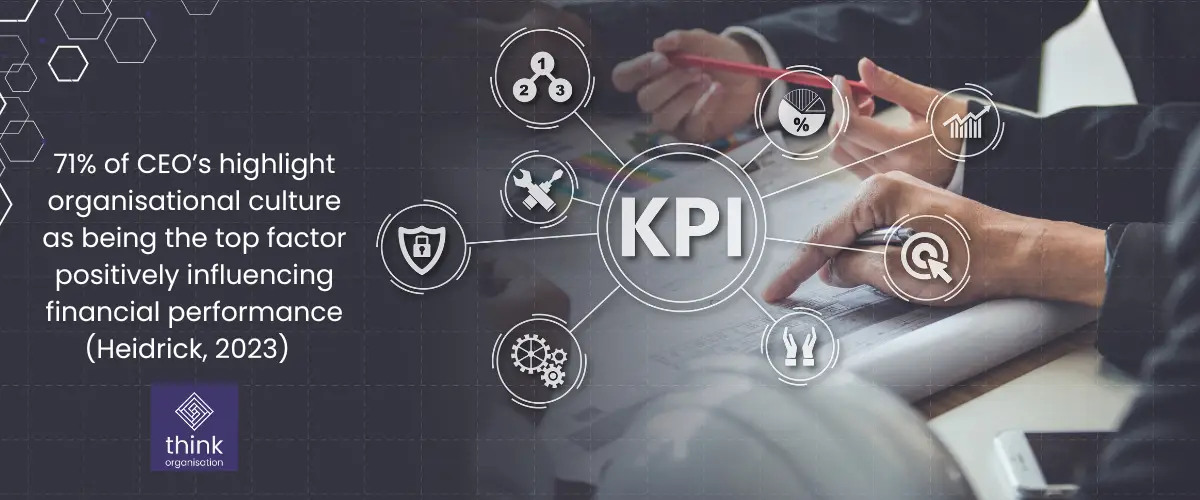
Since 2021, there has been a 44% point increase in the importance of organisational culture according to a survey of over 500 global CEOs (Heidrick, 2023). Yet, the majority of businesses do not have a cultural strategy. Many people attribute the quote ‘culture eats strategy for breakfast’ to Peter Drucker. However, this quote was originally cited by various other influential people and organisations, way before it was attributed to Drucker. This is the impact culture has on people. It influences what we see, what we believe, and the historic myths we attribute to reasons, explanations and ‘the way we do things’.

Have a think about an organisation you have worked for. How would you describe that culture in three words? Is that the same three words others would use? Would other teams say the same? Or would different locations use different strings of words?

Despite CEO’s recognising the importance of culture, recent reports show that many do not know how to harness this concept. It is like it’s too big, too complex or too difficult to tackle. So they continue to say it is important, but fail to make any changes to develop their own culture. With CEOs facing unprecedented pressures on retaining talent, driving transformation and new ways of working, this is precisely when they should be turning to their culture strategy. Over 70% of transformation projects fail (BCG, 2020), and with 53% of CEO’s current reporting to be leading transformation projects (PWC, 2024) understanding culture has never been more vital.

Common cultural myths we see in boardrooms:

Myth 1 – Culture is soft

Sales, operations and finance are all concrete concepts. They can be measured. Everyone is familiar with them and they are easy to set targets on. The challenge with culture is that it involves thoughts, feelings and perceptions. It is difficult to measure, but that said it is not impossible to measure. There are methods to track efficiency in sales, operations and finance whereas in reality it is the culture which impacts all of these. Culture impacts how people behave, make decisions and respond to processes and procedures.

Myth 2 – Culture can’t be managed

Many leaders say ‘culture just happens’. Others say ‘yes it’s important, but you can’t manage it’. In reality, everyday leaders are managing culture but often unconsciously. Their behaviours, the way they respond to employees, what they say behind closed doors – all of this impacts culture. This is why culture can be managed. Yes it can’t be transformed overnight, but it can be cultivated and grown and improved over time. And to do that it needs to be managed, by everyone.

Myth 3 – Human Resources are responsible

Many people say Human Resources and People Managers are responsible for organisational culture. However, whilst there are many metrics that HR can access which indicate the current culture, they are not wholly responsible. CIPD (2023) research shows 99% of FTSE 350 boards have a Financial Director on the board, compared to only 2% who have a People Director or HR Officer. Whilst the skills and experience around the table may be diverse, the research shows the levels of HR expertise at the board is much lower (only 25%) compared to 100% having financial or accountancy expertise. IT, tech and data expertise is prevalent on 57% or boards whilst marketing expertise is on 49% of boards. Therefore, when culture is led from the how the leaders behave it is difficult to link it to HR as their responsibility when this profession is significantly underrepresented at the board table.

Myth 4 – Productivity is about what we do not the culture.

Organisations manage processes, procedures and hope people work in a way of boosting productivity. However, as Simon Sinek outlines it is often ‘how’ we do things which creates the real value for customers. Culture, which impacts productivity, is key to this. Culture guides the unconscious decisions people make whilst working for a company. It guides how helpful, loyal and inclusive organisations are.

Myth 5 – Culture can’t be measured

In the famous book, Measure What Matters by John Doerr (2017), John focuses on how if you don’t measure something then it doesn’t matter, or at least it won’t improve. And this is very true is many ways. So many organisations come up with ideas, but do often fail at the execution. And this is what we are seeing so frequently with culture. Successful leaders say culture matters, but they struggle to measure it. However, just because it is difficult does not mean it is impossible and with over a decade of data taken from measuring cultures it is becoming increasingly easy to measure, observe, analyse and understand organisational cultures at a variety of levels.

Myth 6 – there is no ROI for culture

HR have many of the metrics which can give insight into the impact of culture.

  • Employee turnover
  • Employee productivity
  • Employee satisfaction
  • Net Promoter scores
  • Talent Succession success
  • ROI for training & development
  • Sickness & Absence Rates
  • Regrettable vs Non-regrettable leavers

The list goes on and on. Many of these metrics are costs to the business which push down profit, impact performance and impede employee engagement levels. It is the culture, as in the way things are done, which drives these numbers. Yet, just focusing on the numbers is only one small element of the information, it’s bringing them all together, especially over time, that gives huge insight into the current culture, the direction of culture travel and where changes may need to be made.

However, whilst much of this data is gathered by the HR team, it is important to remember that the HR team is not solely responsible for culture. Often HR teams are under-resourced, have no seat at the board table and are the people who leaders and managers turn to when things go wrong.

Conclusion

In reality everyone is responsible for culture. The leaders to define and role model it. The managers to role model and sustain it. All employees to be part of the solutions.

To know more about how to bring your culture to life for all your employees, reach out to us.

Why Using Psychometrics Is Proven to Add Value to Your Business

Do you want to know more about psychometrics?

Do you want to get to know the members of your team faster and really understand each other?

Do you have conflict bubbling under some of the discussions in your team?

Are you concerned that as a leader you may not be getting the ‘true picture’ of what people think?

This is why you need to use psychometrics.


What are Psychometrics?

Psychometrics are tools which allow productive conversations to happen. They provide a language which empowers teams to have conversations about behaviours. Giving people insight into the ways people work, and importantly how people can work together.

In recent years many businesses have been turning to psychometrics to understand more about their employees. A psychometric is a quantitative tool used to measure psychological variables. Understanding the intelligence, personality traits, and mental health of employees is invaluable. However, there is an increasing number of people using psychometrics for the wrong purpose, or using them to make decisions that they were not intended for. For example, would you use a metric ruler to measure how much a person weighs? Or would you use a set of kitchen scales to measure how old someone is? This is what can happen with psychometrics.

Unfortunately, except for qualified Psychologists, many people only train in one or two psychometrics during their career. Investing significant sums in this training they (understandably) then use the test they have invested in to measure everything. The problem is, that many tests are useful for different situations.

For example, a test used in recruitment might be very different from one used as part of development. Measuring someone’s cognitive ability and trying to develop this is not ideal. Just as making recruitment decisions based on invalid or unreliable tests can lead to discrimination and tribunal claims. So what is the answer?

Here are Think Organisation’s top ten benefits to using psychometrics which will fast track the success of your teams, and therefore your organisation.


Top Ten Benefits of Psychometrics


    Increased efficiency & effectiveness of teams

      Psychometric tests are proven to improve team dynamics. They provide insights into individual team members’ strengths, weaknesses, and working styles, facilitating better team collaboration and communication.

      Improved talent retention

        Psychometrics ensure a good fit between employees and their roles and can help identify candidates whose personalities, skills and values align with company culture and job requirements. This reduces employee turnover rates, leading to increased stability and vastly reduced recruitment costs.

        Targeted Training & Development

          Psychometric assessments can identify specific areas where employees need development, allowing for tailored training & coaching programmes that address individual and team needs. In addition, understanding employees’ motivations and preferred working conditions can help managers create environments that maximise productivity and job satisfaction for all.

          Conflict Resolution

            Insights gained from psychometric testing can be used to mediate and resolve conflicts by understanding the root causes and dynamics, empowering employees to own their resolutions. Having a common language helps prevent further escalations.

            Talent Succession Planning

              Psychometrics accurately measure competencies, desired behaviours, and thought processes and are invaluable for identifying leadership potential. They can also help improve equality and inclusion and develop effective talent pipelines within organisations.

              Increased employee engagement

                Understanding what drives and motivates employees can lead to strategies that increase engagement, satisfaction, and overall morale. Being able to identify skills, attributes and motivation aids in creating psychologically safe environments where everyone is learning for their future.

                Objective Decision-Making

                  Psychometric data provides an objective basis for various HR decisions, reducing biases and promoting fair treatment when the psychometric is grounded in valid, reliable representative data.

                  Customer Relations

                    Employees who understand their own and their colleagues’ psychometric profiles can improve interactions with customers, leading to better service and customer satisfaction.

                    Performance Improvement

                      Regular psychometric assessments can track progress and highlight areas for continuous improvement, aiding performance management for everyone in a team.

                      Innovation and Creativity

                        Diverse teams, assembled based on complementary psychometric profiles, can foster innovation and creativity through varied perspectives and problem-solving approaches. Humans have a bias for people who are similar to themselves due to evolution so psychometrics can ensure a team is created with all the competencies, thought processes and behaviours required.

                        They can also help to bring people in who have strengths that are needed but absent from the rest of the team, balancing the needs for all types of characteristics to strengthen the team.


                        Which psychometric will help us?

                        There are hundreds of psychometrics in the marketplace. Unfortunately many are not valid, reliable or accurate measures of the construct they claim to measure. A psychometric needs to be reliable and valid.:

                        Reliable: ensuring the results are consistent when repeated

                        Valid: ensuring the results measure accurately what they specify, at levels which are consistent and can be differentiated between individuals, teams and organisations.

                        The British Psychology Society provides reviews of psychometrics presented to them for assessment. However, it is important to read the details of the assessment as some tests score very low against their criteria. That said the criteria is a great checklist for understanding whether the test is measuring what it says it is measuring, in a format which does not discriminate against users – BPS Test Review Criteria.

                        It is vital psychometrics are used for the right purpose, and measure what they say. Hiring decisions, development decisions and people’s lives are affected by their results. It is also vital that the feedback given is inspirational and supportive to suit the needs of the individuals, teams and organisation.

                        If you want the highest quality service provision, we would recommend using someone who is trained in the BPS User Level A & B, which is an extensive training program covering ability and personality testing, as well as practical assessments on giving feedback to candidates.


                        What questions should I ask to select a psychometric provider?

                        At Think Organisation we use psychometric measurements to connect the observable with the unobservable.

                        We have compiled a list of questions to help you select the right provider – share a few details and get access to them for free:

                        CLAIM YOUR FREE DOWNLOAD

                        What Every Leader Needs to Know About Culture Consultants

                        Organisational culture is the way things are done in an organisation. Organisational Psychologists are taught how to assess and shape organisational cultures. There is extensive scientific research outlining ways to define, measure or manage culture. Today, it is generally agreed that organisational culture is the deep rooted set of values, beliefs, attitudes and behaviours that define the ‘was we do things’ at this organisation.

                        Within an organisation there are explicit, and implicit, codes on how employees should interact with each other, clients and stakeholders. How an organisation makes decisions is driven by its culture. Any interventions implemented need to be embedded within the organisation to create sustainable change. Researchers, often separate organisational climate from organisational culture. Climate being the current, or short-term, mood of the organisation. Climate can fluctuate widely – often due to external influences and can be positive or negative.

                        The Rise of Cultural Consultants

                        Twenty years ago people used to laugh at our Co-Founder, Sarah Clarke, when she said she could measure and change organisational culture. Sarah started as an Assistant Manager in a well known outdoor retail store which has been poor-performing with high staff turnover. It was here that Sarah successfully changed her first organisational culture. She learnt how to apply the practical elements of her Psychology degree to assess the current explicit and implicit assumptions which were driving the current culture.

                        By working with the team, and the managers, it was a matter of months before the store was high-performing. Under her stewardship staff were engaged, the customers spent more money, and employee sickness decreased significantly. The first employee survey highlighted how everyone felt much better off, with higher general well-being due to the changes made based on the science of human behaviour.

                        A few years earlier, Steph Durbin was delivering transformations in food retail stores which she led as a manager. The ability to set high standards, whilst ‘walking the walk’, and getting involved in role modelling expectations ensured that Steph successfully transformed cultures across her whole suite of stores. At the time Steph followed her instinct, and didn’t call herself a Culture Consultant. She was a manager, and the culture she created highlighted the importance of an aligned way of working. In fact, culture wasn’t something you needed to always be there to manage – it existed on its own.

                        Fast forward twenty years, over 30 industries, plus a collection of internationally recognised qualifications in Occupational Psychology and Executive Coaching. Steph and Sarah find themselves networking with a whole new breed of ‘Culture Consultants’. Whether it is the HR expert who has renamed their title to culture expert, or the health and well-being expert who calls themselves ‘Culture Consultants’ to help market their wellbeing offer.

                        This got the team at Think Organisation thinking . . .

                        What is an Organisational Culture Consultant?

                        A consultant is someone who provides expert advice professionally. They provide expert advice, guidance, and solutions to individuals or organisations in a particular field or industry. Consultants typically have specialised knowledge, skills, and experience in areas such as management, finance, technology, marketing, human resources, or other specific domains. Usually, consultants are hired temporarily, to help solve problems, improve processes, implement changes, or provide strategic direction. Consultants often work independently or as part of consulting firms, and they frequently serve a variety of clients across different sectors.

                        An Organisational Culture Consultant is a specialist who helps organisations assess, understand, develop, and manage their workplace culture. They work closely with leaders, managers, and employees to identify the current culture, define the desired culture, and implement strategies to align the organisation’s values, beliefs, behaviours, and practices.

                        These consultants typically conduct assessments, surveys, interviews, and observations to gain insights into the existing culture. Based on their findings, Organisational Culture Consultants collaborate with stakeholders. They develop interventions, initiatives, and programmes aimed at shaping and improving the culture to support the organisation’s goals, mission, and vision ensuring it is sustained even when they finish their work.

                        Organisational Culture Consultants often provide training, coaching, and support to leaders and teams. They work with individuals, teams and organisations to foster cultures of inclusivity, collaboration, innovation, and high performance. They play a crucial role in helping organisations adapt to change, enhance employee engagement, and create a positive work environment.

                        What should organisations look for in a Culture Consultant?

                        Organisations need to look for experience in changing cultures, backed up by measurements and numbers including impact on productivity, performance and profit.

                        Below is a checklist of questions to help organisations ensure they recruit a qualified and experienced Organisational Culture Consultant, who has a proven track record of delivering measurable ROI.

                        1. Can you please describe your experience of assessing and shaping organisational culture?
                        2. How do you typically approach understanding an organisation’s current culture?
                        3. What strategies and cultural models do you prefer to use for your assessments?
                        4. Can you provide examples of successful culture transformation projects you’ve led?
                        5. How do you ensure cultural interventions are sustainable and embedded within an organisation?
                        6. What methods do you employ to engage leaders, managers, and employees in the culture change process?
                        7. How do you measure the effectiveness of cultural initiatives and interventions?
                        8. Can you share your approach to addressing cultural challenges within diverse or multinational organisations?
                        9. How do you stay updated on industry trends and best practices related to organisational culture?
                        10. What do you believe sets you apart as a Culture Consultant and makes you well-suited to work with our organisation?

                        What are high quality answers?

                        Prospective consultants should be able to articulate their experience in assessing and shaping organisational culture. This involves being able to explain their methodology, the types of organisations they’ve worked with, and the outcomes they’ve achieved. They should be able to provide insights into their approach, such as conducting assessments, surveys, interviews, and observations to gain a comprehensive understanding of the current culture. They should be able to outline some of the theory behind implementing strategies to effect positive change.

                        Organisations need assurance that any cultural interventions implemented by the consultant will be sustainable and deeply embedded within the organisation. Consultants should demonstrate their ability to create lasting change by fostering buy-in at all levels of the organisation, developing internal change champions, and integrating cultural initiatives into existing processes and systems. They should be able to share examples of how they’ve ensured sustainability in previous projects and how they plan to do so in the future.

                        Organisations must see tangible evidence of a consultant’s ability to lead successful culture transformation projects. Consultants should be prepared to provide specific examples of past projects where they’ve effectively assessed, reshaped, and improved organisational culture. A Culture Consultant should highlight their key achievements, such as increased employee engagement, improved performance metrics, and positive impacts on overall organisational health. These examples serve as concrete proof of the consultant’s expertise and effectiveness in driving cultural change.

                        In addition, consultants should be able to provide references for organisations who they have worked with before.

                        If you would like to hear our responses to the questions above please contact us.

                        Think Performance. Think Excellence. Think Impact.

                        Check our Insights page for more valuable information.

                        Adversity – Why Individuals, Teams and Organisations Need Coaching

                        Overcoming adversity and being resilient are all words which are frequently used in our workplaces today. Many leaders contact Think Organisation asking for training or coaching to help themselves, or their teams, learn how to be more resilient. So, it got us thinking….


                        What do organisations really need to know about adversity and resilience to help them be more successful?

                        Adversity is a state or instance of serious or continued difficulty or misfortune. It is something which is based on perception. Perception is the way in which an individual will see, hear or become aware of something through their own senses.


                        Perception is how an individual understands, regards or interprets a situation, behaviour, object or anything they may meet in this world.


                        Everyone has different perceptions so what is adversity for one person, may be mundane for another. Time, experience and life impacts our perception.


                        For one person, overcoming adversity maybe something like being able to get up from the sofa and walk to the shop. For someone else, overcoming adversity may be being able to jump out of a moving plane at 30,000 feet. Another person may find walking into a room of people they don’t know overcoming adversity.


                        A different person may find having a shower for the first time in four years the most extreme form of adversity they have ever overcome. Whereas, another person may overcome adversity by being brave enough to continue posting on social media, despite negative backlash. It may be that another person finds picking themselves up after they have lost someone they love overcoming adversity.


                        All of these statements are examples of extreme adversity which someone has shared about how they have overcome adversity.


                        How do we overcome adversity?

                        Being able to bounce back, and overcome adversity is called resilience. Resilience is multi-faceted and is never constant.


                        Googling ‘resilience‘ leads to swathes of training courses claiming to ‘teach you how to focus on the better parts of your life to adapt to tough events‘.


                        The challenge is that this theoretical training can often intensify issues, especially if not done by a professional (e.g. Psychologist, Counsellor).


                        Imagine reading a book on how to ride a bike, then being expected to ride a bike straight away. This is part of the challenge. Resilience is not just something you can read about to increase it. In fact, often we see people taking a dip in resilience levels once support is introduced.


                        Resilience needs to be cultivated, managed and grown because it is a multi-faceted complex concept reliant on many internal and external factors.


                        It is generally agreed that everyone has a finite capacity for resilience.


                        A person’s competence, confidence, connections, character, contributions, coping strategies and locus of control can all influence their ability to overcome adversity.


                        Numerous research studies have shown the ability to overcome adversity leads to better health, mental wellbeing and life satisfaction (Psychology Today, 2020). It is important to note we are talking about adversity, not extreme events which can result in trauma.


                        Overcoming adversity has the following benefits


                        • Problem-Solving Skills are developed as adversity presents an opportunity to think creatively and overcome challenges which wouldn’t normally be presented.
                        • Confidence is increased when adversity is conquered, as people gain a sense of accomplishment and belief in their abilities to overcome future obstacles.
                        • Emotional intelligence is developed, especially in children, as they learn to recognise their own emotions and empathise with others.
                        • Personal Growth arises as individuals step out of their comfort zones, allowing them to learn valuable life lessons and foster a greater sense of self-awareness.
                        • Builds stronger relationships as people seek support from friends, family and colleagues, often collaborating to overcome problems and sharing struggles which creates a supportive network.
                        • Inspiration grows when adversity is successfully overcome as knowing something had been overcome fuels determination to pursue future endeavours
                        • Compassion increases as people who have experienced adversity firsthand can cultivate compassion and empathy toward others facing similar challenges, many people from diverse perspective are united through adversity.


                        Individuals and Adversity

                        During a time of adversity it is important to be in the moment, being kind to yourself and trusting your instincts to tell you what you need.


                        Often people go through stages of shock, emotion, rationalisation, and struggle to gain their thoughts. However, as the adversity subsides, or when you are ready start to think about:


                        • What does adversity look like for you?
                        • What adversity have you overcome?
                        • What did you learn as a result of this?
                        • How can you ensure you put these learnings into practice?


                        Adversity in Teams

                        At a team level it is important to talk to others, especially as businesses can go through adversity and everyone will have a different perspective.


                        What one team member may find exciting, another may find worrying or someone else might find terrifying.


                        Understanding your team members through psychometrics can help speed up this process, and develop deeper understanding between members enhancing the team’s ability to deal with adversity.


                        Questions to discuss as a team:


                        • What does adversity look like for your team?
                        • How does your organisation respond to adversity?
                        • Is there anything your team can learn from past challenges?
                        • How can learnings be shared across teams?


                        Organisational Adversity

                        How does our organisation define and perceive adversity, and how does this perception influence our approach to overcoming challenges?


                        What specific strategies or resources has our organisation utilised in the past to navigate through adversity, and how effective were they?


                        In what ways can our organisation foster resilience across teams, empowering employees to leverage our collective strengths to better prepare for and respond to future adversities?


                        Leaders Need to be able to Coach

                        In today’s dynamic business landscape, the ability to navigate adversity is essential for organisational success.


                        Understanding and effectively addressing challenges can mean the difference between thriving and merely surviving. Here’s some valuable advice for organisations seeking to enhance their resilience and overcome adversity:


                        1. Perception Matters: Recognise that adversity is subjective and can vary greatly among individuals. What one person perceives as a significant challenge may not hold the same weight for another. Embrace diverse perspectives within your organisation and consider how different perceptions of adversity may influence your approach to problem-solving and resilience-building.

                        2. Proactive Planning: Prepare for adversity before it strikes. Develop robust crisis management protocols, establish clear communication channels, and identify key stakeholders who can provide support during challenging times. Proactive planning allows organisations to anticipate potential challenges and respond effectively when adversity arises.

                        3. Learn from Experience: Reflect on past experiences with adversity and leverage them as learning opportunities. Evaluate the effectiveness of strategies and resources employed in previous challenges, and identify areas for improvement. By learning from experience, organisations can refine their approach to resilience-building and enhance their ability to overcome future obstacles.

                        4. Foster a Resilient Culture: Cultivate a culture of resilience within your organisation. Encourage open communication, trust, and collaboration among team members. Invest in training and development initiatives that equip employees with the skills and resources needed to cope with adversity. By fostering a resilient culture, organisations can empower their teams to navigate challenges with confidence and adaptability.

                        5. Leverage Collective Strengths: Recognise that resilience is not just an individual attribute but also a collective strength. Leverage the diverse talents and perspectives within your organisation to develop innovative solutions to complex challenges. Encourage cross-functional collaboration and knowledge-sharing to harness the collective strengths of your team.


                        Summary

                        Navigating adversity is a fundamental aspect of organisational success. By embracing diverse perspectives, proactively planning for challenges, learning from experience, fostering a resilient culture, and leveraging collective strengths, organisations can enhance their resilience and overcome adversity with confidence.


                        If you would like support coaching your team through adversity please reach out and book a free 30-minute consultation with Think Organisation.


                        Think Performance. Think Excellence. Think Impact.


                        *All statements about overcoming adversity are based on personal experiences or experience shared by others e.g Jack Nolan.

                        Check our Insights page for more valuable information.

                        More about Coaching

                        There’s more about Coaching in this Think Organisation Post: How to Ensure You Have a Credible Coach


                        Alternatively, copy and paste this link into your browser: https://cortex.clyq.co.uk/how-to-ensure-you-have-a-credible-coach/


                        How to Successfully Navigate Stress in Your Life

                        Stress is an external pressure that can positively or negatively impact individuals, teams, organisations or societies. This time four years ago there was an unprecedented level of societal stress – the pandemic. In 2024, the UK was ranked as the second most miserable country to live in (Business Insider, 2024) due to stressors such as high cost of living and political turmoil. Societal stress impacts people’s health and well-being and is classified as an external stressor.


                        A stressor is something which causes a state of strain or tension.


                        External stressors such as a situation, person or task can vary significantly depending on the individual. A stressor for one person may not be for another person e.g. presenting in front of an audience. Stressors are personal and organisations must understand the personal nature of stressors.


                        Stressors can also be internal. Memories, past experiences or thoughts about situations can cause stress. Like the image above, internal stressors such as a negative outlook can contribute to individuals succumbing to stressors. Individuals only have limited personal resources to overcome stressors. Time, quantity and whether the stressor is expected or unexpected all impact an individual’s ability to overcome or deal with stressors.


                        Stress is the pressure exerted on an object or person.


                        The diagram below shows how vulnerable people can be to the stressors impacting them and causing stress. Stressors can be significant (e.g. bereavement) or more mundane (e.g. getting to meetings on time when busy). As shown below the volume of stressors can also impact individuals.

                        Individuals need to own their stressors and there are many tools which can help with this. Below are some key activities which can be used to help reduce the impact of stress, or increase personal resources to overcome or deal with stressors.


                        Reduce the Impact of Stressors – 10 Recommendations

                        1. Identify Stressors
                          • being able to recognise positive and negative sources of stress in your life, including work, relationships, financial concerns, and other factors is crucial as every individual is more or less susceptible to different stressors.
                        2. Develop Coping Strategies
                          • because individuals have unique mechanisms to manage stress which work for them. This might include relaxation techniques such as deep breathing exercises, meditation, yoga, or progressive muscle relaxation, for others it might include a long run or gym workout. The coping strategies must be positive, and not negative (e.g. drinking to relax).
                        3. Prioritise Tasks
                          • ensuring you can organise your tasks, and complete them in manageable steps is essential to ensure you get a sense of accomplishment, and that your task list is not overwhelming. Lots of online tools can help if you pick one which suits your work style.
                        4. Use your strengths
                          • as this is vital to ensure you gain energy from the activities you are undertaking, they also help ensure you enjoy what you are doing, as opposed to having to use additional energy to overcome barriers
                        5. Be Healthy for you
                          • ensure you engage in regular, enjoyable physical exercise and eat a balanced diet. Sleep is fundamental to this equation as ensuring enough sleep enhances your internal ability to cope with stressors.
                        6. Seek Social Support
                          • because humans need connections, we are social animals. Connect with friends, family, or support groups if these help as it is important to have an opportunity to talk about your feelings and concerns with trusted individuals, who can provide emotional support and help you gain perspective.
                        7. Time Management with Stress Limits
                          • because spending excessive time with stressors will impact anyone. This might involve setting boundaries, delegating tasks, or making lifestyle changes.
                        8. Engage in Relaxing Activities
                          • which suit you. Don’t penalise yourself if mindfulness is not for you, many people prefer reading, listening to music, gardening, walking or pursuing other mindful hobbies. Engaging in enjoyable activities can provide a welcome distraction from stressors and allow your mind time to recharge.
                        9. Get yourself a coach
                          • because having someone who can help you increase your self-awareness, acknowledge current challenges, work through tactics to help resolve stressors and be a confidential confidante can be invaluable. Ensure your coach is ICF-accredited and qualified.
                        10. Seek Professional Help if Needed
                          • because it is always important to know there are lots of support options out there. If stress becomes overwhelming or persists despite self-help efforts, don’t hesitate to seek support from a mental health professional. This could be a Psychologist, Counsellor, Doctor or other qualified and accredited expert as therapy and medication may be beneficial in managing chronic stress.


                        Why everyone should measure their level of stress over time.

                        Humans were designed to overcome stress. Stress can be defined as a state of mental or emotional strain or tension resulting from adverse or demanding circumstances. It is the body’s natural response to challenges or threats, whether they are real or perceived. Stress triggers a cascade of physiological reactions, including the release of hormones like cortisol and adrenaline, which prepare the body to either fight the stressor or flee from it (the “fight or flight” response).


                        While acute stress can be beneficial in certain situations, chronic stress, which occurs over an extended period, can have detrimental effects on physical and mental health, leading to conditions like anxiety, depression, cardiovascular problems, and weakened immune function.


                        Reduce stress to improve your health.

                        Measuring individual stress levels is crucial for several reasons. It enables the identification of specific stressors, aiding in their targeted management and prevention of chronic stress. Monitoring stress contributes to overall health awareness, facilitating personalised stress management strategies.


                        Additionally, it enhances self-awareness and mindfulness, leading to improved performance and productivity. Regular assessment also assists in evaluating the effectiveness of interventions and enables early intervention and support when needed, promoting overall well-being and resilience.


                        Often when we are feeling overwhelmed or stressed we get pushed down the more negative road as it becomes difficult to collect our thoughts due to the way our body responds. This is why it is crucial to understand your current levels of stress, and seek professional help when required.


                        Refuse to stress


                        In the UK, organisations have a role to support the psychological well-being of their employees, both morally and legally (HSE, 2024). If you would like to know more about how to measure current levels of stress across your organisation, within teams or on individual levels please reach out to Think Organisation.


                        Think Performance. Think Excellence. Think Impact.

                        Check our Insights page for more valuable information.

                        More about Wellbeing

                        There’s more about Wellbeing in this Think Organisation Post: A Powerful Tool For Mental Wellbeing & Better Health

                        Alternatively, copy and paste this link into your browser: https://cortex.clyq.co.uk/crafting-a-powerful-tool-for-mental-wellbeing-and-better-health/

                        How do you unlock employee engagement in the workplace?

                        Do you enjoy your time at work?

                        We all spend a third of our lifetime asleep and a third of our lifetime at work (OWID, 2024), so it would be perfect if we could all enjoy our time at work. Organisations benefit with higher innovation and productivity when employees are highly engaged (Gallup, 2020). Employee engagement is defined as the level of enthusiasm and dedication an employee feels towards their job. It is about feelings, thoughts and behaviour. Understanding whether you enjoy your work is the first foundation in employee engagement.

                        To enjoy something is to take pleasure in a state, process, activity or action. 

                        Decades of research and experience has led to Think Organisation understanding how a culture is created to drive engagement in the workplace. People need autonomy, mastery, purpose and affiliation to be engaged at work, or even content in life. This is based on the theory of Daniel Pink (2009), McClelland (1961) and Maslow (1954).  

                        Being contented is feeling of happiness or satisfaction. 

                        So think about how much you enjoy being at work? If you had to answer on a scale of 0-10, where would you score? What leads you to this level? How would you increase this level? The chances are it would relate to one of the four categories below.


                        Autonomy

                        Autonomy refers to the ability and freedom for individuals or entities to govern themselves, make their own decisions, and act independently without external control or interference. It implies having the authority and capacity to determine one’s own course of action. In the workplace, this means being able to decide how you fulfil your role. You know what needs to be achieved, but it is down to you to achieve it. The opposite to this is often called micro-management. 


                        To measure your autonomy at work think about how you would respond to the following questions:


                        1. How much control do you feel you have over your daily tasks and decisions at work? 
                        2. Are you able to work independently and make decisions without constant supervision? 
                        3. Do you have the flexibility to choose how you approach your work and manage your time? 
                        4. Are you encouraged to take initiative and innovate in your role? 
                        5. How much input do you have in determining your goals and objectives? 


                        It always helps to answer questions such as this using a 0-10 scale, as this gives more perspective. It also then allows you to think about, if I am at 6 then what would getting to an 8 look like?


                        Mastery

                        Mastery is the state or quality of possessing comprehensive knowledge, skill, or expertise in a particular subject, activity, or craft. It involves reaching a high level of proficiency and understanding through continuous practice, learning, and refinement of one’s abilities.


                        In the workplace, this means being able to do things with you enjoy and give you energy, usually based on your strengths. Mastery comes out of having a psychologically safe culture. 

                        To measure your mastery at work think about how you would respond to the following questions:


                        1. How confident do you feel in your skills and abilities related to your job? 
                        2. Do you feel challenged and engaged by the tasks you perform at work? 
                        3. Are you provided with opportunities for learning and skill development? 
                        4. Do you receive constructive feedback and support to improve your performance? 
                        5. Are you able to apply your knowledge and expertise in meaningful ways within your role? 


                        Purpose

                        Purpose is the reason for which something is done or created, or for which something exists. It involves having a clear sense of direction, meaning, or significance in one’s actions, goals, or endeavours. Purpose often provides motivation, fulfilment, and a sense of belonging or contribution to something greater than oneself. In the workplace, this means more than making a profit, which is an output of business. 


                        To measure your purpose at work think about how you would respond to the following questions:


                        1. Do you feel that your work aligns with your personal values and goals? 
                        2. What motivates you to perform well in your job? 
                        3. Do you understand how your role contributes to the overall objectives and mission of the organisation? 
                        4. Do you feel a sense of fulfilment and satisfaction from the work you do? 
                        5. Are you able to see the impact of your contributions on others or society as a whole? 


                        Affiliation

                        Affiliation refers to the act of associating or connecting oneself with a particular group, organisation, community, or cause. It involves forming bonds, relationships, or alliances with others who share common interests, values, or objectives. Affiliation can provide a sense of belonging, identity, support, and mutual cooperation. In the workplace, this is about having a team you can trust, a group of people who work with you and support you to achieve autonomy whilst ensuring you are not isolated. 


                        To measure your affiliation at work think about how you would respond to the following questions:


                        1. How would you describe the sense of community and camaraderie among your colleagues? 
                        2. Do you feel connected to your coworkers and the larger team or organisation? 
                        3. Are there opportunities for collaboration and teamwork in your workplace? 
                        4. Do you participate in social activities or events with your colleagues? 
                        5. Do you feel supported and valued by your peers and supervisors? 


                        In reality, there are no right or wrong responses to these questions, as it is all based on perception and personal preferences. The value of the questions is to get you thinking, and they can apply to work as well as other facets of your life. All of us need to earn money to feed, clothe and house ourselves and our dependents, which is why we spend a third of our life working. However, what if we could improve our level of enjoyment and contentment at work?


                        Research over the years has shown that improving autonomy, mastery, purpose, and affiliation in the workplace can significantly enhance employee engagement, satisfaction, and overall organisational performance. 


                        10 actions your organisation could do to grow employee engagement


                        1. Encourage a Culture of Trust and Empowerment

                        Foster an environment where employees feel trusted to make decisions and take ownership of their work. Provide opportunities for autonomy by allowing employees to have control over their tasks, schedules, and projects. Understand levels of trust in teams and take steps to improve this if required.


                        2. Promote Continuous Learning and Development

                        Offer training programmes, workshops, and resources to support employees in developing their skills and expertise. Encourage a growth mindset and provide opportunities for employees to learn new things and expand their knowledge. Be mindful that some people will have a strong appetite for learning whilst others may need some encouragement. Understanding people’s learning styles can help with this.


                        3. Clarify Organisational Mission and Values

                        Ensure that employees understand the purpose and values of the organisation. Communicate the company’s mission and goals clearly and regularly, and help employees see how their work contributes to the larger purpose. Involving employees in the evolution of missions and values helps encourage buy-in but is not essential. The quality of the mission and values is how they help guide decisions and ways of working in the real world.


                        4. Provide Meaningful Work for Engagement

                        Design jobs and tasks that are challenging, engaging, and meaningful to employees. Align individual roles with employees’ skills, interests, and career aspirations to increase their sense of purpose and fulfilment. With the introduction of machine learning and artificial intelligence, there are new ways of working emerging daily. Utilising technology to enhance meaningful work is crucial for organisations to remain at the forefront of innovation.


                        5. Offer Opportunities for Collaboration

                        Create opportunities for teamwork, collaboration, and peer support. Encourage cross-functional projects, team-building activities, and social events to foster a sense of affiliation and belonging among employees. Any team which works in silo will be less innovative, less productive and ultimately less profitable. Ensuring effective communication between teams is crucial for employees to be engaged, and organisations to be successful.


                        6. Recognise and Reward Achievement for Engagement

                        Acknowledge and celebrate employees’ achievements, milestones, and contributions. Provide regular feedback and recognition to reinforce positive behaviours and accomplishments, which can increase motivation and mastery. This must be done in an inclusive format to suit the needs and preferences of the individual as well as the collective.


                        7. Promote Work-Life Balance for Engagement

                        Support employees in achieving a healthy work-life balance by offering flexible work arrangements, such as remote work options or flexible hours. Encourage employees to take breaks, vacations, and time off to recharge and prevent burnout. These can be agreed upon through ground rules or ways of working which suit the nature of the business and industry.


                        8. Foster Open Communication for Engagement

                        Create channels for transparent and open communication within the organisation. Encourage feedback, suggestions, and ideas from employees at all levels, and ensure that their voices are heard and valued. It is vital to understand automatic facial expressions and body language as part of this, as just requesting it is not enough. Leaders need to be open to embracing the information when it is offered. Frequently, this requires training and practice.


                        9. Invest in Employee Well-being to enhance Engagement

                        Prioritise employee well-being by offering wellness programmes, mental health resources, and support services. Show genuine care and concern for employees’ physical, mental, and emotional health, which can enhance their sense of affiliation and belonging. Often organisations focus on high-level activities (e.g. yoga at lunch), yet there is a much higher return from having a culture which truly supports wellness. Employees who are not psychologically safe will not be engaged, or high-performing over the long term, and yoga at lunch will not solve this problem alone.


                        10. Lead by Example to grow Engagement

                        Demonstrate leadership behaviours that embody autonomy, mastery, purpose, and affiliation. Set a positive example for employees by showing trust, providing support, communicating purpose, and fostering a sense of community within the organisation. Humans learn from others’ behaviours so role modelling is crucial to ensure high employee engagement is unlocked in your organisation.


                        By implementing these strategies, organisations can create a workplace culture that promotes autonomy, mastery, purpose, and affiliation, leading to higher employee satisfaction, engagement, and performance. 


                        Think Performance. Think Excellence. Think Impact.

                        If you would like help unlocking employee engagement in your organisation then reach out to Think Organisation.

                        More about Motivation

                        There’s more about Motivation in this Think Organisation Post: Can Leaders Really Motivate Their Employees

                        Alternatively, copy and paste this link into your browser: https://cortex.clyq.co.uk/can-leaders-really-motivate-their-employees/

                        Are Poor Team Dynamics Causing You Leadership Frustration?

                        Many clients come to us frustrated about the performance of others. Wasted time, effort or poor quality results from individuals often lead to a whole team not adding the expected value.


                        Team: is a group of people working together for a common purpose, objective or goal.


                        Your role as a leader is multi-faceted

                        You need to be able to lead:

                        1. yourself 
                        2. a team of peers  
                        3. networks of teams, or projects
                        4. stakeholders


                        Technology has ensured many barriers are being broken down. This means a leader needs to ensure value is delivered across wide areas of their business. This has led to an increase in leaders contacting Think Organisation as their teams fail to add the value required.

                        A CEO can account for 45% of a company’s performance.

                        McKinsey (2023)


                        So how do successful leaders ensure their team is delivering value?

                        Value: something which is important, has monetary worth, or is regarded as beneficial or useful  


                        Create effective team dynamics.

                        Successful leaders understand how to understand and utilise team dynamics. This can be either through recognition of natural talent and ability or through skills and strengths training or development.


                        Team dynamics (first introduced by Kurt Lewin in 1947) assume the whole dominates the parts. This means the group can’t be the sum of the individual parts. Because the functioning of the group impacts the behaviour of each member, so, in a high-performing team this is greater than the sum of the parts, and in a low-performing team it is less.  


                        In the 1970’s Lewin’s research was developed by Tajfel and colleagues into social learning theory. This outlines how an individual’s sense of self is based on the groups to which they belong (Tajfel, 1978).


                        Have you ever felt you acted in a way just to fit in with the group? The science of human behaviour has been proven, repeatedly, to improve the value added by teams. Just asking them to be more effective, no matter how motivated they are, often won’t lead to any improvements.


                        Think Organisation has worked with hundreds of leaders, empowering them to understand the relationships between groups (intergroup relations), and between individuals and the group they are in (intragroup relations).


                        Improve negative, or detrimental behaviour

                        Teams with negative, or detrimental behaviours, can be improved without singling out individuals to create more inclusive cultures for everyone. All interventions delivered are based on extensive academic research (Gencer, 2019), grounded in extensive practical leadership experience, empowering attendees to improve performance.


                        Sarah Clarke CDir Fellow ABP researched the relationships between organisational culture, employee engagement and leaders relationships for her MSc in Occupational Psychology. With the advent of social media and other mobile technology, the speed, depth and scale of impact has grown exponentially. This has led to the current need for dynamic leaders who can inspire people, by being able to lead themselves and utilise this headwind created through group dynamics and technology.


                        Many barriers have been removed, and this allows people to identify with several different groups simultaneously. Real-time communication increases an individual’s cognitive identity, with the impact of social learning blurring the lines of teams. This means organisations can be impacted (positively or negatively) much faster than ever before, and that team dynamics can move much faster and be more sensitive.


                        A few pointers: 

                        If you are a leader frustrated about teams not adding the expected (or anticipated) value here are a few pointers:

                        1. Map the group dynamics in your team (inter & intra-group).
                          • Use a 0-10 scoring matrix for the performance/value added by individuals and teams.   
                        2. Ask and listen to your their thoughts, ideas and perceptions about how the they function.
                          • Discuss how value may be improved, empowering team members to work together to overcome challenges, or remove blockers.   
                        3. Ensure you all have clear metrics.
                          • It is crucial to ensure outputs correlate directly with outcomes.
                          • Misaligned metrics can veer a team off course and reduce value exponentially.
                        4. Foster behaviours to create a culture which is psychologically safe.
                          • Be authentic, supporting people to discuss challenges, share ideas as value is delivered in cultures with high psychological safety.
                        5. Utilise agile solutions, such as design sprints, to focus on specific challenges.
                          • Activities which help you work together effectuvely, designed to increase divergent and convergent thinking can lead to exceptional results. 


                        Read the research paper on Network Leadership (2022), which highlights some of the latest thinking, including current models. Getting started often begins with a conversation. So why don’t you share this article with your colleagues?


                        Frequently Asked Questions

                        How can leaders effectively map the dynamics within their teams, both intergroup and intragroup, to identify areas for improvement and enhance value creation?

                        Leaders can effectively map team dynamics by observing interactions within the team, assessing individual and team performance, and gathering feedback from team members about challenges and opportunities for improvement. By understanding how individuals interact with each other and how group dynamics influence behaviour, leaders can identify areas where interventions may be needed to enhance value creation.


                        In what ways can leaders ensure a psychologically safe culture within their teams, allowing for open discussions about challenges and fostering an environment conducive to driving value across different teams?

                        Leaders can create a psychologically safe culture within their teams by fostering an environment where team members feel comfortable expressing their thoughts, ideas, and concerns without fear of judgment or reprisal. This can be achieved through open communication, active listening, encouraging collaboration, and demonstrating empathy towards team members’ perspectives and experiences. By creating a culture of psychological safety, leaders enable teams to address challenges openly and work together effectively to drive value across different teams.


                        Could you provide examples or case studies showcasing instances where your organization has successfully improved team dynamics and increased the value added by teams in various contexts?

                        Our organisation has a track record of successfully improving team dynamics and increasing the value added by teams in various contexts. We have worked with numerous clients to implement strategies for enhancing collaboration, communication, and problem-solving within teams. Through targeted interventions, such as team assessments, training workshops, and coaching sessions, we have helped teams overcome obstacles and achieve measurable improvements in performance and value creation. Our case studies and client testimonials provide evidence of the tangible results we have delivered, and we are always happy to share our insights and experiences with others looking to optimise team effectiveness.


                        Please feel free to reach out to us at – sarah@cortex.clyq.co.uk or steph@cortex.clyq.co.uk.  


                        Think Performance. Think Excellence. Think Impact.  


                        Adapted from an article originally published on LinkedIn, December 14th 2023.

                        More about Leadership

                        There’s more about Leadership in this Think Organisation Post: How to Create Trust – the Invisible Thread of Successful Cultures


                        Alternatively, copy and paste this link into your browser: https://cortex.clyq.co.uk/how-to-create-trust-the-invisible-thread-of-successful-cultures/

                        Are you ready to

                        start your joruney?

                        Take the first step to transform your workplace.

                        Call us on 07123 456 789
                        Email us at sarah@cortexworx.com

                        © Copyright Cortex Worx LTD. All rights reserved. | Website by Clyq