
Tag Archive for: think

Think About Thinking: A Productive New Year Resolution for Leaders

As humans, we think. It’s one of the defining traits of our species. Often, we even think about thinking. What happens when you try not to think? Or someone tells you to ‘clear your mind’?


Thinking is the mental process through which we form ideas, make sense of information, solve problems, and generate new concepts. It is the foundation of human progress. Yet in the workplace, where outcomes are paramount, thinking is often undervalued – because it is so often invisible.


Or is it?


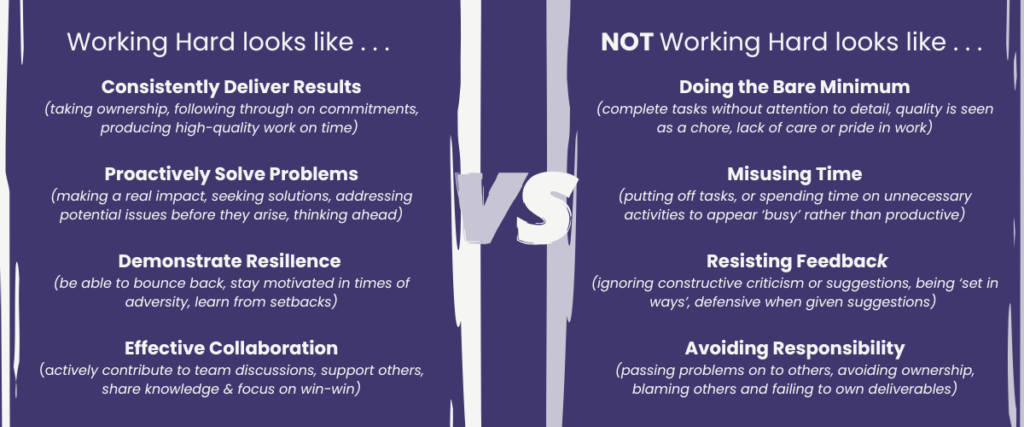
A recent conversation with a client CEO brought this into focus. Before Christmas, they expressed concern that their teams weren’t “working hard enough”. So we unpicked this. Ask yourself – what does it look like to ‘work hard’ versus ‘not work hard’? This client, who supports this post but wants to remain anonymous, said ‘well, they just don’t seem to be doing anything’. ‘Like I saw them all come back from coffee (a team) but they hadn’t actually done anything. Plus some people now work from home more so how so I know they are really working hard?’


What does working hard really mean?

So, have a think. What does working hard truly mean? In our service led economy, if productivity relies heavily on how we think, then as leaders, how do we manage and measure thinking, and it’s value? And how do we harness thinking to set the tone for a more productive and purposeful new year?


Psychologists, and ICF-accredited Executive Coaches, study different types of thinking because it is critical to understanding and supporting organisations, teams and individuals on their journeys. In the workplace, the dilemma is it is often important to ‘look like’ you are doing something and being productive, when in reality thinking is not something we can always see. Unless of course you are hooked up to an MRI whilst you are at work which is unlikely to improve productivity due to the complexity this entails!


Instead, let’s explore three key steps leaders can take to understand better and elevate thinking in their organisations.


Step 1: Spend Time Thinking About Thinking

Take a moment to reflect on your own thinking process.


  • How do you reason through challenges?
  • What tools or strategies help you think more effectively?
  • Think of a time when you struggled to remember something—how did you overcome it?


Thinking isn’t just something we do unconsciously; although the majority of our thoughts will never reach consciousness. It can be an active process that shapes how we interpret experiences, make decisions, and engage with the world. For leaders, understanding different types of thinking can be fundamental in unlocking the drive for productivity in the workplace.


Three examples of how different ways of thinking can add value to organisations:
  • Critical Thinking: the cognitive process of analysing and evaluating information to make logical, reasoned judgements. This thinking process, or style, is essential for making well-informed decisions and delivering solutions.
  • Creative Thinking: the process of generating original ideas or innovative or new solutions. This thinking style, if often at the start of the innovation process and is also called divergent thinking. In reality, divergent thinking is one element of creative thinking. Creative thinking often thrives in environments that encourage curiosity and experimentation, and where psychological safety is high.
  • Reflective Thinking: this style if often one of the most challenging as it involves reviewing and contemplating past experiences or actions to extract learnings and insights. Understanding others’ feedback, and seeing things from different perspectives means reflective thinking is a powerful tool for personal and organisational growth.


While these three types are well-known, Psychologists think there could be multiple types of thinking with many agreeing on 7-9 different thinking styles as a minimum. Each style of thinking plays a role in how individuals and teams navigate challenges and opportunities, especially when there is conflict between the styles.


Back to our client. One example they gave us was when someone had come up with a long list of new ideas and suggestions, and that had infuriated them. However, this came down to the leader’s expectation setting as what they actually needed to solve this problem was to make a decision. Ensuring an understanding of the problem you are trying to solve, and where you are in that process is fundamental to effective and productive thinking.


As we move into a new year, forward-thinking leaders often focus on organisational productivity. Instead of equating visible busyness with effectiveness, there is an opportunity to foster a culture that values thinking too. So what is the second step?


Step 2: Understand the Effort Behind Thinking

Thinking is not effortless. It’s shaped by emotions, behaviours, physiological & psychological states, and the situation at hand. Moreover, individuals often have preferred thinking styles, which can be measured through psychometric tools such as those endorsed by the British Psychological Society (BPS).


But why should leaders care about how their teams think?


Many negative stories occur because of how teams think. Group-think is a common issue for leaders, with social interactions and hierarchies leading to a lack of challenge, innovation and productive thinking. How often have you thought ‘I could have told them that would happen?’ but you didn’t feel safe to share your concerns earlier in the process?


In practice, humans use multiple types of thinking in tandem to solve problems. This interplay drives innovation and productivity. Measuring and understanding how teams and organisations think is growing since the spotlight has turned to collective thinking. That is, how teams collaborate to generate ideas and make decisions. The infamous Post Office Horizon scandal is a cautionary tale of how flawed collective thinking can lead to devastating consequences. History is littered with organisations dying because their thinking was unproductive, lacked innovation and did not successfully solve the problems they faced.


Step 3: Think About The Plan

A plan gives you purpose and direction. This time of year is a great time to reflect on thinking practices which have led to where you, your team and your organisation are. Where were you last year? Where do you want to be next year?


We encourage all leaders to consider making the commitment to embrace thinking as a critical component of leadership and team performance.


To do this, Think Organisation encourages you to:


  1. Focus on Reflection
    Build time into team meetings or workflows for reflective thinking. Use the insights to improve processes and strategies.
  2. Foster Creativity
    Create environments where team members feel safe to experiment and share ideas without fear of judgement or failure.
  3. Invest in Development
    Provide training or resources to help individuals develop their critical and creative thinking skills.
  4. Recognise the Invisible
    Celebrate the tangible outputs of work and also the thinking that leads to them.


By prioritising thinking, leaders can unlock greater innovation, engagement, and success in 2025. After all, the future belongs to those who not only do but also take the time to think about how they do it.


Finally, we worked with our client to understand what ‘working hard’ looks like compared to ‘not working hard’. The results are shown below and now formed part of their behavioural frameworks and selection processes going forward.


More about Workplace Psychology

There’s more about Workplace Psychology in this Think Organisation Post: Power Psychology – How to Unlock The Secret of Boardroom Dynamics

Alternatively, copy and paste this link into your browser: https://cortex.clyq.co.uk/power-psychology-how-to-unlock-the-secret-of-boardroom-dynamics/

Teaching Leaders How To Think: Ten Tips

Leadership today is more complex than ever, and as the world continues to evolve, leaders must face challenges that often have no historical precedent. Humans need to learn how to think.


Leaders especially.


Forbes (2022) outlined that the most important lessons often occur through experience. Current scientific research suggests that 70% of learning happens through experience, 20% through interactions or discussions with others, and 10% through being ‘told’ or formally ‘taught’ what to do (McCall et al., 1980).


Yet how does this work where the speed of change is ever increasing and no one has yet experienced leading businesses of today?


In such an unpredictable landscape, the ability to think critically, make informed decisions, and adapt quickly has never been more crucial. Whether navigating emerging technologies like AI, facing crises or guiding teams through uncertainty, effective decision-making is a cornerstone of successful leadership.


Yet what is a successful leader?


Despite the existence of millions of books on the subject of leadership, there is no definitive way to classify a successful leader. Have you ever seen a ‘Perfect Leader’ profile, complete with the skills, expertise, and experience that guarantee success?


Many excellent leaders have faltered when changing roles or taking on new challenges, while other, less successful leaders have learned from their mistakes and become better as a result.


Below is Think Organisation’s top ten tips for helping leaders think clearly and make better decisions:


1. Develop Self-Awareness

Leaders must first be aware of their own thought processes to make sound decisions. This means identifying biases, assumptions, and emotional responses that could cloud judgement.


Self-reflection can help leaders recognise when they are making decisions based on impulse or habit rather than careful consideration. Take time to assess your motivations and understand what drives your decision-making.


Psychometrics (accredited by the British Psychology Society) are the best tools for this, and you can also get feedback from others, speak to trusted colleagues and analyse your decision-making processes.


2. Embrace Diverse Perspectives

No leader has all the answers, especially when dealing with unprecedented challenges.


Surround yourself with diverse voices, and actively seek out opinions that differ from your own. This minimises the risk of group-think and also provides a broader understanding of the problem at hand.


Diversity in thought can lead to more creative, innovative solutions that a single perspective might miss.


Building a diverse team is fundamental to success, however, this doesn’t guarantee diversity of thought.


High levels of psychological safety are paramount to ensure everyone feels listened to and can share their thoughts and ideas.


3. Leverage Data (and Harness Intuition!)

In today’s data-driven world, it’s tempting to rely solely on analytics to make decisions. However, effective leaders know that intuition, built from years of experience, also plays an essential role.


Whilst data provides insights and trends, your gut feeling may give you the nudge you need to act in ambiguous situations where data may not be conclusive. Balancing both ensures a more holistic approach to decision-making.


It is vital that leaders work out what information is being led by data, and what is being led by feelings and emotions. Intuition arises because our brain processes vast quantities of information automatically and unconsciously, so whilst it can be wrong, it can be useful to ‘tune in’ and listen to it.


4. Think Patience Before Action

In fast-paced environments, leaders often feel pressure to make decisions quickly. However, haste can lead to errors.


Whenever possible, take a moment to pause and reflect before acting. This pause can give you time to evaluate the situation more carefully, consider alternatives, and make a more deliberate decision.


Sometimes, slowing down is the key to better judgement.


Time To Think, written by Nancy Kline, provides amazing insight into how to do this. Whilst the process may not work for every organisation or leader, harnessing it and adapting it to suit can be invaluable. Leaders who have undertaken coaching which included reading this book, have seen vast improvements in their ability to think.


5. Focus on Outcomes, Not Outputs

In the face of immediate challenges, it’s easy to focus on quick fixes. However, effective leaders always keep long-term goals in mind.


When making decisions, consider not only the short-term benefits but also the potential long-term consequences. This future-oriented mindset ensures that decisions contribute to sustainable success rather than just addressing immediate issues.


Organisations often focus on hitting targets, and whilst these may help organisations achieve their goals often they become detrimental, leading to in-fighting between teams and a lack of resource collaboration.


6. Foster A Culture of Experimentation

In times of uncertainty, the right decision is often unclear. Organisations often put more pressure on making the ‘right’ decision when times are tough. Leaders can mitigate this by fostering a culture of experimentation.


Encourage your team to test small-scale solutions and learn from the results. This agile approach allows for real-time adjustments and minimises risk while ensuring continuous learning. Failure in this context is not a setback but an opportunity to refine strategies.


Many highly successful tech companies have managed to the harness this culture of experimentation.


The Agile mindset, or agile approach, is very different to the more traditional project management techniques.


7. Think about Emotions

Emotions play a significant role in decision-making, often in ways we are unaware of. A leader’s ability to manage their emotional reactions can greatly impact the quality of their decisions.


When faced with high-pressure situations, take steps to regulate emotions through techniques such as breathing exercises or cognitive behavioural coaching. Emotional intelligence helps leaders remain calm, focused, and objective.


Understanding the different types of intelligence humans have is fundamental to improving emotional management. Emotions are there to protect us, but it is important to see when they could be doing harm as well.


Emotions infect others, so a leader who is angry and stressed will create more angry and stressed employees.


8. Recognise Cognitive Bias & Manage It

Human beings are naturally prone to cognitive biases – mental shortcuts that can distort thinking. They kept us alive for years but can be less helpful in today’s world. For example, confirmation bias can lead leaders to seek out information that supports their existing beliefs, while availability bias can cause an over-reliance on recent events. Being aware of the numerous biases is the first step in counteracting them.


Encourage critical thinking and question your assumptions to ensure your decisions are grounded in reality. Ask yourself, and your team, could we have been prone to any of these cognitive bias?


9. Learn, Learn, Learn

The most successful leaders are those who recognise that learning never stops. Whether through formal education, peer discussions, or hands-on experience, leaders must constantly seek out new knowledge to stay ahead of emerging challenges.


The “70-20-10” learning model – 70% through experience, 20% through interactions with others, and 10% through formal learning – highlights the importance of learning through doing, which is especially relevant in unprecedented times.


In many ways this tip links the other 9 together, as mistakes will be made, and no one is perfect. However, the ability to continuously learn, continuously improve and work together is fundamental to the success of harnessing the power of thinking.


10. Trust Your Team

Leaders cannot do everything themselves. In complex and rapidly changing environments, leaders need to empower their teams to make decisions at various levels.


By fostering trust and providing employees with the necessary skills and autonomy, leaders enable more effective decision-making across the organisation. This not only builds a more resilient team but also allows leaders to focus on strategic issues without getting bogged down in operational details.


Trust is created when people are able to deliver what they say they will, asking for help as they go. Being dependable, and ensuring you are communicating honestly with the people around you helps build trust.


Read Ken Blanchard Trust Works to know more.


So What?

Today’s leaders are navigating a rapidly changing world where decisions must be made without historical precedent.


Employees have more freedom than ever before, but archaic leadership styles can be detrimental to this new way of working.


By staying self-aware, embracing diverse perspectives, balancing intuition with data, and fostering a culture of experimentation, leaders can make better decisions in uncertain times.


Being able to think clearly, understand different opinions, beliefs, ideas and how these impact effective decision making is fundamental to organisational success.


Above all, it is essential to remain emotionally grounded, continuously seek learning, and trust your team. In doing so, leaders can navigate the complexities of today and be prepared for the unknowns of tomorrow.


More about Leadership

There’s more about Leadership in this Think Organisation Post: Authenticity For Leaders

Alternatively, copy and paste this link into your browser: https://cortex.clyq.co.uk/why-all-leaders-need-to-be-authentic/

THINK: How Can You Help People and Organisations Think?

Words convey how we think by serving as vessels for our thoughts, ideas, and perceptions, reflecting our cognitive processes and the depth of our understanding.


Words create reality.

The co-founders of Think Organisation took many months to agree what the Think Organisation should be called because of the power of words. Words possess immense power, shaping beliefs, emotions, and actions. They inspire, console, educate, and influence. With words, we connect, heal, and build. They reflect culture, shape identities, and preserve legacies.


Words empower, transform, and define the human experience, resonating deeply within hearts and minds.


Why is the word ‘think’ so important to organisations?

The word ‘think’ is vital to organisations as it prompts critical analysis, innovation, and strategic decision-making. It fosters a culture of creativity, problem-solving, and continuous improvement. Through thoughtful consideration, teams devise effective solutions, anticipate challenges, and adapt to dynamic environments, driving success and sustainability. Everyone in an organisation needs to think.


Successful organisations provide structure, employment, and invaluable societal contributions. They offer goods, services, and innovation, shaping communities and driving economies. Through collaboration and purpose, organisations fulfill needs, foster growth, and drive progress, enhancing quality of life for individuals and society. Every organisation needs people to exist.


Everyone has a brain.

People’s brains power organisations, driving innovation, collaboration, and productivity. Individuals bring diverse skills, perspectives, and creativity, while collective intelligence shapes strategies and solutions.


Successful organisations harness human potential, fostering growth and adaptability to thrive in dynamic environments, creating value and benefiting society as a whole. Because every person has a brain, which processes information, everyone needs to think.


Everyone needs to think.

This act of processing information is called thinking. If someone has a particular belief, opinion or idea about someone or something this is a thought.


Thinking is the cognitive process of analyzing, evaluating, and synthesizing information to make decisions, solve problems, and generate ideas. It is the foundation of innovation, problem-solving, and strategic planning. The power of thinking lies in its ability to drive creativity, adaptability, and progress, shaping individual and organizational success.


Every organisation has people.

This is the only truth about any organisation. In fact, no organisation can exist without at least one person. Even the word organisation is important – it means a group of people with a particular purpose. This could be business, a charity or a government. The key is that people work together in an organised way towards a shared purpose. A school is an organisation. A social enterprise is an organisation.


Many businesses function but don’t have a truly shared purpose. How can you be successful if you don’t know the purpose of your organisation? Profit is not purpose. It is an output. People and planet will not survive if profit is the purpose, neither will the organisation.


Organisations need sustainable thought.

Organisations need a clear purpose to flourish sustainably. A shared purpose aligns teams, energises efforts, and fosters resilience amid challenges. It guides decision-making, inspires innovation, and attracts talent and stakeholders who resonate with the mission.


Purpose-driven organisations cultivate loyalty, trust, and societal impact, essential for long-term success and survival.


Think Organisation

These two words bring together the essence of helping people. Helping people to understand themselves, and others.


By doing this Think Organisation empowers organisations to prosper and thrive. Everyone can be more effective using the power of psychology. Harnessing the science behind behaviours, emotions, and motivations allows companies to create environments and cultures where every individual prospers and grows – enabling the collective to benefit.


Organisations need to think. Humans need organisation.


Envision a thriving work environment where individuals collaborate, support one another, and freely express themselves. Here, using their intellect to innovate and tackle organisational challenges is encouraged. It’s more than following orders or completing tasks; it’s about critical thinking and problem-solving, not mere automation.


Take Time to Think

Firstly you need time. Being able to take time to think has been proven to improve effectiveness of individuals, as well as teams and organisations1. Nancy Kline discussed how to create Time to Think in her book which we highly recommend. As a summary, Think Organisation recommend organisations to focus on:


  1. Setting Clear Goals & Priorities
  2. Breaking down complex problems
  3. Gathering information & opinions
  4. Considering multiple perspectives
  5. Reflecting & Learning (continuously!)


Communication is key

Secondly you need other humans. Being able to share ideas, talk through issues and solutions is fundamental to a thinking organisation. To do this everyone needs to be able to communicate their thoughts effectively. As a summary, Think Organisation recommend organisations to focus on:


  1. What is being communicated:
    • the content, message, or information being conveyed, including key points, details, and objectives.
  2. When it is being communicated:
    • the timing or schedule for sharing the information, considering factors such as relevance, urgency, and audience availability.
  3. Why it needs to be communicated:
    • the purpose or rationale behind sharing the information, whether it’s to inform, persuade, motivate, or address specific needs or challenges.
  4. Who needs to do the communication:
    • the appropriate individuals or stakeholders responsible for delivering the message, considering factors such as authority, expertise, and relationship with the audience.
  5. How is best to communicate it:
    • the most effective methods, channels, or platforms for conveying the message, taking into account factors such as audience preferences, accessibility, and the nature of the content.


The THINK Model

To do all of this, we always recommend the T.H.I.N.K. model, which has been revised many times by many practitioners over the years.


  1. Is it true? Ensure information is based on fact, evidence or personal opinion (not hearsay)
  2. Is it helpful? Ensure sharing the information benefits others (not just yourself)
  3. Is it inspirational? Ensure the information will help things to move forward, ideally positively.
  4. Is it necessary? Ensure it will help things, that by sharing information things could change.
  5. Is it kind? Vital to ensure information share is sensitive, appropriate and done in a safe manner.


Conclusion

By leveraging the T.H.I.N.K model as a way of communicating, individuals can support others and help foster a culture where people can think and communicate effectively.


The Think Organisation empowers organisations to foster a culture of creativity, collaboration, and critical thinking, supporting leadership teams and boards to drive forward-looking strategies and solutions.


To learn more about how this T.H.I.N.K can benefit your organisation reach out to us at Think Organisation.


Think Performance. Think Excellence. Think Impact.


  1. Kline (1999) – Time to Think ↩︎

More about Motivation

There’s more about Motivation in this Think Organisation Post: Why Organisations Need to Stop Making Inclusion Exclusive

Alternatively, copy and paste this link into your browser: https://cortex.clyq.co.uk/inclusion-why-organisations-need-to-stop-making-inclusion-exclusive/
Are you ready to

start your joruney?

Take the first step to transform your workplace.

Call us on 07123 456 789
Email us at sarah@cortexworx.com

© Copyright Cortex Worx LTD. All rights reserved. | Website by Clyq