Tag Archive for: stress

How to Successfully Lead & Reduce Stress

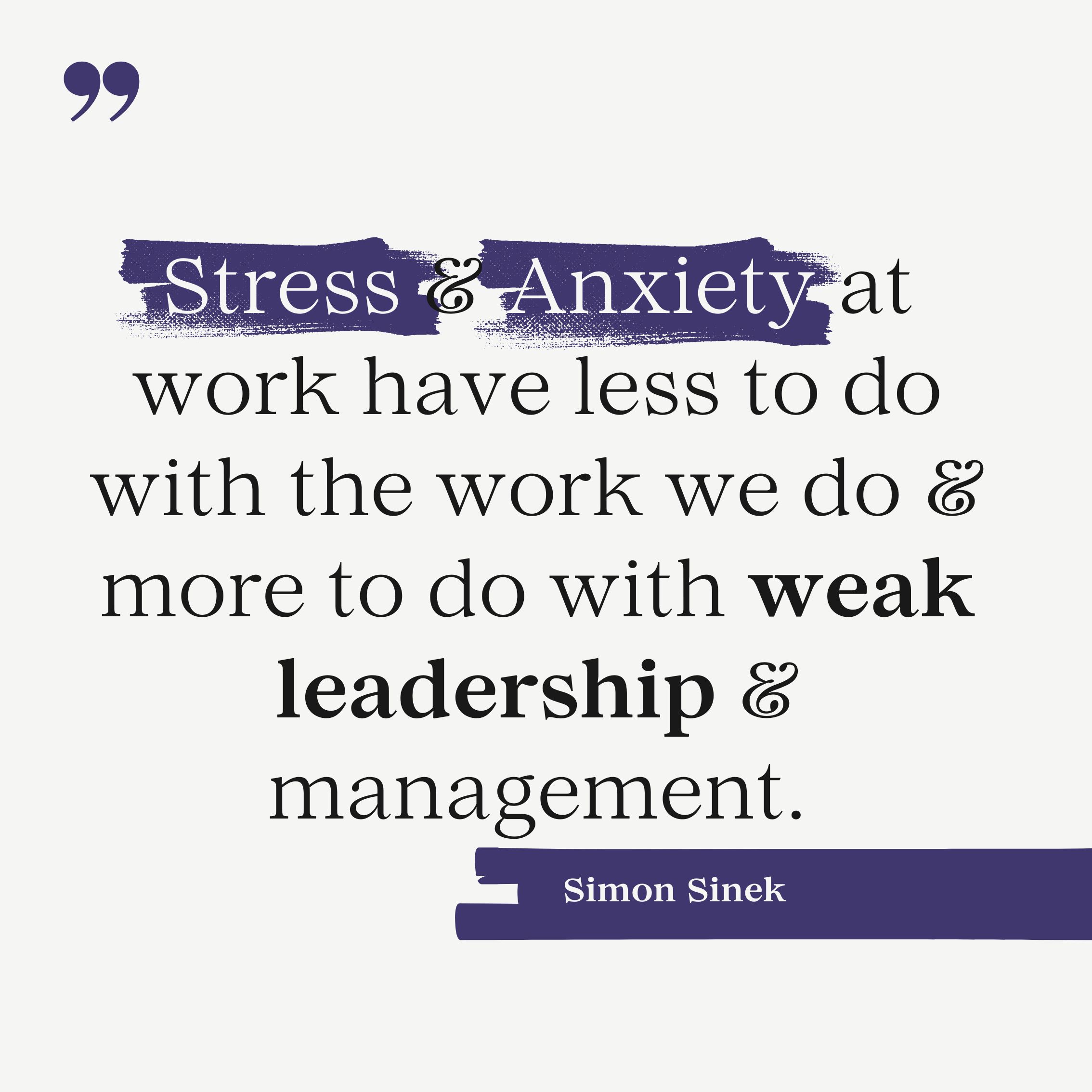
Leaders are vital to reduce stress

Leaders play a vital role in reducing employee stress by fostering open communication, empathy, and support. Setting clear expectations, creating work-life balance initiatives, and recognising efforts – they all help create a positive environment where employees feel valued and heard.


Providing resources for stress management, promoting self-care practices, and addressing organisational stressors contribute to a healthier workplace culture.


Leaders can cultivate an environment where employees can thrive and flourish by leading by example and continuously seeking feedback for improvement.


Organisational Stressors

Stress caused by an organisation, often called organisational stress, encompasses the psychological and physical strain experienced by employees due to various factors within the workplace environment.


This type of stress can arise from excessive workload, unrealistic deadlines, unclear job roles, poor communication, lack of support from supervisors or colleagues, perceived unfair treatment, inadequate resources, or toxic work culture.


Organisational stress can lead to decreased job satisfaction, impaired performance, burnout, and negative health outcomes if not effectively managed.


A Healthy Culture Reduces Stress

Culture in an organisation plays a more significant role than well-being yoga in promoting health and well-being due to its pervasive influence on employees’ daily experiences and behaviours. While yoga sessions can offer physical and mental health benefits, a positive organisational culture provides a supportive framework which extends beyond individual activities.


A healthy culture prioritises employee well-being at its core, fostering an environment where individuals feel valued, supported, and respected.


This includes promoting work-life balance, encouraging open communication, recognising achievements, and providing opportunities for growth and development. In contrast, well-being yoga, while beneficial, addresses only one aspect of employee well-being and may not address broader cultural issues.


Identify Systemic Issues Which Cause Stress

Moreover, a positive organisational culture contributes to stress reduction by addressing systemic issues such as excessive workload, poor management practices, or a lack of work-life balance policies.


By promoting a culture of collaboration, trust, and empathy, employees are more likely to feel psychologically safe and supported in managing their stress levels effectively.


Ultimately, whilst well-being initiatives such as lunchtime yoga can complement efforts to promote health and well-being, a positive organisational culture serves as the foundation for creating sustainable, long-term improvements in employee health, engagement, and overall performance.


Top Ten Things a Manager can do to Support Employees

  1. Set Clear Expectations

    • Provide clarity on job roles, responsibilities, and performance standards to minimise ambiguity and prevent unnecessary stress.
    • Support people to understand their roles.
  2. Foster Open Communication

    • Encourage regular dialogue with employees to understand their concerns, challenges, and ideas for improvement.
    • Be open to feedback.
  3. Promote Work-Life Balance

    • Offer flexible work arrangements, encourage the use of vacation time, and discourage overworking to support employees’ well-being outside of work.
    • Be flexible to the needs of employees.
  4. Recognise and Appreciate Efforts

    • Acknowledge and celebrate employees’ achievements and contributions to foster a positive work environment and boost morale.
    • Be authentic in your praise.
  5. Provide Resources and Support

    • Equip employees with the tools, training, and support they need to perform their jobs effectively and manage stressors.
    • Ensure everyone is set up for success with the resources required.
  6. Encourage Self-Care

    • Promote healthy habits such as taking regular breaks, staying physically active, and practising mindfulness to help employees recharge and stay resilient.
    • Be mindful that people relax in different ways and don’t use a one-size-fits-all approach.
  7. Lead by Example

    • Demonstrate healthy work habits, manage stress constructively, and prioritise self-care to set a positive example for employees to follow.
    • You need to role model behaviours.
  8. Address Organisational Stressors

    • Identify and address systemic issues within the organisation, such as excessive workload or poor communication, to alleviate stress at its root cause.
    • Provide clear measurements of progress and be aware that stressors can also have a positive impact in the short term e.g. productivity.
  9. Empower Employees

    • Delegate tasks and responsibilities appropriately, involve employees in decision-making processes, and provide opportunities for growth and autonomy.
    • Empower employees to be responsible for themselves.
  10. Foster a Supportive Culture

    • Cultivate a culture of trust, collaboration, and empathy where employees feel valued, supported, and respected.
    • This tip often happens as a result of the previous nine actions.


By implementing these recommendations, managers can create a supportive work environment that promotes employee well-being, reduces stress, and enhances overall performance and satisfaction.


The most important is to ensure high psychological safety in your organisation (Free Measure) so that people are able to express themselves authentically.


Now is the time for action. For a complimentary 30-minute consultation, reach out to Think Organisation.


Think Performance. Think Excellence. Think Impact.


Check our Insights page for more valuable thought leadership.


More about Wellbeing

There’s more about Wellbeing in this Think Organisation Post: Navigate Life Stress

Alternatively, copy and paste this link into your browser: https://cortex.clyq.co.uk/how-to-successfully-navigate-stress-in-your-life/

How to Reduce Organisational Hazards To Reduce Work-Related Stress

Organisations need to proactively manage workplace hazards to reduce the risk of stress for employees. This is a legal requirement.


Stress is a physiological response to stressors, which can be individuals, environments or situations. Stress is the biggest cause of workplace absence, costing economies millions and with no improvement in sight now is the time for organisations to take action. In 2024, work-related stress costs the UK economy £28 billion per year (CEBR, 2024).


Work-related Stress

Work-related stress refers to the physical, emotional, and psychological strain experienced by individuals due to pressures and demands within their work environment. It arises when the demands of a job exceed an individual’s ability to cope effectively.


This stress can be caused by various factors, including heavy workloads, tight deadlines, lack of control over one’s tasks, interpersonal conflicts, job insecurity, and organisational changes.


Work-related stress can lead to a range of negative consequences, such as decreased productivity, increased absenteeism, burnout, physical health problems, and mental health issues like anxiety and depression.


Organisations can implement strategies to mitigate work-related stress. Examples such as promoting work-life balance, providing employee support programmes, and creating a positive and supportive work culture.


Hazards Risk Causing Stress

A Hazard is something with the potential to cause harm.


In the context of stress, a hazard can be defined as any factor or situation within the work environment that has the potential to cause stress-related harm. These hazards can encompass various aspects of the work environment, including:


  1. Organisational factors (such as high workloads, tight deadlines, lack of control or autonomy)
  2. Physical factors (such as noise, temperature, ergonomic issues)
  3. Interpersonal relationships (such as conflicts with colleagues or supervisors)
  4. Job Security (such as control, awareness, future potential)
  5. Workplace Demands (such as tasks, development, use of skills or strengths)


Hazards related to stress are those elements that, if not effectively managed can lead to increased levels of stress. A hazard only has the potential to cause harm, whether it does or not is down to the risk factor and the individual situation.


If the hazard causes an increase in stress levels this can result in adverse effects on well-being, performance, and health.


Identifying and mitigating these stress-related hazards is essential for promoting a healthier and more supportive work environment.


Managing Risks in the Workplace

A risk is the possibility of a negative impact.


Managing the risks of stress in the workplace is paramount for ensuring the well-being and productivity of employees. Organisations can adopt several strategies to effectively manage these risks.


Firstly, it’s crucial to promote open communication channels where employees feel comfortable expressing their concerns and discussing potential stressors. Prevention is always better than a cure.


Many organisations invest heavily in solutions, as opposed to preventing stress in the first place. Providing training and resources on stress management techniques, such as time management, prioritisation skills, and how to be an effective leader can empower organisations to collectively reduce the risk of stress.


Additionally, implementing policies that promote work-life balance but are tailored to the needs of individuals, and the organisation, can help alleviate stress levels. It is important to understand that this is not just down to the organisation, individuals must take their own responsibility as well.


Most importantly, creating a supportive work culture that values employee well-being, recognises achievements, and fosters positive relationships among colleagues contribute to stress reduction through prevention.


Regularly assessing and addressing potential, and existing, sources of stress within the organisation through surveys, focus groups, or risk assessments allows for targeted interventions.


Ultimately, by proactively managing culture, organisations can help to reduce potential hazards, and decrease the associated risks, to prevent chronic stress becoming endemic to an organisation.


Indicators of Employees Suffering From Stress

  1. Changes in behaviour: Employees may exhibit noticeable changes in behaviour, such as becoming more withdrawn, irritable, or emotional.
  2. Increased absenteeism or lateness: Frequent unexplained absences, arriving late to work, or leaving early could be signs of stress affecting an employee’s ability to cope.
  3. Decreased productivity: A decline in work performance, missed deadlines, or reduced output may indicate that stress is impacting an employee’s ability to concentrate and complete tasks effectively.
  4. Physical symptoms: Employees may experience physical symptoms such as headaches, fatigue, muscle tension, gastrointestinal issues, or sleep disturbances due to stress.
  5. Emotional signs: Employees may display signs of stress through emotional reactions such as anxiety, frustration, mood swings, or tearfulness.
  6. Withdrawal from social interactions: Employees who begin to isolate themselves from colleagues or avoid social activities within the workplace may be experiencing stress.
  7. Increased mistakes or accidents: Stress can impair cognitive function and attention to detail, leading to an increase in errors or accidents in the workplace.
  8. Changes in eating habits: Stress can affect appetite, leading employees to either overeat or undereat, or make unhealthy food choices.
  9. Substance abuse: Some employees may turn to alcohol, drugs, or other substances as a coping mechanism for stress, which can manifest as changes in behaviour or performance.
  10. Complaints of physical or mental health issues: Employees may report experiencing physical or mental health problems that they attribute to stress, such as chronic pain, anxiety, or depression.


Summary

Leaders need to know and understand their employees, which is where Business Psychology can be so invaluable. Whilst these are signs an employee may be suffering from stress or burnout if these are visible then professional help should be sought.


If multiple employees are suffering then this is an endemic problem and the causes (hazards) need to be identified to prevent stress re-occurring.


Think Performance. Think Excellence. Think Impact.


Check our Insights page for more valuable thought leadership.


More about Leadership

There’s more about Leadership in this Think Organisation Post: Losing Teaches How to be Stronger Leaders

Alternatively, copy and paste this link into your browser: https://cortex.clyq.co.uk/dont-be-sad-losing-teaches-us-how-to-be-stronger-leaders/

Workplace Stress: Understanding the Hidden Dangers

In the 1980s asbestos had been killing people in the workplace for years. The research was there, but it took years before governments would do anything about it. The same is true for the fine dust air pollutants which killed people working in the coal industry. Both of these issues are physical dangers, and thanks to health and safety legislation, our workplaces are now much safer. In theory. Today, stress appears to be the biggest killer of people in workplaces. Yet how can we protect ourselves?

The environment we work in is vital to maintain our well-being and health. In 2021, research showed that working long hours was associated with coronary heart disease (CHD), as was job strain. People who recovered from their first myocardial infarction who worked longer hours when returning were more likely to suffer a second infarction, compared to those that didn’t. And whilst correlation does not mean causation, it is important to understand this data. In reality, other factors such as smoking, higher alcohol consumption, and physical inactivity are also more prevalent in people who work long hours (Trudel et al., 2021).

Eustress and Distress

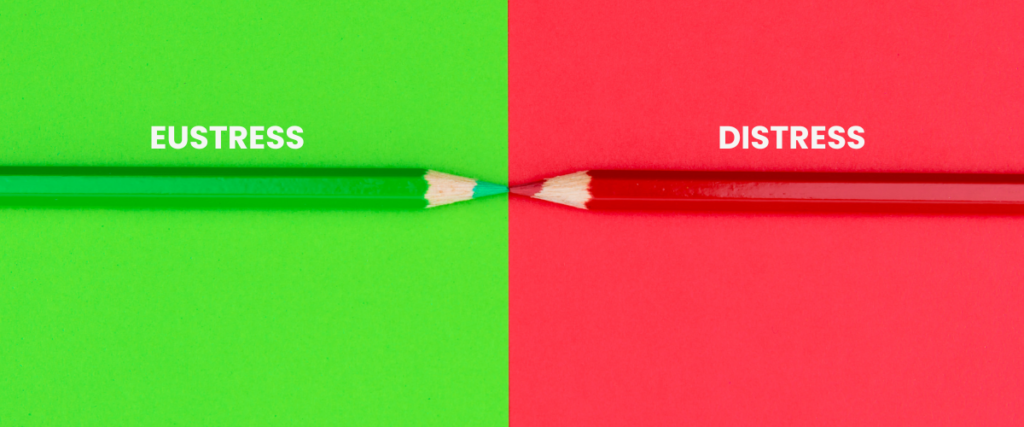
In fact, it is much more complicated as some stress is actually good for you. Yes, you heard that right. But it depends on the ‘type’ of stress. Eustress occurs when you are excited, maybe it is the first date or you are doing something you love? Whereas distress, which is what people are often referring to when they mention stress is the other end of the scale. Stress empowers people to get things done, without any stress we may never get anything delivered.

Another article tracked thousands of white-collar workers over 18 years. Job strain (with high psychological demands) combined with low-decision latitude showed a twofold increased risk of atrial fibrillation. So what can employees do if they think their job makes them sick?

1. Look after yourself

Getting enough sleep is fundamental to looking after yourself, although in times of distress this can usually be the first thing which declines. Worrying, focusing on the problems and trying to ‘get everything done’ can all reduce the amount of high-quality sleep that people have. Try to keep a routine, with a set time you go to sleep. A good night’s sleep can be key to ensuring you overcome times of high stress.

2. Take breaks

When we are busy, under pressure, or suffering in times of stress it can seem impossible to take breaks. Often we keep going, pushing through, missing lunch and breaks which is proven to be detrimental. Even taking a micro-break, which is a few minutes to get some fresh air, will help clear your mind and provide some breathing space, allowing you to be more productive.

3. Build a Support Network

Humans need humans. We are social beings so it is vital to build a support network in times of high stress. Talking things through with trusted people, or having trusted advisors you can ask for support from can help reduce the isolation people can feel when under pressure. In times of high stress, it can be difficult to focus, having someone to talk to is invaluable.

4. Be More Selfish

So often people are keen to please others, or behave in ways detrimental to their own well-being for the risk of offending others. In times of distress, being selfish and putting your needs first is vital. Saying no and being clear about your boundaries can be vital to ensure you manage through times of distress. You cannot do everything, no matter how hard you try. Talk to others, ask for help and maybe work with someone who can advocate for you?

5. Prioritise to reduce stress

Distress can arise when we have too many priorities and it can be difficult to see the ‘wood for the trees’. Listing everything you have to do is always a good start. I advise using post-it notes as then you can move around your list. Ask yourself is this really urgent? Is this really important? What will happen if I don’t do this? Being able to work fewer hours is the outcome, and often being able to say no can come back to being able to prioritise.

We understand how hard this can be, and if you are reading this and your internal voice is saying – ‘I wish‘ or ‘IF I could do that I wouldn’t be feeling this way‘ or ‘easier said than done‘. Then, it may be worth reaching out for professional support. Many workplaces have EAPs (Employee Assistance Programmes) which can provide support, and there are online solutions which can also help.

Cardiovascular disease is the leading cause of death worldwide, more help can be found here.

Unlike the 1980s, when people were forced to work in asbestos-riddled environments, today we can have more control over whether we take on the distress which can make us sick. People respond to different stresses, for one person the stress of being a blue light first responder may be eustress, for someone else it could be distress. Understanding yourself is the start of ensuring your own health and wellbeing.

NHS help can be found here or reach out to us to improve the culture in your organisation. We recently helped reduce workplace stress by 45% based on employee feedback due to our work supporting job design and aligning teams across the organisation.

How to Successfully Navigate Stress in Your Life

Stress is an external pressure that can positively or negatively impact individuals, teams, organisations or societies. This time four years ago there was an unprecedented level of societal stress – the pandemic. In 2024, the UK was ranked as the second most miserable country to live in (Business Insider, 2024) due to stressors such as high cost of living and political turmoil. Societal stress impacts people’s health and well-being and is classified as an external stressor.


A stressor is something which causes a state of strain or tension.


External stressors such as a situation, person or task can vary significantly depending on the individual. A stressor for one person may not be for another person e.g. presenting in front of an audience. Stressors are personal and organisations must understand the personal nature of stressors.


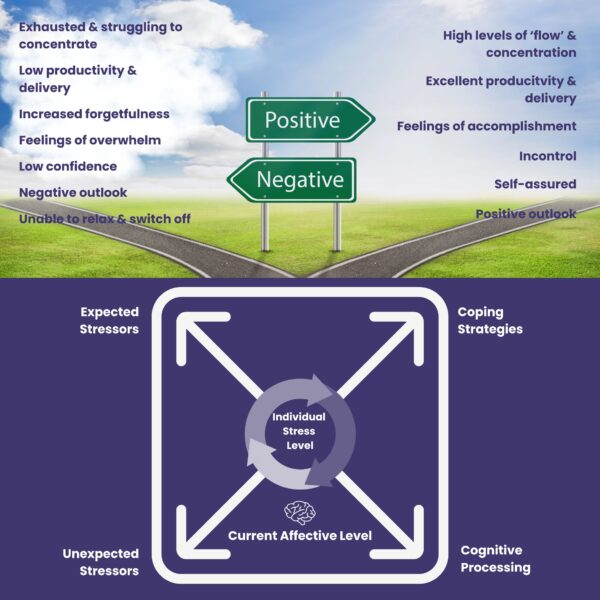
Stressors can also be internal. Memories, past experiences or thoughts about situations can cause stress. Like the image above, internal stressors such as a negative outlook can contribute to individuals succumbing to stressors. Individuals only have limited personal resources to overcome stressors. Time, quantity and whether the stressor is expected or unexpected all impact an individual’s ability to overcome or deal with stressors.


Stress is the pressure exerted on an object or person.


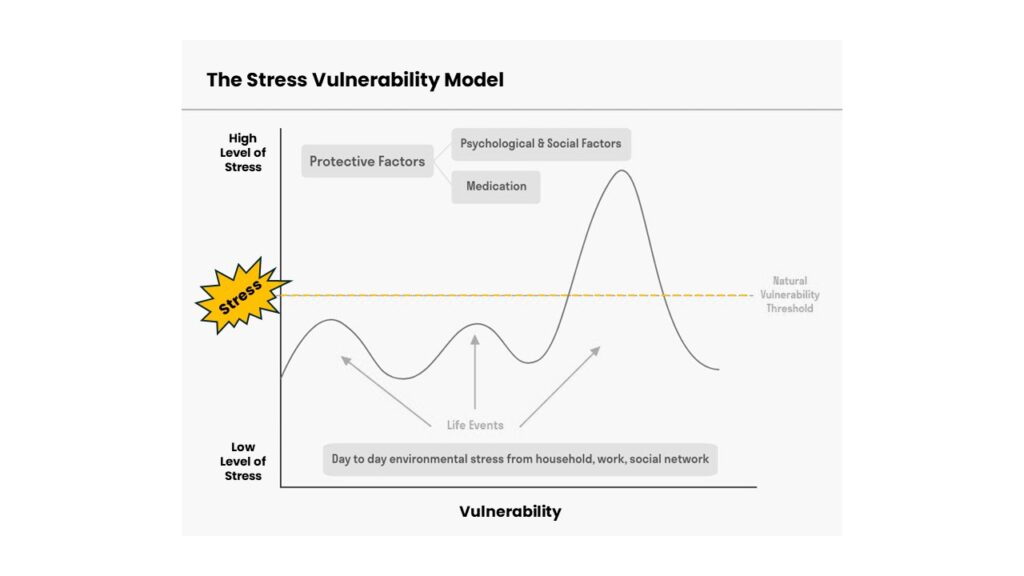
The diagram below shows how vulnerable people can be to the stressors impacting them and causing stress. Stressors can be significant (e.g. bereavement) or more mundane (e.g. getting to meetings on time when busy). As shown below the volume of stressors can also impact individuals.

Individuals need to own their stressors and there are many tools which can help with this. Below are some key activities which can be used to help reduce the impact of stress, or increase personal resources to overcome or deal with stressors.


Reduce the Impact of Stressors – 10 Recommendations

  1. Identify Stressors
    • being able to recognise positive and negative sources of stress in your life, including work, relationships, financial concerns, and other factors is crucial as every individual is more or less susceptible to different stressors.
  2. Develop Coping Strategies
    • because individuals have unique mechanisms to manage stress which work for them. This might include relaxation techniques such as deep breathing exercises, meditation, yoga, or progressive muscle relaxation, for others it might include a long run or gym workout. The coping strategies must be positive, and not negative (e.g. drinking to relax).
  3. Prioritise Tasks
    • ensuring you can organise your tasks, and complete them in manageable steps is essential to ensure you get a sense of accomplishment, and that your task list is not overwhelming. Lots of online tools can help if you pick one which suits your work style.
  4. Use your strengths
    • as this is vital to ensure you gain energy from the activities you are undertaking, they also help ensure you enjoy what you are doing, as opposed to having to use additional energy to overcome barriers
  5. Be Healthy for you
    • ensure you engage in regular, enjoyable physical exercise and eat a balanced diet. Sleep is fundamental to this equation as ensuring enough sleep enhances your internal ability to cope with stressors.
  6. Seek Social Support
    • because humans need connections, we are social animals. Connect with friends, family, or support groups if these help as it is important to have an opportunity to talk about your feelings and concerns with trusted individuals, who can provide emotional support and help you gain perspective.
  7. Time Management with Stress Limits
    • because spending excessive time with stressors will impact anyone. This might involve setting boundaries, delegating tasks, or making lifestyle changes.
  8. Engage in Relaxing Activities
    • which suit you. Don’t penalise yourself if mindfulness is not for you, many people prefer reading, listening to music, gardening, walking or pursuing other mindful hobbies. Engaging in enjoyable activities can provide a welcome distraction from stressors and allow your mind time to recharge.
  9. Get yourself a coach
    • because having someone who can help you increase your self-awareness, acknowledge current challenges, work through tactics to help resolve stressors and be a confidential confidante can be invaluable. Ensure your coach is ICF-accredited and qualified.
  10. Seek Professional Help if Needed
    • because it is always important to know there are lots of support options out there. If stress becomes overwhelming or persists despite self-help efforts, don’t hesitate to seek support from a mental health professional. This could be a Psychologist, Counsellor, Doctor or other qualified and accredited expert as therapy and medication may be beneficial in managing chronic stress.


Why everyone should measure their level of stress over time.

Humans were designed to overcome stress. Stress can be defined as a state of mental or emotional strain or tension resulting from adverse or demanding circumstances. It is the body’s natural response to challenges or threats, whether they are real or perceived. Stress triggers a cascade of physiological reactions, including the release of hormones like cortisol and adrenaline, which prepare the body to either fight the stressor or flee from it (the “fight or flight” response).


While acute stress can be beneficial in certain situations, chronic stress, which occurs over an extended period, can have detrimental effects on physical and mental health, leading to conditions like anxiety, depression, cardiovascular problems, and weakened immune function.


Reduce stress to improve your health.

Measuring individual stress levels is crucial for several reasons. It enables the identification of specific stressors, aiding in their targeted management and prevention of chronic stress. Monitoring stress contributes to overall health awareness, facilitating personalised stress management strategies.


Additionally, it enhances self-awareness and mindfulness, leading to improved performance and productivity. Regular assessment also assists in evaluating the effectiveness of interventions and enables early intervention and support when needed, promoting overall well-being and resilience.


Often when we are feeling overwhelmed or stressed we get pushed down the more negative road as it becomes difficult to collect our thoughts due to the way our body responds. This is why it is crucial to understand your current levels of stress, and seek professional help when required.


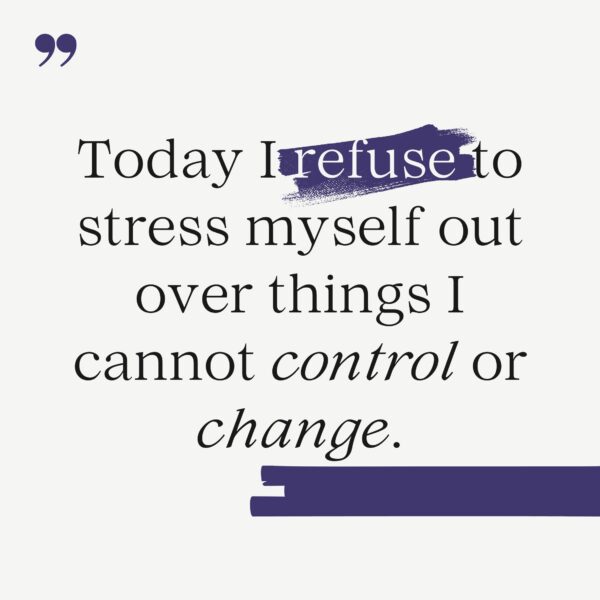
Refuse to stress


In the UK, organisations have a role to support the psychological well-being of their employees, both morally and legally (HSE, 2024). If you would like to know more about how to measure current levels of stress across your organisation, within teams or on individual levels please reach out to Think Organisation.


Think Performance. Think Excellence. Think Impact.

Check our Insights page for more valuable information.

More about Wellbeing

There’s more about Wellbeing in this Think Organisation Post: A Powerful Tool For Mental Wellbeing & Better Health

Alternatively, copy and paste this link into your browser: https://cortex.clyq.co.uk/crafting-a-powerful-tool-for-mental-wellbeing-and-better-health/
Are you ready to

start your joruney?

Take the first step to transform your workplace.

Call us on 07123 456 789
Email us at sarah@cortexworx.com

© Copyright Cortex Worx LTD. All rights reserved. | Website by Clyq