Tag Archive for: workshops

Can a Great Workshop Change Behaviour at Work?

In most organisations, change begins with a meeting, not a workshop.


It might be an idea, a frustration or someone coming up with a new way of doing things. It could be a directive from your boss. But things need to change, and often this starts with a meeting. A group of people talking about what needs to change, why and how it is going to happen.


This is why a workshop is a vital meeting.


In the last 30 years, no matter when any of the Think Organisation team lead or facilitated change, which actual meeting it started in can be very hard to identify. It can also be the seed which decides whether change is successful or unsuccessful.


Leaders talk about collaboration, resilience and great communication, but in the real world, real behaviour change doesn’t happen in the meeting room. It happens after the meeting. It happens in the way people behave when no one is watching, or the way in which people are driven. Real change happens when people experience something that reshapes how they think, feel, and relate to others.


In our opinion, a meeting is so often where people talk about work, but often little changes post meeting. In fact, from our extensive experience it is a professionally facilitated workshop, where people are empowered to actively solve problems and work together that real change, including behaviour changes can be sparked.


This is why workshops remain one of the most powerful tools for changing behaviour at work, especially when they blend science, creativity, and experience.


Even the name “workshop” highlights the importance of working with your hands to learn practical skills through doing. So the next time you are in a workshop at work – is it really a workshop? And will it really facilitate behaviour change?


Why Behaviour Change Needs Experience, Not Just Information

Traditional training often focuses on transferring knowledge: slides, models, frameworks. But the brain doesn’t change through knowing, the brain changes through doing.

Neuroscience shows that learning sticks when it engages multiple regions of the brain simultaneously. This includes the prefrontal cortex (thinking and planning), the limbic system (emotion and memory), and the motor cortex (movement and coordination). When we involve the body, we involve the whole brain.


That’s why creative, hands-on workshops, such as leatherwork, paracord weaving, building or woodcraft, can transform learning into something far more meaningful. They anchor abstract ideas in physical experience, helping people feel what collaboration, patience, or focus actually mean.
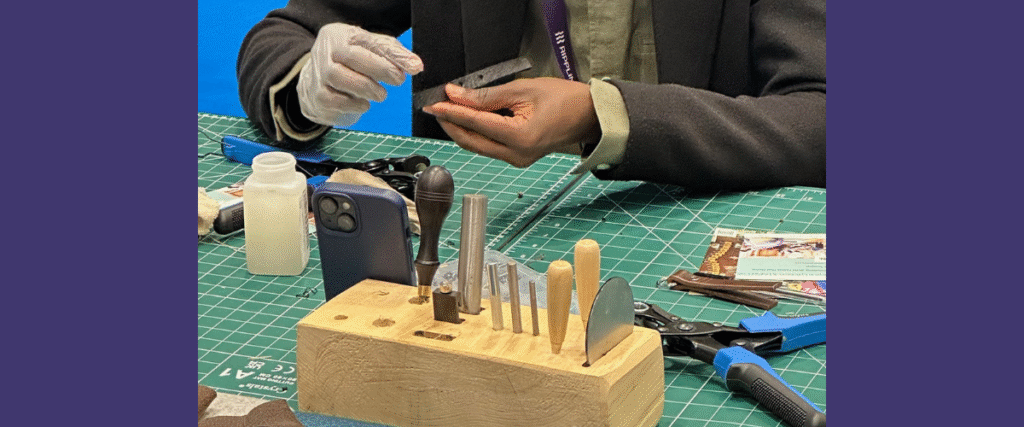
 

A person changing a piece of leather into a creative keyring


The Power of Working Together, Alone

In group workshops, each person often works on their own creation. It may be a piece of leather, or a paracord bracelet, or a noticeboard. They are absorbed in their own process, yet surrounded by others doing the same.


This balance, working together, alone, activates a fascinating blend of brain activity.


The default mode network (DMN), responsible for self-reflection and creativity, comes online during solitary, mindful tasks. But at the same time, the social brain network remains engaged because of the shared environment. As humans we are subconsciously attuned to others’ presence, rhythm, and energy.


The result is a state of quiet connection. Individuals find focus and flow, while the group synchronises emotionally and cognitively, which is a phenomenon psychologists call interpersonal neural synchrony. This shared state builds trust, empathy, and belonging without a single “team-building” exercise in sight.


So no more awkward role plays where you just want the ground to swallow you up as your try to solve team communication challenges.


Why Hands-On Change Activities Work

Take leatherwork. It requires patience, precision, and acceptance of imperfection which are all qualities that mirror the emotional regulation and adaptability needed in leadership.


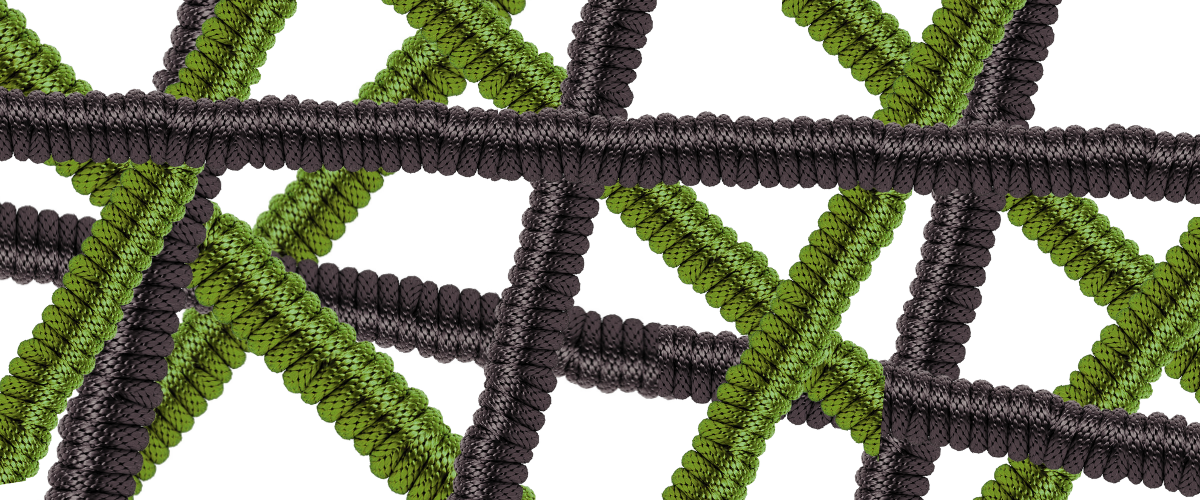
Or paracord weaving, this is a practical metaphor for resilience and connection. Each strand alone is weak. However, woven together, they form something far stronger.


As teams reflect on that process, the metaphor becomes tangible. As does the paracord bracelet they leave with at the end of the activity.


From a neuroscience perspective, such tactile activities release dopamine, reinforcing learning through pleasure, and oxytocin, deepening social connection. This blend of chemistry and cognition is the foundation for long-term behavioural change.


From Awareness to Action – Why Workshops Matter

Workshops that blend reflection, creativity, and science follow the natural stages of behavioural change:


    1. Awareness – understanding what needs to shift.
    2. Experimentation – trying new approaches in a safe, supported space.
    3. Commitment – translating insight into action back at work.


By engaging the senses, emotions, and intellect, creative workshops can help enable these changes to stick.


Think Organisation workshops don’t just tell people to change, they let them experience change in a way they want to do it again and again – because it feels positive.


As experts in culture, the Think Organisations team knows that culture doesn’t shift because of a strategy document. Culture shifts because people start to behave differently together.


This is why, for the last three decades we have created spaces where teams can explore, create, and connect. It might be lego, spaghetti bridges or something more tangible like leatherwork. Because, whether through conversation or craft, we ensure teams activate the very systems in the brain that underpin trust, learning, and collaboration.
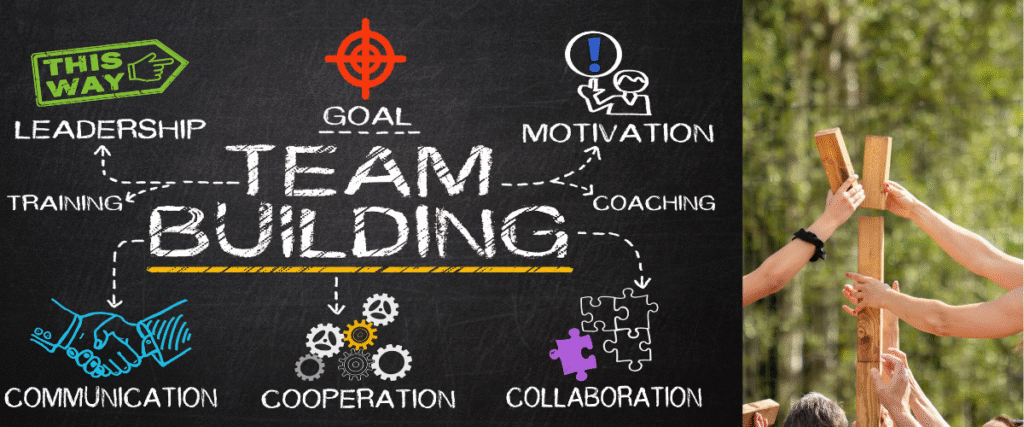
 

Team building helps create behaviour change


Workshops like these remind us that change isn’t always loud or linear. Sometimes, it begins quietly, in the rhythm of hands at work, the calm of focused attention, and the simple act of working together, alone.


Our Expert Change Takeaways Include:

    • Behaviour change begins with experience, not instruction. Because people remember what they feel and create more than what they are told.

    • Working together, alone creates a powerful neurological balance building both individual reflection and social connection, whilst providing opportunities to explore team dynamics

    • Hands-on activities like leatherwork and paracord weaving embody core leadership qualities: patience, precision, resilience, and collaboration. Everyone needs to be open to learn.

    • Emotional engagement and sensory learning drive dopamine and oxytocin release, both key ingredients for trust, motivation, and memory.

    • Culture is learned through doing. When teams experience new ways of working together, they carry those behaviours back into everyday life. It is much easier to liken how a team builds a flat pack ikea bookcase together and give feedback to each other than it is when it is a complex business problem, shrouded in emotion.


If you are ready to explore how creativity and neuroscience can unlock new ways of thinking, feeling, and leading then please join us.


🧠 Think Organisation partners with Semper Hopkins to design immersive, evidence-based workshops that help teams reconnect, refocus, and reimagine how they work together. We also work with travel agencies, outward bound and other immersive venues to provide innovative and suitable workshop experiences which deliver ROI for your organisation.
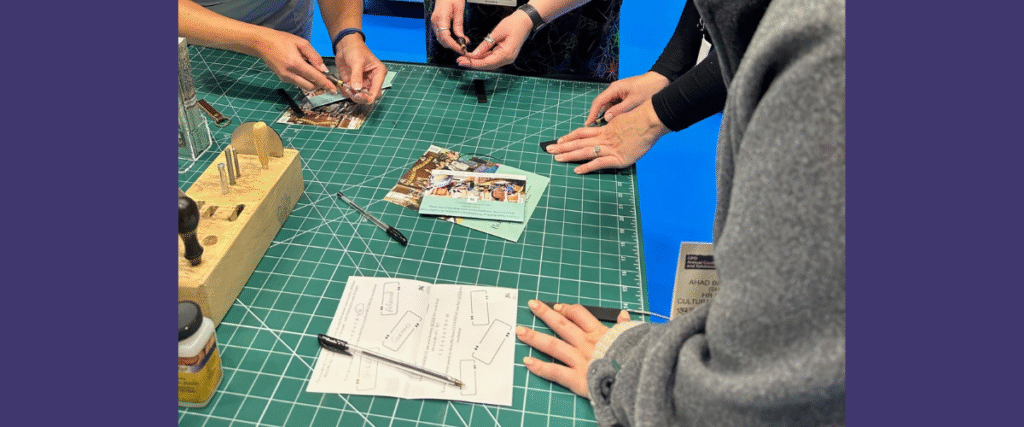
 

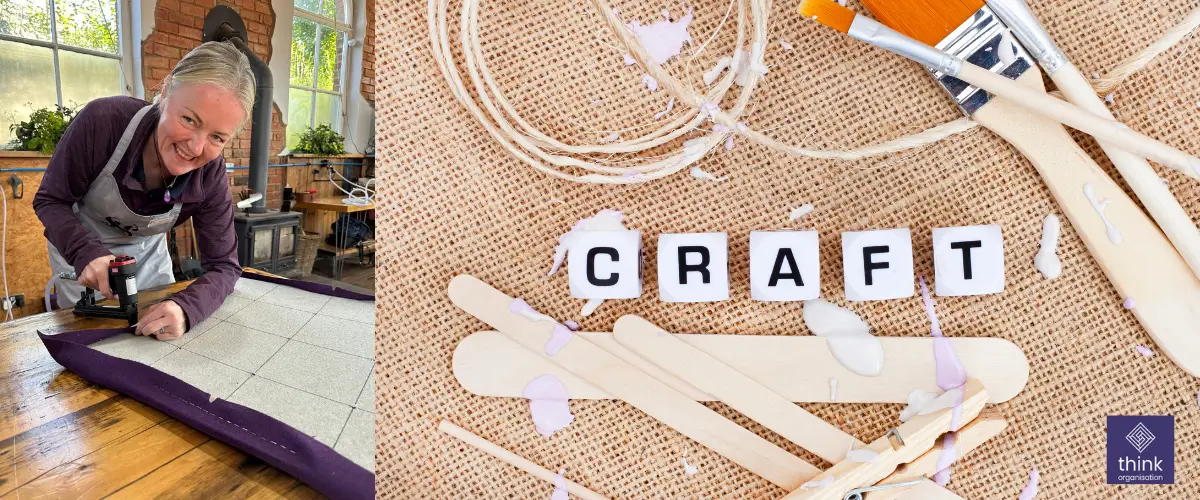
Learning how to craft and change leather using a skiver tool


📩 Book time with Sarah Clarke to explore how a bespoke workshop could help your team build stronger habits, deeper trust, and lasting behavioural change or read our package offerings with Semper Hopkins here.


More about Workplace Psychology

There’s more about Workplace Psychology in this Think Organisation Post: Using psychometrics is proven to add value to your business

Alternatively, copy and paste this link into your browser: https://cortex.clyq.co.uk/why-using-psychometrics-is-proven-to-add-value-to-your-business/

Crafting: A Powerful Tool for Mental Wellbeing and Better Health

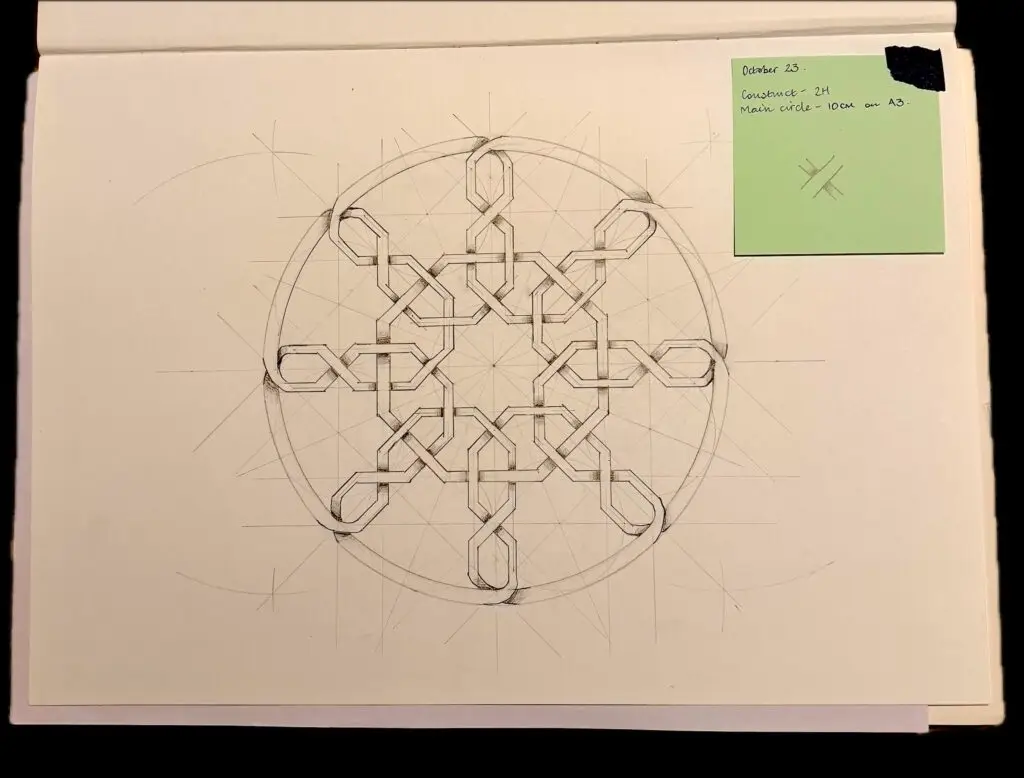
The other week, our Co-Founder Sarah joined the amazing Emma Semper on one of her upholstery crafting workshops, where she learnt how to upholster her very own noticeboard. For those of you who haven’t met Sarah, she is not someone who would naturally call herself creative, especially compared to Steph’s awesome upholstery and craft talents – as shown below, her newest hobby of geometric art using only a compass, a ruler, and a pencil – something she created and built one afternoon.

Crafting Geometric Art


Anyway, back to the point. Here at Think we are often extremely busy, and this can make it difficult to find time to slow down, especially when you throw in all the outside work commitments as well.


In fact, many of us are seeking ways to slow down, reconnect with ourselves, and protect our mental health. Whilst many of us turn to doom scrolling our phone, reading or watching short videos to turn off our mind, in reality, these could be having negative impacts.


Which is why one surprisingly powerful yet often overlooked tool is crafting.


Whether that is knitting, painting, woodworking, sewing, pottery, upholstery, leatherwork or any creative activity done with your hands.


Crafting isn’t just a hobby; it’s a form of therapy.

Research has consistently shown that engaging in creative activities can lead to reduced stress, improved mood, increased cognitive function, and even physical health benefits. Over ten years ago, a study by the American Journal of Public Health concluded that arts engagement is linked to better emotional resilience, reduced anxiety, and an enhanced sense of purpose.


During lockdown, Sarah organised an online event for over 100 employees to undertake some painting led by an artist. The feedback was amazing, and due to the success of the painting experience, a couple of people continue this craft to this day.


So here is some insight into why crafting can be so powerful for your health and wellbeing:


1. Crafting is Mindfulness in Action

Crafting draws you into the present moment.


Whether you’re looking for a number on paint by numbers, choosing a colour, threading a needle or shaping clay, you naturally focus on the task at hand. This gives your mind a break from the constant buzz of worries and future plans.


As Psychologists, we can call this a “flow” state. You will have heard people say, ‘I don’t know where the time went’, or ‘I just got into the flow and then suddenly it was done’. Csikszentmihalyi (1990) explains this in more detail in his book, as when you are fully immersed in an activity, or a state of flow, it is linked to greater happiness and lower rates of depression.


The key with crafting is to find a craft which gets you into that state of flow, not one that completely frustrates you. Enjoyment is vital.


2. Building Confidence and Achievement

Completing a project, no matter how small, gives a tangible sense of achievement. These little wins accumulate, boosting self-esteem and reminding us that we are capable of creating something meaningful. This can be especially powerful for individuals managing long-term stress, anxiety, or burnout.


Crafting provides this achievement, and the majority of crafts are in your control. Sarah tried painting following the event she organised, but it became frustrating, especially when the painting looked worse than what a child could do. However, the actual painting was great fun.


Enter into Sarah’s life, painting by numbers. It provides the right amount of guidance, and a sense of achievement as there is a framework to follow for success. This is key to building confidence and ensuring there’s a sense of achievement.


3. Crafting, Connection and Community

Many crafting activities, from knitting groups to art classes, create opportunities for social connection.


Having a shared purpose can reduce feelings of isolation, a key factor in maintaining good mental health. For some people, crafting is a solitary pursuit, however, for others, being part of a community is key – whether online or face-to-face.


Getting advice, watching tips on You-tube or attending events, all of these can help build a sense of connection.


4. Stress Reduction and Physical Health

There have been years of studies measuring the impact of crafting on health. Crafting has been found to lower blood pressure, improve immune response and even ease symptoms of chronic illnesses.


When you’re being creative, your body moves into a calmer para-sympathetic state, counteracting the harmful effects of prolonged stress. At the start, crafting can often push us out of our comfort zone, but with support and practice, we soon enter a state of flow.


Growing, stretching ourselves and doing crafts we enjoy is crucial. If you feel incompetent, bad or don’t enjoy a craft then try a different one.


5. A Healthy Escape

In moderation, crafting provides a healthy form of escapism. The reason we say “in moderation” is because we don’t want it to become a chore. Recent requests for paint-by-numbers by friends and family was something which soon became a chore for Sarah. Especially when there were three needed to be completed before Christmas!


After a break, and with no intention of ever agreeing to requests again, paint-by-numbers had become a healthy escape again. It is a chance to reset and recharge.


It is not about avoiding life’s challenges, but about giving your mind the rest it needs to tackle them with renewed energy.


In a world that often prizes productivity over presence, crafting reminds us of the simple joy of making something with our own hands.


You don’t need to be “good” at it. You just need to start.


So this week, whether it is 15 minutes of doodling at your desk, joining a painting class or learning a new craft from YouTube, try incorporating creativity into your life.


Think about what you enjoyed as a child, as this will help you narrow down some crafts you might enjoy. Because one small, enjoyable change today will lead to a positive impact on your health tomorrow.


Your mental wellbeing is worth the time.

If you would like to know more about crafting at work and how crafting can be built into your organisational culture or development programmes, please reach out – sam@cortex.clyq.co.uk.


#MentalHealth #Wellbeing #Creativity #Mindfulness #PersonalDevelopment #CraftingForHealth #CraftingCulture


More about Wellbeing

There’s more about Wellbeing in this Think Organisation Post: How To Manage a Healthy Brain at Work


Alternatively, copy and paste this link into your browser: https://cortex.clyq.co.uk/how-to-manage-a-healthy-brain-at-work/

How to Successfully Navigate Stress in Your Life

Stress is an external pressure that can positively or negatively impact individuals, teams, organisations or societies. This time four years ago there was an unprecedented level of societal stress – the pandemic. In 2024, the UK was ranked as the second most miserable country to live in (Business Insider, 2024) due to stressors such as high cost of living and political turmoil. Societal stress impacts people’s health and well-being and is classified as an external stressor.


A stressor is something which causes a state of strain or tension.


External stressors such as a situation, person or task can vary significantly depending on the individual. A stressor for one person may not be for another person e.g. presenting in front of an audience. Stressors are personal and organisations must understand the personal nature of stressors.


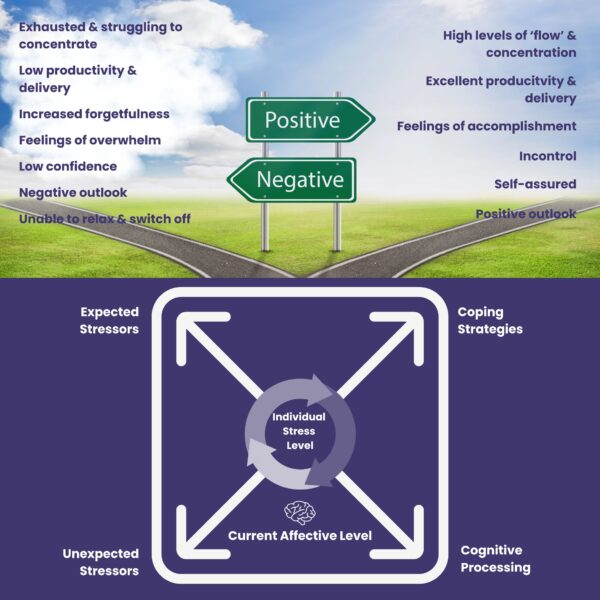
Stressors can also be internal. Memories, past experiences or thoughts about situations can cause stress. Like the image above, internal stressors such as a negative outlook can contribute to individuals succumbing to stressors. Individuals only have limited personal resources to overcome stressors. Time, quantity and whether the stressor is expected or unexpected all impact an individual’s ability to overcome or deal with stressors.


Stress is the pressure exerted on an object or person.


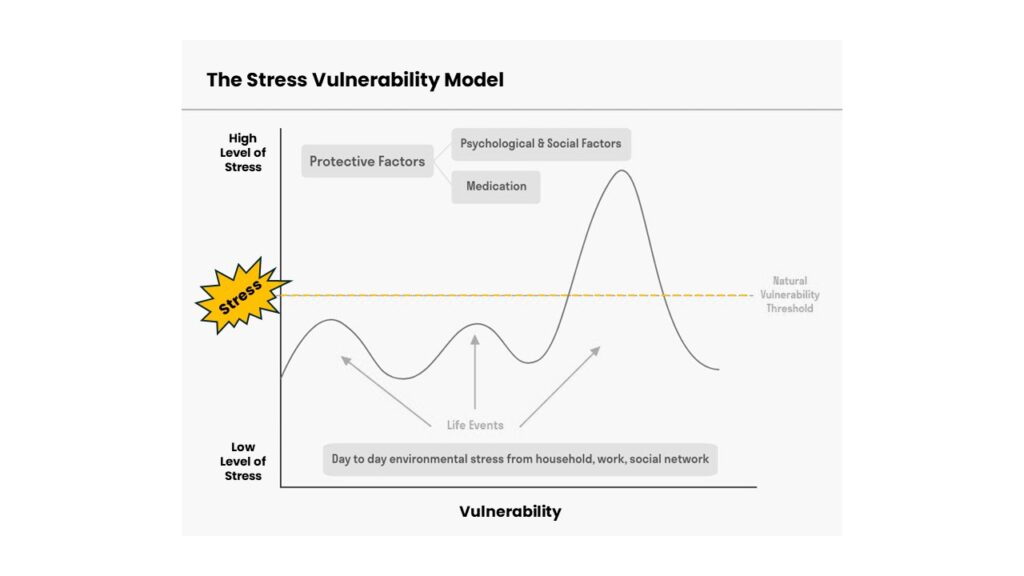
The diagram below shows how vulnerable people can be to the stressors impacting them and causing stress. Stressors can be significant (e.g. bereavement) or more mundane (e.g. getting to meetings on time when busy). As shown below the volume of stressors can also impact individuals.

Individuals need to own their stressors and there are many tools which can help with this. Below are some key activities which can be used to help reduce the impact of stress, or increase personal resources to overcome or deal with stressors.


Reduce the Impact of Stressors – 10 Recommendations

  1. Identify Stressors
    • being able to recognise positive and negative sources of stress in your life, including work, relationships, financial concerns, and other factors is crucial as every individual is more or less susceptible to different stressors.
  2. Develop Coping Strategies
    • because individuals have unique mechanisms to manage stress which work for them. This might include relaxation techniques such as deep breathing exercises, meditation, yoga, or progressive muscle relaxation, for others it might include a long run or gym workout. The coping strategies must be positive, and not negative (e.g. drinking to relax).
  3. Prioritise Tasks
    • ensuring you can organise your tasks, and complete them in manageable steps is essential to ensure you get a sense of accomplishment, and that your task list is not overwhelming. Lots of online tools can help if you pick one which suits your work style.
  4. Use your strengths
    • as this is vital to ensure you gain energy from the activities you are undertaking, they also help ensure you enjoy what you are doing, as opposed to having to use additional energy to overcome barriers
  5. Be Healthy for you
    • ensure you engage in regular, enjoyable physical exercise and eat a balanced diet. Sleep is fundamental to this equation as ensuring enough sleep enhances your internal ability to cope with stressors.
  6. Seek Social Support
    • because humans need connections, we are social animals. Connect with friends, family, or support groups if these help as it is important to have an opportunity to talk about your feelings and concerns with trusted individuals, who can provide emotional support and help you gain perspective.
  7. Time Management with Stress Limits
    • because spending excessive time with stressors will impact anyone. This might involve setting boundaries, delegating tasks, or making lifestyle changes.
  8. Engage in Relaxing Activities
    • which suit you. Don’t penalise yourself if mindfulness is not for you, many people prefer reading, listening to music, gardening, walking or pursuing other mindful hobbies. Engaging in enjoyable activities can provide a welcome distraction from stressors and allow your mind time to recharge.
  9. Get yourself a coach
    • because having someone who can help you increase your self-awareness, acknowledge current challenges, work through tactics to help resolve stressors and be a confidential confidante can be invaluable. Ensure your coach is ICF-accredited and qualified.
  10. Seek Professional Help if Needed
    • because it is always important to know there are lots of support options out there. If stress becomes overwhelming or persists despite self-help efforts, don’t hesitate to seek support from a mental health professional. This could be a Psychologist, Counsellor, Doctor or other qualified and accredited expert as therapy and medication may be beneficial in managing chronic stress.


Why everyone should measure their level of stress over time.

Humans were designed to overcome stress. Stress can be defined as a state of mental or emotional strain or tension resulting from adverse or demanding circumstances. It is the body’s natural response to challenges or threats, whether they are real or perceived. Stress triggers a cascade of physiological reactions, including the release of hormones like cortisol and adrenaline, which prepare the body to either fight the stressor or flee from it (the “fight or flight” response).


While acute stress can be beneficial in certain situations, chronic stress, which occurs over an extended period, can have detrimental effects on physical and mental health, leading to conditions like anxiety, depression, cardiovascular problems, and weakened immune function.


Reduce stress to improve your health.

Measuring individual stress levels is crucial for several reasons. It enables the identification of specific stressors, aiding in their targeted management and prevention of chronic stress. Monitoring stress contributes to overall health awareness, facilitating personalised stress management strategies.


Additionally, it enhances self-awareness and mindfulness, leading to improved performance and productivity. Regular assessment also assists in evaluating the effectiveness of interventions and enables early intervention and support when needed, promoting overall well-being and resilience.


Often when we are feeling overwhelmed or stressed we get pushed down the more negative road as it becomes difficult to collect our thoughts due to the way our body responds. This is why it is crucial to understand your current levels of stress, and seek professional help when required.


Refuse to stress


In the UK, organisations have a role to support the psychological well-being of their employees, both morally and legally (HSE, 2024). If you would like to know more about how to measure current levels of stress across your organisation, within teams or on individual levels please reach out to Think Organisation.


Think Performance. Think Excellence. Think Impact.

Check our Insights page for more valuable information.

More about Wellbeing

There’s more about Wellbeing in this Think Organisation Post: A Powerful Tool For Mental Wellbeing & Better Health

Alternatively, copy and paste this link into your browser: https://cortex.clyq.co.uk/crafting-a-powerful-tool-for-mental-wellbeing-and-better-health/
Are you ready to

start your joruney?

Take the first step to transform your workplace.

Call us on 07123 456 789
Email us at sarah@cortexworx.com

© Copyright Cortex Worx LTD. All rights reserved. | Website by Clyq