Tag Archive for: human needs

Motivation: Understanding What Drives People at Work

The reason a person acts or decides to behave in a certain way is usually down to motivation. Motivation itself is not visible. It is an internal process. Motivation is the driving force behind human actions that initiates, guides and maintains goal-oriented behaviours.


With over 18 million references to motivation on Google it is easy to become lost in the complexities of motivation. So what do you need to know about motivation at work?


The future is intrinsic motivation.

Work is an activity which someone undertakes to gain a benefit or achieve a purpose. Years ago, the majority of work consisted of tasks which needed to be undertaken (often physical e.g. ploughing).


Workers would be skilled in their task (e.g. a farrier) and this would become their profession. Workers would often get promoted to the role of manager or supervisor. Their task would be to ensure that all workers completed their tasks on time, on budget and to the required quality.


Think about a task you have completed at work recently. Did you feel a sense of accomplishment when you’d finished? Did you lose track of time as you were completing it? Or did you rush to complete it focusing on when you would be paid? Were you bored or uninterested when you completed the task? Depending on your responses will depend on whether you were intrinsically or extrinsically motivated.


Motivation is complex and many tasks fit into both extrinsic and intrinsic – if you would like to discuss motivation book a free 30-minute consultation here.
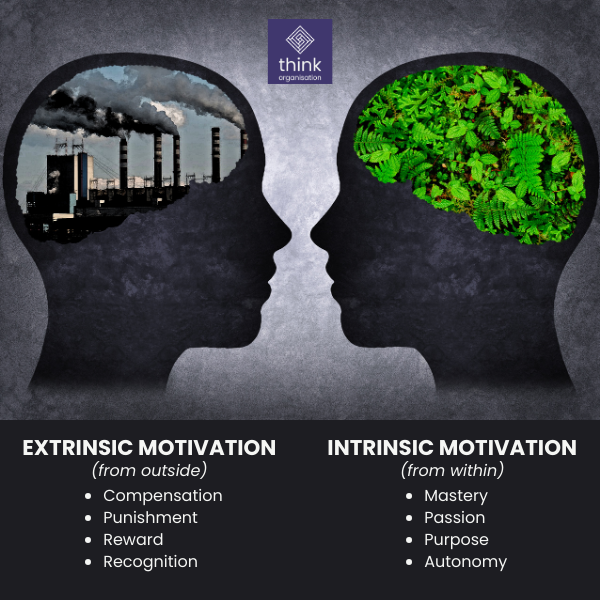
 

This image shows the two sides to motivation - extrinsic and intrinsic.


Everyone has basic needs.

Abraham Maslow designed the Hierarchy of Needs to explain motivation in the 1940’s and it is still helpful today – especially when at work.


Think Organisation often works with clients to utilise individual, team and organisational hierarchy of need models to revolutionise employee engagement and productivity as part of our culture transformation projects.


Have a look at the model below and ask yourself what are your needs at each of the different levels?
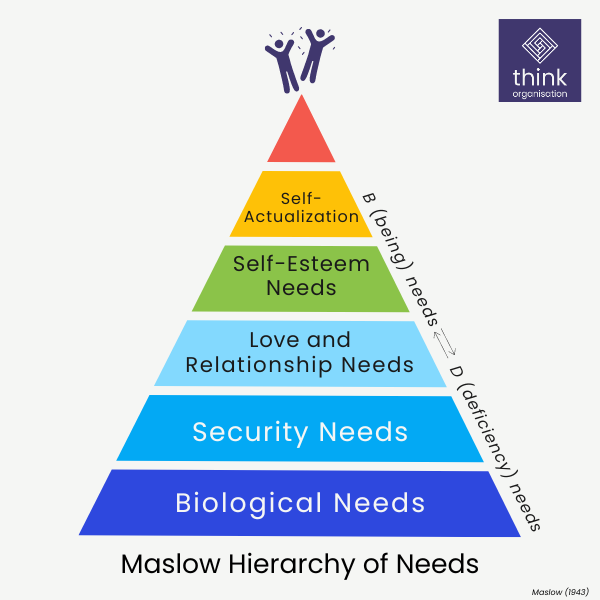
 

So often organisations focus on the higher needs, such as providing development opportunities, especially when the basic needs of a salary commensurate with the role are not being delivered. The other challenge is this model is unique for every employee, and employees will only share their true thoughts, feelings and motivations if they feel psychologically safe in their team.


Psychological Safety is key.

When an employee feels, and thinks, they are psychologically safe then they will share their true thoughts, ideas, feelings, concerns and suggestions. Psychological safety is multi-faceted and arises as a result of the experiences, reactions and behaviours of others. It is not something you can tell people to be. To understand your perception of psychological safety in your organisation our free measure.


Think about when someone at work, like your Manager, has asked you to explain what you think, or what you need. Have you felt safe being open and honest? Or have you said what you thought you should say? What fitted in with the expectations of what you should say? Humans need to feel like they belong so will often say things to help this, avoiding confrontation and conflict.


Authentic environment.

The environment is the conditions and surroundings in which a person lives or operates. It has a huge impact on how humans behave. Have you ever tried to tell someone to be motivated? The surroundings we find ourselves in impact our motivation.


At times, our environment is a product of our motivations, effort and talents. Linked to the first few levels of the hierarchy of needs, humans have physical requirements such as warmth, shelter and somewhere to work effectively. At work, the environment needs to be authentic, stable and safe.


When this is not the case people’s motivations focus on creating a safe, stable environment they can influence or control. This often leads to negative behaviours as a result of the environment being inauthentic.


Ken Blanchard (2013) designed a model where trust is created when people demonstrate competence (are able), act with integrity (are believable), care about others (are connected) and behave reliably (are dependable). In many ways, this applies to environments as well.


Clear purpose.

Many organisations focus on their purpose, investing significant sums in purpose identification, strategies and marketing communication plans to communicate it effectively. This builds on the need for an environment to be authentic.


Without this focusing on purpose can be detrimental to businesses. History is plagued with scandals where people’s actions and behaviours have been misaligned to the publicly professed purpose of an organisation. People will know if there is any degree of misalignment and the depth and breadth of this can significantly impact the motivation of all employees.


To understand more about what drives you, and others, at work then please subscribe to our LinkedIn page.


Conclusions

How does intrinsic motivation play a critical role in enhancing employee engagement and productivity at work, compared to extrinsic motivation?


Intrinsic motivation is pivotal in enhancing employee engagement and productivity because it stems from within the individual, driven by personal interest, enjoyment, and a sense of accomplishment in the work itself. Unlike extrinsic motivation, which relies on external rewards such as money, promotions, or recognition, intrinsic motivation fosters a deeper commitment to the task.


Employees who are intrinsically motivated are more likely to experience job satisfaction, exhibit creativity, and persist in the face of challenges. This internal drive encourages a more meaningful connection to their work, leading to sustained effort and higher-quality performance.


In contrast, extrinsic motivators can sometimes undermine intrinsic interest, especially if overemphasised, potentially leading to reduced motivation once the external rewards are removed (e.g. bonuses).


What strategies can organisations implement to ensure psychological safety among employees, fostering an environment where they feel comfortable sharing their true thoughts and ideas?


Organisations can ensure psychological safety by implementing several key strategies that promote openness and trust. First, leaders should role model inclusive behaviour, actively listening to and valuing all employees’ input without judgement. Establishing clear communication channels and regular feedback loops allows employees to voice concerns and suggestions safely.


Experiential programmes on active listening and empathy can equip managers with the skills needed to foster a supportive atmosphere.


Additionally, recognising and rewarding vulnerability and honest communication can reinforce a culture where employees feel safe to express their true thoughts. Creating diverse and inclusive teams also contributes to psychological safety, encouraging different perspectives.


Addressing any instances of behaviour which are detrimental to psychological safety need to be dealt with swiftly and transparently. This helps maintain a respectful and trusting workplace environment.


How can organisations align their stated purpose and values with their employees’ experiences and the overall work environment to avoid misalignment and maintain high levels of motivation and trust?


Organisations can align their stated purpose and values with employees’ experiences by ensuring that their actions consistently reflect their professed ideals. This alignment starts with transparent and authentic leadership that exemplifies the company’s values in everyday decisions and interactions.


Regularly communicating the organisation’s purpose and demonstrating how it translates into concrete policies and practices helps reinforce this alignment.


Involving employees in the development and refinement of the organisation’s mission can also foster a sense of ownership and connection and ensure authenticity.


Once basic needs are met, opportunities for professional growth, recognising achievements that align with the individual’s values, and creating a supportive and inclusive work environment are crucial. By maintaining this alignment, organisations can build trust and help employees be motivated.


Over time, as employees see that their work contributes to a greater, consistent purpose, this enhances overall engagement and loyalty fourfold.


Think Performance. Think Excellence. Think Impact.


Check our Insights page for more valuable information.

More about Motivation

There’s more about Motivation in this Think Organisation Post: How Can Leaders Improve Motivation in their Workplace Culture

Alternatively, copy and paste this link into your browser: https://cortex.clyq.co.uk/how-can-leaders-improve-motivation-in-their-workplace-culture/

Human Behaviour and Artificial Intelligence: Why Their Connection Really Matters

Artificial Intelligence (AI) is everywhere.


First invented in 1950s, it is only recently that Artificial intelligence has become so prolific across society as a whole. Ten years ago AI was still a dream for the majority of us. (Deutsch, 2012).


What is Artificial Intelligence?

Let’s look at some dictionary definitions.


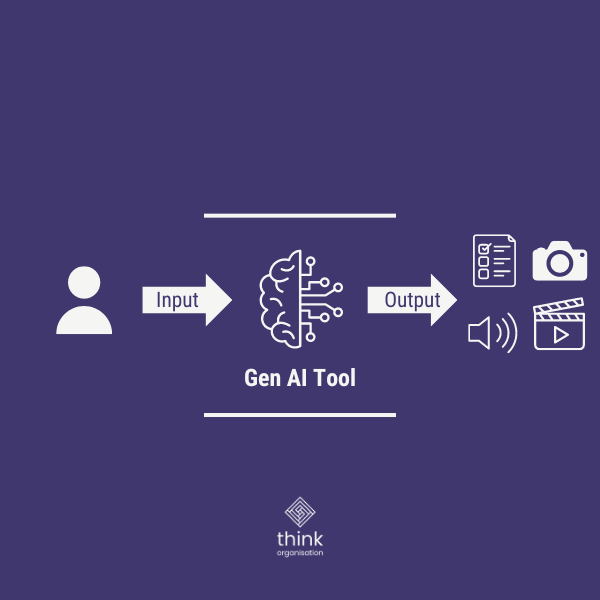
Intelligence is the ability to acquire and apply knowledge and skills. It is the ability to reason or make judgements. The word artificial refers to something which is produced by humans, meaning it does not occur naturally. It is machines which are capable of artificial intelligence. Machines are an apparatus which use mechanical power, and consist of several parts, which function together to perform a task.


Artificial intelligence is a machine which has the ability to learn, understand and make judgements or have opinions based on reason. The machine is capable of building something new, as opposed to just reprocessing information which has been entered.


Artificially intelligent machines were first invented in the 1950s (Harvard, 2017). These machines were significantly slower (and larger!) as well as being less powerful compared to today’s computers. At the time, AI pioneers like Alan Turing and Marvin Minsky laid the groundwork for the AI we enjoy today. At the time, AI machines could perform relatively simple tasks such as logical reasoning, solving mathematical problems, and playing simple games like tic-tac-toe.


At this point, the main focus was on developing algorithms and exploring the theoretical foundations of artificial intelligence rather than more practical applications.


For example, it wasn’t until forty years later, in 1997 that AI really cracked playing chess. IBM’s Deep Blue machine made headlines by defeating world champion Garry Kasparov in a six-game chess match. This marked a significant milestone in AI’s ability.


What has Artificial Intelligence got to do with Psychology?

Understanding human intelligence has alluded humans for years. Psych (meaning soul) ology (meaning study of) is a multi-faceted discipline covering many areas of science. Today, humans (including Psychologists) still debate what intelligence is and how to measure it.


Psychologists have proposed various definitions and theories of intelligence over the years, reflecting different perspectives on what intelligence encompasses. Some psychologists view intelligence as a single, general cognitive ability (GCA), while others argue for a broader, more multifaceted understanding.


Theories of Intelligence

Leading experts have proposed various theories of intelligence, each offering distinct perspectives on the nature and measurement of cognitive abilities:


      • Psychometric approach

      • Multiple intelligences theory

      • Triarchic theory of intelligence

      • Theory of multiple factors


    These theories all represent different perspectives on intelligence, highlighting the complexity of the concept and the diverse ways in which it can be conceptualised and measured.


    The human brain is an intricate organ

    It serves as the control centre for the body’s functions and behaviours. It consists of billions of nerve cells called neurons, which communicate with each other through electrical and chemical signals. The brain is divided into different regions, each responsible for specific functions such as movement, sensation, language, memory, and emotions.


    Sensory processing centre

    Information processing in the brain occurs through complex neural networks. When we perceive sensory information from the environment, such as seeing, hearing, or feeling, neurons in the sensory areas of the brain process this information and transmit it to other regions for further interpretation and action.


    Memory formation involves the encoding, storage, and retrieval of information. Different types of memory, including short-term memory and long-term memory, are supported by various brain structures and neural pathways. Emotions are regulated by regions such as the amygdala and prefrontal cortex, which play crucial roles in processing and responding to emotional stimuli.


    Consciousness, awareness, and higher cognitive functions like decision-making, problem-solving, and creativity involve interactions between different brain regions, particularly the cerebral cortex—the outer layer of the brain responsible for higher-level processing.


    Overall, the human brain functions through the coordinated activity of neurons and neural circuits, enabling us to perceive, think, feel, and act in response to our environment and internal states.


    We must consider this when discussing artificial intelligence, can a machine do all of this? And how can it do all of this?


    Why does this matter?

    The human brain has over 86 billion neurons, which we couldn’t see until the 1970s when magnetic resonance imaging (MRI) was first developed. So how do we know what AI is doing? How can we see inside the minds of the machines?


    Today AI has learned to do a wide range of tasks across various domains, including:


      1. Playing Games: AI can play complex games like chess, Go, and video games at a level surpassing human experts.
      2. Natural Language Processing (NLP): AI can understand, generate, and translate human languages, enabling applications like chatbots, language translation services, and sentiment analysis.
      3. Image Recognition: AI can accurately identify objects, people, and scenes in images, powering applications like facial recognition, image search, and autonomous vehicles.
      4. Medical Diagnosis: AI algorithms can analyse medical data to assist in diagnosing diseases, detecting abnormalities in medical images, and predicting patient outcomes.
      5. Autonomous Vehicles: AI enables self-driving cars to perceive their environment, make decisions, and navigate safely on roads.
      6. Recommendation Systems: AI algorithms can analyse user preferences and behaviour to recommend products, movies, music, and other personalised content.
      7. Financial Trading: AI is used in algorithmic trading to analyse market data, identify patterns, and execute trades at high speeds.
      8. Drug Discovery: AI accelerates the process of drug discovery by predicting molecular interactions, designing new compounds, and identifying potential drug candidates.
      9. Robotics: AI enables robots to perform tasks such as assembly, navigation, and object manipulation in diverse environments.
      10. Personal Assistants: AI-powered virtual assistants like Siri, Alexa, and Google Assistant can understand spoken commands, answer questions, and perform tasks like setting reminders and sending messages.


      These are just a few examples and are not exhaustive due to the speed at which AI is developing.


      Why should I care?

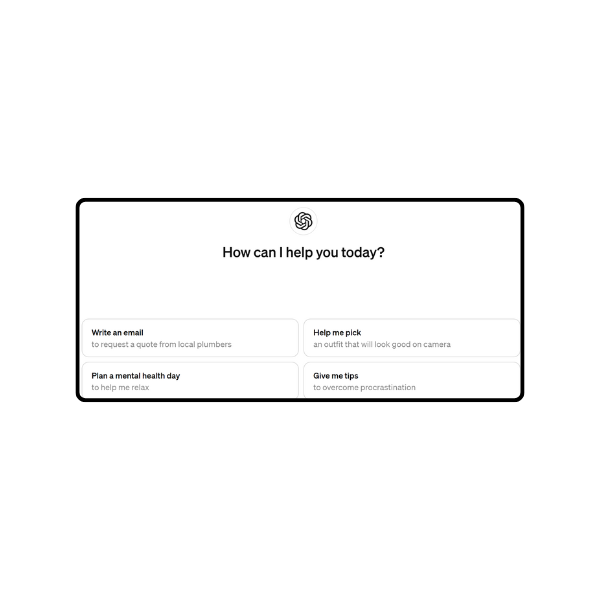
      For the majority of the population, it probably wasn’t until the end of 2022, when ChatGPT was launched, that we began to think and consider AI. This morning, a morning greeting from ChatGPT is shown below asking what it can help with.

      You should care, because these questions are based on my search history. And the speed of change is ground-breaking.


      It took the telephone just over 75 years to reach 100 million users. The mobile phone took 16 years, with the world wide web halving this, reaching 100 million users in 7 years. ChatGPT took 2 months. Surpassing previous record breakers, TikTok which took 9 months and Uber which took 70 months. The speed at which AI is advancing is faster than anything humans have ever seen before.


      So what next?

      All humans need to understand AI.


      Psychologists bring invaluable expertise to the field of AI, contributing insights crucial for the development of responsible and user-centric technologies. With their deep understanding of human behaviour, cognition, and emotions, psychologists play a pivotal role in shaping AI systems to align with human preferences, needs, and ethical considerations.


      The ability to ensure big data used in AI is robust, reliable and valid is fundamental to the integrity of the algorithms. Psychologists have long focused on the need for machine innovation, whilst ensuring they are ethically sound, especially in terms of addressing concerns related to privacy, bias, fairness, and transparency.


      As AI becomes increasingly integrated into daily life, psychologists contribute valuable insights into human-machine interaction, much like ergonomics and health and safety in the past.


      Understanding the human factor in AI and machine integration is fundamental to the success of organisations, and society as a whole, just as it was in transforming how humans interacted with airplanes (Harris, 2014).


      If you would like to discuss how the Think Organisation can ensure your organisation and its people can harness the power of AI please contact us.


      Think Performance. Think Excellence. Think Impact.

      Check our Insights page for more valuable information.

      More about Artificial Intelligence

      There’s more about Artificial Intelligence in this Think Organisation Post: Leadership In An Artificially Intelligent World

      Alternatively, copy and paste this link into your browser: https://cortex.clyq.co.uk/leadership-in-an-artificially-intelligent-world/

      Critical insight for people who don’t have mental health issues.

      2024 Mental Health Awareness week is approaching, and undoubtedly, numerous companies will soon be sharing positive messages about mental health and well-being.


      Many will follow the same well-trodden commercial marketing plans laid out by charities, all in an effort to be ‘part of the group’.


      Raising awareness is crucial, but it must lead to tangible behaviour change to truly make a difference.


      Recently, the team at Think Organisation worked with a CEO who made a troubling statement: “I don’t have mental health issues. And, I know I shouldn’t say this, but I’m fed up with people using it as an excuse to be lazy at work.” With their permission, we felt it was important to delve into this statement.


      Mental health encompasses a person’s psychological (including emotional) well-being, existing along a complex continuum. It enables individuals to cope with life’s stresses. Various biological and psychological factors can make people more or less vulnerable to mental health problems. Moreover, exposure to unfavourable social, economic, and environmental circumstances increases the risk of developing mental health problems (WHO, 2022).


      Let’s unpack the CEO’s statement.


      “I don’t have mental health issues.”


      There are two issues with this statement.


      I don’t have mental health

      In reality, if you have a brain you have mental health. Just like if you have a body you have physical health. If the CEO was able to think, feel, and react in ways conducive to leading a positive life then he could reword this statement to something like I currently have good mental health.


      I don’t have mental health issues

      The word ‘issues’ immediately implies a problem that people are discussing or thinking about, suggesting the need for action. For example, ‘don’t make an issue about it’.


      In reality, 1 in 4 people experience mental health problems, which can develop into mental illness if left untreated.


      Sadly, many organisations fail to take mental health seriously until it results in a breakdown. At this stage, individuals experience intense mental distress or illness, often with psychological and physical symptoms, alongside changes in behaviour and emotions.


      Which leads us on the next sentence.


      “And I know I shouldn’t say this but . . .”

      Using this statement as a preamble infers what is going to be said next is negative. It is like providing a blanket around something which isn’t going to be very nice. It is also a way for people to give themselves permission to say something which they know is wrong or untrue. However, in this context it is interesting because the chances are it is their own belief that the CEO is having to question.


      “I am fed up with people using it as an excuse to be lazy at work.”

      This sentence speaks the truth in many ways, and is something people probably say more often than they care to admit.


      Yet, in reality, people need time out. They need time to think. Just as our body needs rest and recuperation after exercise. Our brain needs rest and recuperation from activity.


      Through a number of coaching questions and exploration, it became apparent to the CEO that this statement was something of a legacy.


      The CEO’s father used to assert that a bad back provided an excuse for laziness at work, a belief that had been passed down.


      We delved into how the CEO would relish a day off without questions, to be ‘lazy’ in a positive sense. They desired a day where they didn’t have to work or exert much effort, physically or mentally.


      This illustrates the importance of language.

      Negative words can erect barriers, isolate individuals, and deter them from seeking help. Language is the tool through which we unconsciously transmit and exchange information.


      During the session with a Think Organisation Psychologist and CBT coach, it was the CEO’s manner of expression that sparked the subsequent discussion — tone, facial expressions, previous situations, and conversations all provided clues that this statement was not as it seemed.


      In reality, the CEO used this statement to dismiss their thoughts and feelings, fearing judgment and seeking approval. However, they embarked on a journey of self-realisation and even requested this post be written, hoping it might help others. While they aren’t completely open, that’s okay — because they made the necessary changes.


      They prioritised their health and well-being, took time off when needed, and are now more productive than ever. Moreover, in the six months since they began role-modelling this behaviour with their team, burnout levels have decreased and productivity has increased.


      Ultimately, mental well-being enables people to handle life’s stresses and realise their potential.


      Charities such as Mind focus on supporting individuals so they don’t have to face mental illness alone. So this mental health awareness week take some time to ask these three questions across your organisation.


      1. How can organisations foster a culture that promotes open dialogue and support for mental health at all levels?
      2. What strategies can leaders employ to encourage employees to take breaks without fear of stigma or judgment?
      3. How can individuals recognise and challenge negative self-talk or inherited beliefs that may impede their well-being, and what resources are available to aid in this process?


      To foster a culture which supports mental health

      Organisations can cultivate a culture of open dialogue and support for mental health by implementing comprehensive mental health policies and initiatives.


      This involves providing resources such as mental health training for all managers, focused on reducing the stigma surrounding mental health.


      Leaders and managers need to reduce the stigma

      Leaders can encourage employees to take breaks without fear of stigma or judgement by leading by example and prioritising their own mental well-being. This involves promoting a culture where taking breaks is accepted and actively encouraged.


      Managers can communicate the importance of self-care and set clear expectations regarding workload and deadlines. Employees need to feel empowered to manage their workload effectively.


      Providing mental health support for individuals

      Providing support for individuals, such as coaching, to help them recognise and challenge negative self-talk or inherited beliefs that may impede their well-being can be really helpful.


      As we all have our own mental and physical health and only we know what we need – if we are prepared to listen.


      Paying attention to internal dialogue and identifying patterns of negative thinking or self-criticism can help create new habits. However, support must be given by qualified and experienced mental health professionals.


      And access to health resources

      Being able to access resources, such as online forums, self-help books, or support groups can offer peer support and validation, helping individuals to feel less isolated in their struggles with mental health.


      Below are some links for further support.

      Mental Health Foundation here.

      Mind here.

      Mental Health Matters here.

      NHS Mental Health Support here.

      NHS Physical Health Support here. Because mental health is only one side of the coin.


      Think Performance. Think Excellence. Think Impact.

      Check our Insights page for more valuable information.

      More about Workplace Psychology

      There’s more about Workplace Psychology in this Think Organisation Post: Building Artificial Human Relationships In The Workplace


      Alternatively, copy and paste this link into your browser: https://cortex.clyq.co.uk/building-artificial-human-relationships-in-the-workplace/

      Is your toxic culture affecting your well-being?

      We have all been there when we start a new job. The organisation described the culture as ‘welcoming, ethical and focused on equality for all’ to recruits. However, the traditions, behaviours and attitudes of the leadership quickly showed this was the ‘wallpaper’ covering an old, unfair and highly sexist business culture.


      The data would show new recruits leaving within 6-18 months, as the long-serving employees lived in their echo-chamber which reinforced their view of the world.

      In this example, this culture was not 100% toxic. It was unfair, masculine, and sexist. High performance was measured by hours at your desk, your ability to keep your head below the parapet, and where long service was the definition of success. If you were there for over five years you may even get rewarded with a car parking space!  

      Toxic: very harmful, poisonous or unpleasant in a pervasive or insidious way.  

      The BBC wrote an article recently saying many people used the word toxic to describe cultures which they didn’t like. An example was when employees have high levels of work with tight deadlines (How every workplace is toxic – BBC, 2023).

      From our experience whether you have a toxic culture is not a yes or no answer. There are degrees of toxicity, which might alter in different situations, different people and different challenges.

      Toxicity: the quality of being very harmful, poisonous or unpleasant in a pervasive or insidious way.  

      At Think Organisation our team has worked for more than 25 years with over 150 organisations, across 30 industries. From our research and experience, there is a definite ‘degree of toxicity’ in workplace cultures. This toxicity can vary in strength across teams, levels, or locations.


      Does it matter if our culture is highly toxic?

      Yes.

      Organisations need to be sustainable, which includes protecting people, planet and delivering profit.

      Currently, toxic cultures are costing the UK economy over £20.2 billion per year (Workplace Insight, 2022). With the surge in recent mental health concerns expected to cost the UK economy £66bn per year by 2030, it is vital organisations understand and improve their cultures.

      Especially in terms of the levels of toxicity which may exist.


      How can we afford not to measure culture toxicity?  

      As many people will have experienced what you see on the outside of an organisation is not always the same as on the inside.

      Often, the visibility into the organisational culture is murky. Leadership teams are unable or unqualified to measure and diagnose the toxicity levels.

      Over the years Think Organisation has been working with many organisations to help them measure, understand and improve their cultures, driving peak performance.


      How do I measure our culture?

      Like a toxic gas, which we can’t see or smell, it is often difficult for someone internal to measure and understand the culture. Due to the complex nature of culture, it is also vital that the culture is measured using a reliable, accurate and valid tool. In recent years, the biggest change is the visibility of organisational cultures. People can share online their thoughts, experiences and opinions about organisations. These reviews are reaching huge audiences on a scale which was not available a few years ago.

      The advent of Glassdoor in 2008 provides uncensored insight into companies which is often invaluable for people thinking about joining a new company. But then how do you know the information is accurate? It is true that the motivations of people who write many reviews need to be understood. And when this data is used in conjunction with other metrics (e.g. turnover, sickness, current employee thoughts, feelings & behaviours) it can provide the first opportunity to clear the murky waters of culture and understand what it is truly like to work in that organisation.

      The key is the measurement, which currently is still very much in its infancy, so like using a ruler made of elastic the results can vary greatly depending on who measured them, when and why. This is where a professional, independent team can add real value. Measuring the culture is always the first step, but you need experts to help you interpret the result and plan a strategy for improvements.


      So how does my organisation start to understand the culture toxicity levels? 


      Firstly, it depends on your organisation.

      Its age, size, industry and trajectory as to which measure is recommended. Science-backed metrics show that, based on academic research, there are many degrees of toxicity. Think about national scandals (e.g. the UK Government during COVID-19, or the Post Office), they either never measured the culture toxicity or if they did, the measures they used appeared to show there were no issues. This was not the case.   


      Secondly, there is a journey to a toxic culture.

      Organisations may be in the early stages, or somewhere along the continuum, whereas others we would classify as endemic. Many stories in the media could have been avoided if the organisations in question had measured, and gained insight into their organisational cultures. For example, toxicity can be across all levels of an organisation, impacting a high percentage of the employee population. In other organisations, there could be low levels of toxicity across the organisation, with one or two pockets of high toxicity. Until you undertake diagnosis it is impossible to narrow down the measure required, let alone design an effective and commercially feasible solution.  


      Thirdly, some areas of toxicity can be more poisonous than others.

      Sexual misconduct or racism are poisonous. Imagine different types of gases have different impacts on you. Helium can create high voices, and be funny, in small amounts. Large amounts can stop your breathing and cause death.

      There are highly poisonous cultures that can alienate people, causing physical and mental harm. Other areas may impact everyone e.g. disrespect or gossip, and the poison can build over time. Yet in small doses, they have no immediate or significant impact. Like toxic gas which fills the room, the level could be very low, but time spent in the room could lead to physical and mental impacts over time.  


      Fourthly, and somewhat controversially, in our opinion 99.9% of the time it is not the Manager’s fault.

      Many organisations turn to management training in the hope of changing cultures, this is like opening a window to let some gas out whilst the gas is still pumping into the room. The intervention may help but it won’t solve the problem.

      Take a founder we worked with, in the eyes of their employees, they were a bully. The behaviours they showed ticked every box on the bullying list. However, when we worked with them closely, it quickly became apparent they didn’t ‘intend’ or ‘decide’ to be this way. They just didn’t know another way. Their biggest fear was the company not being successful, which ironically led to such detrimental, divisive, and negative behaviours.  


      Finally, there are always small, subtle or invisible signs that suggest an organisation is developing issues.

      Having an expert to help you understand these issues, like the gas reader which beeps when gas toxicity is high. It is always easier to deal with cultures with low levels of toxicity, and no culture is perfect. Issues often build, compound and escalate to create high levels of toxicity. Using psychometric measures, employee surveys, observations, focus groups, data analysis and psychological observation helps our experts truly understand an organisation’s current culture. However, there are some indicators that anyone can look out for.   


      Key indicators which may be signs there is an issue with your organisational culture  


      1. Does your organisation ‘seem nice’ on the surface, with benefits, but then the undercurrent is somewhat different?  
      2. Do people get treated differently? Is there a crowd of ‘favourites’ who get preferential treatment? Or a crowd who gets detrimental treatment?  
      3. Are there multiple decisions made which seem to benefit individuals and not the business or organisation?  
      4. Do people justify their behaviour? Blame others? Or always have reasons why they haven’t delivered what they said they would? Or do people avoid committing to deliver anything?  
      5. Do you trust what the leaders/managers say to you? Or is the gossip more accurate than the official information communicated?  


      We recommend you individually think about these questions first. Then discuss them with your manager, leader or founder.


      Remember this is about people’s perceptions so there is no right or wrong answer, the important activity is to start the discussion across your leadership teams. 


      Frequently Asked Questions

      How can an organisation accurately measure the degree of toxicity in its culture?


      To accurately measure the degree of toxicity in its culture, an organisation can utilise science-backed metrics aligned with academic research. These metrics should consider various aspects of the workplace, such as employee turnover, sickness rates, current employee sentiments, behaviours, and feelings. Additionally, tools like employee surveys, observations, focus groups, and psychometric measures can provide valuable insights into the organisation’s culture.


      What are the early signs or indicators that an organisational culture may be developing toxicity?


      Early signs or indicators that an organisational culture may be developing toxicity include subtle changes in behaviour and communication patterns. For instance, underlying issues can be indicated by discrepancies between the organisation’s stated values and the actual behaviours of its leaders and employees.


      Other signs may include favouritism, frequent blaming or justification of behaviours, lack of trust in leadership, and a tendency to prioritise individual interests over organisational goals.


      What strategies or interventions can be implemented to address toxic organisational cultures, particularly when it may not solely be attributed to managerial behaviour?


      One approach is to promote open communication channels where employees feel safe to voice their concerns and provide feedback. Additionally, fostering a culture of accountability and transparency can help mitigate toxic behaviours. Investing in training programs focused on empathy, conflict resolution, and diversity and inclusion can also contribute to creating a healthier work environment.


      Establishing clear policies and procedures for addressing misconduct and providing support for affected employees are essential steps in combating toxicity within the organisation.


      Adapted from an article originally published on Linked In, December 3rd 2023.

      More about Culture

      There’s more about Culture in this Think Organisation Post: 5 Steps to Fix a Toxic Culture


      Alternatively, copy and paste this link into your browser: https://cortex.clyq.co.uk/five-steps-to-fix-a-toxic-culture/


      Building artificial human relationships in the workplace. 

      Human relationships have changed, exponentially in recent years. Whilst face-to-face communication has traditionally been viewed as the most effective and efficient way to satisfy human needs for social connectedness (Grieve, 2013), technology platforms have increasingly been used to enhance and satisfy the same connectedness needs. But is there a downside?  


      Many of us used video software to socialise during the pandemic, connecting with people on a social level. We were using tools previously reserved mostly for workplaces.


      But how many people still use video software to connect socially?


      In 2021, the global video market was worth $6.28bn, and is expected to rise to c $20bn by 2030, but data suggests this is mainly in the workplace. 86% of companies are now using video conferencing during recruitment. The pandemic delivered a 500% increase in video software usage.


      In 2023, 90% of employees say that video conferencing helps efficiency, completing tasks faster and creating cost savings (Trust Radius, 2023). Many people rate video conferencing as effective as face-to-face meetings, but is this really the case?


      Human relationships – where two or more people are connected. 

      Relationships create a sense of belongingness, which is one of the fundamental needs of any human being. In 1903, a leading Psychologist, Abraham Maslow was born who designed the highly acclaimed pyramid of needs shown below. This is critical to human evolution as we are not designed to survive alone. Think about the hunters and the gatherers. How many successful businesses do you know which have only one person in them?

      So what does this mean for the future?

      Psychologists have long advocated the importance of human-to-human connections. These connections are formed when people are seen, understood and valued. A lack of these connections can lead to poor health and well-being. Humans need to belong, and no doubt anyone reading this is aware of FOMO: Fear of Missing Out. So how do we avoid this in the workplace and build high-quality artificial human relationships going forward?


      Frequently Asked Questions

      How do artificial human relationships, especially those formed through technology platforms, measure up against face-to-face relationships in fulfilling the fundamental human needs for social connectedness and belongingness?

      Artificial human relationships, particularly those facilitated through technology platforms, may offer convenience and accessibility, but they often lack the depth and authenticity of face-to-face interactions. While they can help individuals connect across distances, they may not fully satisfy the need for genuine social connectedness and belongingness that face-to-face relationships provide through nuances like body language, tone of voice, and shared physical experiences.

       
      What specific challenges or disadvantages might arise from relying on technology to augment social connectedness within the workplace?

      Relying solely on technology to enhance social connectedness in the workplace can present several challenges. One drawback is the potential for miscommunication or misunderstanding, as digital interactions lack the richness and immediacy of face-to-face communication. Additionally, excessive reliance on technology may lead to feelings of isolation or detachment among employees, as virtual interactions may not fully replicate the sense of community and camaraderie fostered by in-person connections.


      Striking a balance

      In what ways can organisations navigate and strike a balance between face-to-face interactions and online relationships among employees, to foster a positive and conducive work environment?

      To effectively manage and balance face-to-face and online relationships among employees, organizations can adopt a multifaceted approach. This may involve incorporating a mix of in-person and virtual communication channels to accommodate diverse preferences and needs. Encouraging regular team meetings, both physical and virtual, can foster collaboration and strengthen interpersonal bonds. Additionally, providing opportunities for face-to-face interactions, such as team-building activities or social events, can help reinforce a sense of belonging and camaraderie. Moreover, promoting open communication and transparency, regardless of the medium, can facilitate meaningful connections and contribute to a positive and productive work environment.


      Adapted from an article originally published LinkedIn, December 21st, 2024.


      More about Workplace Psychology

      There’s more about Workplace Psychology in this Think Organisation Post: Motivation: Understanding What Drives People at Work


      Alternatively, copy and paste this link into your browser: https://cortex.clyq.co.uk/motivation-understanding-what-drives-people-at-work/

      Are you ready to

      start your joruney?

      Take the first step to transform your workplace.

      Call us on 07123 456 789
      Email us at sarah@cortexworx.com

      © Copyright Cortex Worx LTD. All rights reserved. | Website by Clyq