Are your leaders equipped to inspire and lead others?

Our insight articles help develop self-aware, people-smart leaders who drive impact with confidence.

Why Using Psychometrics Is Proven to Add Value to Your Business

Do you want to know more about psychometrics?

Do you want to get to know the members of your team faster and really understand each other?

Do you have conflict bubbling under some of the discussions in your team?

Are you concerned that as a leader you may not be getting the ‘true picture’ of what people think?

This is why you need to use psychometrics.


What are Psychometrics?

Psychometrics are tools which allow productive conversations to happen. They provide a language which empowers teams to have conversations about behaviours. Giving people insight into the ways people work, and importantly how people can work together.

In recent years many businesses have been turning to psychometrics to understand more about their employees. A psychometric is a quantitative tool used to measure psychological variables. Understanding the intelligence, personality traits, and mental health of employees is invaluable. However, there is an increasing number of people using psychometrics for the wrong purpose, or using them to make decisions that they were not intended for. For example, would you use a metric ruler to measure how much a person weighs? Or would you use a set of kitchen scales to measure how old someone is? This is what can happen with psychometrics.

Unfortunately, except for qualified Psychologists, many people only train in one or two psychometrics during their career. Investing significant sums in this training they (understandably) then use the test they have invested in to measure everything. The problem is, that many tests are useful for different situations.

For example, a test used in recruitment might be very different from one used as part of development. Measuring someone’s cognitive ability and trying to develop this is not ideal. Just as making recruitment decisions based on invalid or unreliable tests can lead to discrimination and tribunal claims. So what is the answer?

Here are Think Organisation’s top ten benefits to using psychometrics which will fast track the success of your teams, and therefore your organisation.


Top Ten Benefits of Psychometrics


    Increased efficiency & effectiveness of teams

      Psychometric tests are proven to improve team dynamics. They provide insights into individual team members’ strengths, weaknesses, and working styles, facilitating better team collaboration and communication.

      Improved talent retention

        Psychometrics ensure a good fit between employees and their roles and can help identify candidates whose personalities, skills and values align with company culture and job requirements. This reduces employee turnover rates, leading to increased stability and vastly reduced recruitment costs.

        Targeted Training & Development

          Psychometric assessments can identify specific areas where employees need development, allowing for tailored training & coaching programmes that address individual and team needs. In addition, understanding employees’ motivations and preferred working conditions can help managers create environments that maximise productivity and job satisfaction for all.

          Conflict Resolution

            Insights gained from psychometric testing can be used to mediate and resolve conflicts by understanding the root causes and dynamics, empowering employees to own their resolutions. Having a common language helps prevent further escalations.

            Talent Succession Planning

              Psychometrics accurately measure competencies, desired behaviours, and thought processes and are invaluable for identifying leadership potential. They can also help improve equality and inclusion and develop effective talent pipelines within organisations.

              Increased employee engagement

                Understanding what drives and motivates employees can lead to strategies that increase engagement, satisfaction, and overall morale. Being able to identify skills, attributes and motivation aids in creating psychologically safe environments where everyone is learning for their future.

                Objective Decision-Making

                  Psychometric data provides an objective basis for various HR decisions, reducing biases and promoting fair treatment when the psychometric is grounded in valid, reliable representative data.

                  Customer Relations

                    Employees who understand their own and their colleagues’ psychometric profiles can improve interactions with customers, leading to better service and customer satisfaction.

                    Performance Improvement

                      Regular psychometric assessments can track progress and highlight areas for continuous improvement, aiding performance management for everyone in a team.

                      Innovation and Creativity

                        Diverse teams, assembled based on complementary psychometric profiles, can foster innovation and creativity through varied perspectives and problem-solving approaches. Humans have a bias for people who are similar to themselves due to evolution so psychometrics can ensure a team is created with all the competencies, thought processes and behaviours required.

                        They can also help to bring people in who have strengths that are needed but absent from the rest of the team, balancing the needs for all types of characteristics to strengthen the team.


                        Which psychometric will help us?

                        There are hundreds of psychometrics in the marketplace. Unfortunately many are not valid, reliable or accurate measures of the construct they claim to measure. A psychometric needs to be reliable and valid.:

                        Reliable: ensuring the results are consistent when repeated

                        Valid: ensuring the results measure accurately what they specify, at levels which are consistent and can be differentiated between individuals, teams and organisations.

                        The British Psychology Society provides reviews of psychometrics presented to them for assessment. However, it is important to read the details of the assessment as some tests score very low against their criteria. That said the criteria is a great checklist for understanding whether the test is measuring what it says it is measuring, in a format which does not discriminate against users – BPS Test Review Criteria.

                        It is vital psychometrics are used for the right purpose, and measure what they say. Hiring decisions, development decisions and people’s lives are affected by their results. It is also vital that the feedback given is inspirational and supportive to suit the needs of the individuals, teams and organisation.

                        If you want the highest quality service provision, we would recommend using someone who is trained in the BPS User Level A & B, which is an extensive training program covering ability and personality testing, as well as practical assessments on giving feedback to candidates.


                        What questions should I ask to select a psychometric provider?

                        At Think Organisation we use psychometric measurements to connect the observable with the unobservable.

                        We have compiled a list of questions to help you select the right provider – share a few details and get access to them for free:

                        CLAIM YOUR FREE DOWNLOAD

                        Losing Teaches Us How To Be Stronger Leaders

                        Can losing teach us how to stronger leaders?


                        A game of football has a clear objective, to win, by getting the ball in the net, more than your opponents.


                        Yet losing seems to spin millions of people into a negative decline. There are clear rules to follow, with performance closely monitored and in most cases feedback is instantaneous.


                        Everyone’s roles are clearly defined, with set pieces practiced and prepared ahead of being required. Yet the passion to win is intense, and the fear of losing is immense.


                        Imagine if you could do this in the workplace? Or imagine if after a game of football you needed to wait three months for your feedback in a performance review?


                        After the disappointment of Sunday, it has been scary, interesting, infuriating and bizarrely addictive watching everyone’s reactions. Some people ignored the loss, preferring to talk about something else. Others people scrutinise the game in great detail, picking holes in things which could have been better. A few people rush to talk about the future and that in two years football will definitely be coming home.


                        However, the majority of people seem to turn to blame.

                        “Blame is placing the responsibility for a fault, or wrong, against something or someone for something negative which has happened.”

                        Collins, 2024

                        However, as Gareth Southgate said ‘we have to hold our hands up, Spain were better‘. And that is the reality of the situation. On the day, in that final, they were better. They achieved the objective and got more balls in the net than us. That said, England didn’t get anyone sent off, they didn’t lose their temper, and they played well for some of the game, when they happened to have possession.


                        But how can psychology help us understand more? And most importantly what can we learn from this experience?


                        Reframe the Situation

                        The first one is, England didn’t lose. England came second. Out of 24 teams who took part we were better than 22 of them. The same as we did in 2020. That is no failure. We qualified, we then got into the last 16 and then we secured a place in the final. And if you think about when we were playing at our best was it just skill or was there something else? 


                        Strengthscope™ is a psychometric which helps people identify their strengths and highlights how peak performance requires more than just the right competencies. The Strengthscope™ model below demonstrates the zone of peak performance and what is required to get there.


                        Reflecting on the football journey it is clear that players have the skills and the knowledge, they certainly demonstrate this for their clubs. The goals are clear. Yet what about the strengths or energisers?


                        Strengthscope™ research identified 24 strengths which fall into four sections: Emotional, Relational, Execution & Thinking. 


                        By focusing on our strengths, which are the qualities which enable us to perform at our best, is proven to enable people (and therefore their teams) to achieve higher levels of resilience, confidence, engagement and success.


                        Understand Your Strengths

                        If everyone can use their underlying qualities which energise them, this lifts everyone.


                        Understanding your strengths ensures that everyone can bring their best self to work. The Strengthscope™ wheel below shows how these 24 strengths can be built into a profile.


                        Generally, people have seven significant strengths. Each of these strengths produces productive behaviours which allow people to deliver their best results. Afterall, just because someone is able to do something it may not mean they want to do something.


                        Think about the different roles in a football team, there may be different strengths which would make you successful.


                        As a whole team there are some strengths which would be critical for success, all of which we have seen during England’s Euro 2024 campaign:


                          • Optimism

                          • Resilience

                          • Self-Confidence

                          • Collaboration

                          • Results Focus

                          • Flexible

                          • Common Sense


                        What would this look like for your team in your organisation?


                        Facts vs. Feelings

                        Humans have cognitive processes which can distort their perceptions. Cognitive dissonance happens when people have inconsistency with their actions and their beliefs.


                        During football, which is extremely emotive for many, this urge can be stronger. Therefore, it is important to stick to the facts, but also identify feelings as they occur. On Sunday night, many commentators and spectators left the stadium due to the feeling losing evoked. However, the only way to improve your ability to overcome this feeling is to experience it. Repeatedly. 


                        Turning off the game, walking away and not celebrating Spain’s well deserved and amazing achievement is all about avoidance. As is blame.


                        It is also important to understand feelings, and some of our strengths can help us with this. In the sentence above we wrote ‘not celebrating Spain’s well deserved and amazing achievement‘. This is a matter of opinion, rather than fact. And people will have different feelings when they read this – depending on their own personal allegiances.


                        Give THINK Feedback

                        THINK feedback is about asking – Is it True? Is it Helpful? Is it Inspiring? Is it Necessary? Is it Kind? The one thing the England Manager has appeared to do is ensure all feedback meets these criteria. In fact, in football the “is it true” element has led to extreme technological advancements to ensure wherever possible decisions are made based on fact. Did it cross the line or not? Was it off-side or not? We discussed the THINK feedback model in a previous article.

                        The other side to this is to review, evaluate and question the information you read or watch. Headlines currently dominating the news are ‘Gareth Southgate QUITS’, and ‘England Manager to step down after England’s defeat’ (Metro, 2024). Yet the facts are Gareth Southgates contract was due to end in December 2024, and always had been. 

                        Looking at the facts, in the fifty years before Gareth Southgate took charge England had won seven knock out games across 25 tournaments. Under his tenure England won nine knock out matches across four tournaments. England have only ever made it to three tournament finals, one before Gareth Southgate and then two during his tenure. When you crunch the numbers that is over an 800% improvement in performance under his stewardship (ITV, 2024) in just eight years. Nothing, no manager had ever done before.

                        Why Don’t We Focus on Strengths More?

                        Unfortunately, humans have a tendency to focus on the negative. This negativity bias is a cognitive tendency which was designed to protect us. Just as not all emotions are equal, not all thoughts are equal. When presented with a mountain of positive feedback, or information, as humans we are hardwired to select and focus on the negative aspects first. Research suggests the ratio is 5:1 in favour of negativity. That means our brains need at least five positive pieces of information to counteract one negative piece (Psychology Spot, 2019). Though some research suggests this can be higher.

                        This is why understanding people’s strengths is vital. This helps us focus on positivity. The elements which really energise us, and thus empowers us to do out best work. So if you would like to know more about how Strengthscope™ could benefit your business please message us as we have a team of highly experienced Master Strengthscope™ Practitioners..

                        More about Leadership

                        There’s more about Leadership in this Think Organisation Post: Are You a Frustrated Leader Because of Team Dynamics?

                        Alternatively, copy and paste this link into your browser: https://cortex.clyq.co.uk/are-you-a-frustrated-leader-because-of-team-dynamics/

                        Leadership Insights 2024: Building a Strong Business Culture

                        The last decade has shown a significant decline in employee motivation across the UK (Think Organisation, 2024). Employee engagement has also reached an all time low globally with only 1 in 4 people currently engaged (Gallup, 2023).


                        According to Business Leaders Today (2024) ‘leaders keep teams motivated by building a business culture that supports a positive employee experience and a cooperative work environment that is psychologically safe for all team members’.


                        Business culture impacts employee experience because it is the shared attitudes, beliefs, priorities and values which guide the behaviours of all employees across organisations.


                        Employees are significantly more likely to stay in positive cultures that support and value them, allowing them to grow through an inclusive and psychologically safe environment. The challenge is, historically, leaders focused on results often at the expense of culture which is why influencing business culture is the future of leadership.


                        A Case Study

                        A recent client had a declining sales team, despite ‘on paper’ the team having everything it needed to deliver success. Employee engagement measures showed the team was ‘engaged’. Yet it wasn’t until Think Organisation undertook a culture deep dive that the real issues became apparent. On the surface, the team appeared ok. Yet at the first workshop underlying negative behaviours quickly became apparent to our team. Ironically, this had been happening for several years and the leader had become oblivious to these behaviours – not realising the implications.


                        Firstly, the highest salesperson often turned up late to full team meetings, apologising profusely but often with a coffee in hand, relaxed that the leader wouldn’t challenge this behaviour, although behind the scenes the leader said they found this was frustrating.


                        The values of the client were respect, collaboration and compassion, so this is what our workshop focused on. When asked who was ‘the best’ salesperson the team unanimously named this highest salesperson. Yet in reality, this salesperson did not embody the values of the organisation. They were driven, cut-throat and extremely disrespectful to customers having derogatory names for them behind their backs. Motivated only by results this highest salesperson did not embody the values of the organisation.


                        Once our business culture measure had been rolled out it quickly became apparent the underlying issues which were undermining the culture and leading to poor performance of the other 95% of the sales team. Three months later the behaviours were changed, delivering a 40% increase in sales revenue and an employee NPS increase of 12 points.


                        So what is the secret?


                        1. Business Culture

                        Measure your business culture. The artefacts, the behaviours, the ways of working to understand how people think, feel and behave in your organisation. We recommend you get the experts in, Business Psychologists who understand how to scientifically measure the multiple dimensions of culture. However, questions you can ask yourself and your leaders include:


                        • How do we treat each other in this organisation?
                        • Do we live, breathe and sleep our vision, mission and values?
                        • Could someone tell our values from how our employees behave?
                        • Do our values shine through when we make difficult decisions?
                        • Are we consistent, fair and transparent in how we treat infractions?


                        2. Compassion

                        Do the leaders of the organisation really care? Is being kind, caring and considerate part of our ethos and ways of working? It is important to understand compassion is about concern for others and the desire to take action, whereas empathy is the awareness of another’s emotional experiences.


                        Compassion lives in organisational cultures (or it doesn’t), and whilst we often measure levels of compassion in terms of thoughts, feelings and actions the following statements can help identify compassion in your organisation.


                        • When people are distressed we try and help each other
                        • We try not to get distracted by worrying about how people feel
                        • I get fed up with people wasting time at work talking about how they feel
                        • When a colleague is sad at work I try and comfort them
                        • My manager can often tell if someone is sad at work, even if they don’t say anything


                        3. Connect

                        Many leaders spend time trying to manage others. Their role means leaders are often responsible for influencing the behaviours and actions of others. The challenge is that many leaders also don’t know how important it is to truly connect with their teams, at an individual and a team level.


                        Think about an individual who you work with daily. In your opinion:


                        • What motivates this person?
                        • What frustrates this person?
                        • What could this person do more of to increase their success?
                        • What could this person share with you to help you?
                        • What could you share with this person to help them?


                        Now ask yourself – have you ever asked them these questions? What would they answer? What would they answer in reciprocation for you?


                        The importance of connections is fundamental for all leaders in 2024. High quality, authentic, two-way connections are what build strong, sustainable cultures which drive success.


                        4. Coach

                        There is no carrot and stick in leadership anymore.


                        Great leaders coach, create safe, supportive and appropriately challenging work environments which foster positive performance cultures.


                        It is vital that all employees feel psychologically safe, and coaching is the secret to this. All employees need direction and support, in different quantities at different times, and coaching can be the secret to this.


                        Leaders are so often time-poor, and whilst many invest in professional Executive Coaches, many of these learnings can be practised daily in the workplace to enhance the culture. Here are some high-level coaching questions which can help leaders.


                        • How can we use this 121/meeting today so that it benefits you the most?
                        • What excites you most about this project you are working on?
                        • What scares you the most about this project you are working on?
                        • What important thing have you learned about yourself recently?
                        • What do you need or want from me to ensure this is a success?


                        5. Contribute

                        Many ideas, solutions and seeds of innovation come from people on the front line or doing the work, as opposed to the leaders at the top.


                        This is where ensuring a diverse team of people can contribute to projects and ways of working – and have the opportunity to learn from any mistakes. So often cultures are ashamed of their mistakes, hiding any less-than-perfect outcomes, that employees become scared of contributing.


                        Everyone has different perspectives, ideas and understandings so leaders must facilitate contributions from everyone, not just the more high-ranking officials. This can be done in several ways:


                        • Facilitate design sprints with diverse groups of people focused on key organisational problems which need to be solved
                        • Measure the levels of psychological safety across teams and your organisation and seek to improve it
                        • Have safe spaces where people can make suggestions, chat, ask for help and informally chat over current challenges
                        • Train leaders and managers in the art of coaching to ensure their behaviours and responses facilitate idea generation
                        • Ensure all employees understand each other and know each other enough (e.g. through a personality or strengths profile) as this can help improve contributions


                        6. Celebrate

                        So often successes are not celebrated, and leaders miss the opportunity to congratulate team members on their achievements. When employees feel appreciated, valued and part of the team then they are more likely to be engaged.


                        Celebrating good work, and congratulating high performers or people who role model behaviours and values will enhance and grow your business culture.


                        Often we are so quick to move on to the next challenge that we forget to celebrate the successes or even the learning from the failures. This can lead to employees becoming disheartened as all humans need appreciation and a sense of achievement.


                        When it comes to celebrating, be mindful of:


                        • Celebrating success in a way which suits the individuals or team involved
                        • Small words, written cards, face to face thanks can go a long way compared to ‘big’ gestures
                        • Celebrations need to be authentic, fair, consistent and transparent
                        • Celebrate behaviours, approaches, progress and people overcoming adversity (not just results)
                        • Congratulate people immediately, especially during projects, not just at the end


                        7. Change

                        Years ago we often talked about the BAU (business as usual) and the transformation we were planning on delivering. However, when the change became so frequent, or even a permanent state of flux, we coined the term CAU (change as usual).


                        Leaders need to embrace change and understand its influence on business culture. In a start-up the curve of change can take a couple of weeks, compared to six months in a FTSE 100. Understanding the speed of this cycle is crucial for all leaders.


                        Business culture change takes months, even years depending on the size, maturity and market the business operates in.


                        The following elements are fundamental:


                        • What is currently urgent and who is going to work together to solve this challenge?
                        • What different options do we have to solve this challenge or deliver this change?
                        • How can we communicate what the solution or new world will look like after the change?
                        • Who can help remove barriers to this change and deliver some quick wins?
                        • How will we measure the progress of change or overcoming the challenge?


                        Conclusion

                        A successful leader in 2024 will be able to ask the following questions, to employees across their organisation, and get the following answers:


                        How do we really treat each other in this organisation?

                        In this organisation, we strive to treat each other with respect, empathy, and consideration. Our interactions are guided by a shared commitment to fostering a supportive and inclusive environment.


                        We listen actively to each other’s concerns and provide constructive feedback aimed at personal and professional growth. The emphasis on collaboration ensures that every team member feels valued and heard, promoting a sense of belonging and mutual respect.


                        This approach not only enhances individual morale but also strengthens our collective ability to achieve organisational goals.


                        Does everyone live, breathe and sleep our vision, mission and values?

                        Our vision, mission, and values are not just statements on a wall; they are at the core of our daily operations and decision-making processes.


                        We consistently integrate these principles into our work, ensuring that every action we take aligns with our organisational purpose and ethical standards.


                        By prioritising our mission in every project and initiative, we create a cohesive and unified direction for all employees. Regular workshops, meetings, and communications reinforce these ideals, making them an intrinsic part of our organisational culture that influences behaviour and choices at every level.


                        Could someone tell our organisational values from how our employees behave?

                        Someone could easily discern our values by observing our employees’ behaviour.


                        Our commitment to excellence, integrity, and compassion is evident in the way we conduct ourselves and interact with stakeholders.


                        Employees demonstrate our values through collaborative teamwork, ethical decision-making, and genuine care for one another’s well-being.


                        This consistent alignment between values and actions creates a transparent and trustworthy environment, where our organisational ethos is visible in everyday activities and engagements.


                        This visibility reinforces our culture and attracts a diverse group of like-minded individuals who share and uphold these values.


                        Think Performance. Think Excellence. Think Impact.

                        Check our Insights page for more valuable information.

                        More about Culture

                        There’s more about Culture in this Think Organisation Post: Unlock Productivity By Understanding Social Identity

                        Alternatively, copy and paste this link into your browser: https://cortex.clyq.co.uk/can-understanding-social-identity-unlock-productivity-in-your-team/

                        Why Football Is A Great Metaphor of Organisational Culture.

                        Everyone is currently talking about football. Like marmite, it is either positive or negative. Some of us get pulled into the football frenzy across the country, and others avoid it like the plague. Here at Think Organisation we can’t help but notice the connections between football teams and organisational cultures. So how can we use football to demonstrate the importance of culture across organisations?

                        For example, whether you are talking about a football team or an organisation the following questions will be answered in this article.

                        How does having a clear purpose affect the performance and cohesion of a team or organisation?

                        In what ways can understanding roles and responsibilities help a team navigate pressure and overcome challenges?

                        How can measuring and understanding the unique culture of a team or organisation contribute to its overall success?

                        Four years ago, Sarah Clarke was invited onto BBC Breakfast to discuss Gareth Southgate’s fresh approach to coaching the England football team. A few years on ask anyone what they think and there will be emotional, passive or apathetic responses. This is what happens behind any leader’s back. Their teams, colleagues and peers discuss their performance. And in reality, there is little a leader such as Gareth Southgate can do about it.

                        So, what can we learn from football?

                        A football team is like an organisation. A diverse collective of skilled players who are visible to the customer. Supported by a breadth of expertise and support functions not visible to the customers. Every team member has a clear role, from physio to player. The collective purpose is to win a match. So how can we use this analogy when it comes to organisations?

                        Have a Clear Purpose

                        Every team needs to know what their purpose is. In football, it is to win. In organisations, it can be less clear.

                        • What does winning look like to your business?
                        • Does every team across your organisation know their role to win (deliver your purpose)?
                        • How do the teams engage with each other to ensure smooth transitions?
                        • What happens when the organisation is put under pressure?
                        • How does your culture support your business to win (purpose)?

                        Think about the different teams you are watching. Each team has a different strategy. There is a different approach to the game. Some are aggressive. Some passive. Some have one hero player, others have a more flexible approach. Defence is very different from attack, but all players need to work together, just like in an organisation, to win.

                        Understand Roles & Responsibilities

                        Individuals, and teams, need to know what their roles are in delivering a win (success). In football, when players don’t have or deliver their roles the opposition has chances to overtake them. To exploit their weaknesses. All the roles need to work together, anticipating the moves of other players to ensure they deliver a win. The moment one role isn’t delivered successfully, or a mistake occurs, it is how the other roles step in to support, compensate or overcome the problems which says a lot about whether a win will be achieved. Just like games which ended up with a team significantly losing, this is when one issue snowballed into further issues exacerbating the problems and contributing to the loss.

                        • What is everyone’s role and how does everyone work together?
                        • How do roles cover, support and help each other in times of pressure?
                        • Do people understand other people’s roles clearly?
                        • Does the leader provide oversight across the roles?
                        • Can each role have the autonomy required to deliver whilst being aligned?

                        Be Strategic & Flexible

                        No matter what happens in a game of football there are always surprises. Yes, ‘set pieces’ can be practised, managed and rehearsed. However, in reality, there are some events which cannot be anticipated, such as a red card or an injury. Each of these can be anticipated at a strategic level, yet responses need to be flexible depending on the specifics of the situation. Like football, organisations can discuss ‘what ifs’, and they can plan for eventualities, but ultimately every moment will be unique in its own way.

                        • What is our strategy to win?
                        • What could derail us on the way?
                        • How will we respond to different situations?
                        • Who has the skills, expertise and experience to step up depending on the challenge?
                        • How do individuals make their own decisions aligned to the strategy?

                        Measure Your Culture

                        Like a football team. On paper, they are all the same. Eleven players. Always one goalie. A Coach. Physio support team. But the culture of the team can be hugely different. No culture is ever the same. The feelings, the behaviours, the emotions, the passion, the energy and the inter-team dynamics are all unique to every team. This is the ‘way we do things’, the culture of the team. Understanding this culture is vital to the success of the team as ensuring the behaviours, approaches and ‘how’ things are done delivers the ‘why’ ensures success.

                        • What three words would we use to describe our culture?
                        • How do we ensure our culture is supportive of success?
                        • What does improving our culture look like?
                        • What do our customers and stakeholders think of our culture?
                        • Does our culture ensure talent retention and attraction?

                        Talent Is Important, But Not Everything

                        Many teams focus on gathering a high volume of extremely talented players, but often these are not the most successful teams. Eleven top talented players do not make a team. In fact, as we have seen many times before teams with ‘all the talent’ often fail to gel, work together and can provide endless disappointment to fans. Many organisational cultures can be the same. High talent teams, fighting for air time and missing the purpose of the group as they all try to be the hero of the match.

                        • Do we have diverse talent which complement each other?
                        • Does our talent try to ‘outshine’ others creating a culture of competition?
                        • Would team members put the purpose of the team above their own accolades?
                        • Do we understand what motivates our talent?
                        • Do we have inspirational leaders who lead accountability?

                        So What Now?

                        Having a clear purpose significantly impacts the performance and cohesion of an organisation. Providing a unified direction, helps members to be motivated to work towards a common goal. When everyone understands the overarching purpose, individual and collective efforts are better aligned. This reduces inefficiency and leads to enhanced collaboration and innovation. Having this clarity helps to minimise confusion and conflict. Decisions and actions are guided by a shared objective. Individuals are guided in their decision-making, yet not micro-managed. In turn, this fosters a sense of belonging and commitment among team members, boosting morale and driving higher levels of performance and productivity.

                        Understanding roles and responsibilities is crucial for a team to navigate pressure and overcome challenges effectively. When each team member is clear about their specific duties and the expectations placed upon them, it reduces ambiguity. Importantly when issues arise, team members can swiftly identify who is best positioned to resolve them.

                        An effective organisational design enables team members to support one another, covering gaps without creating unnecessary risk or negative strain. This mutual support system enhances the team’s resilience and ability to adapt to changing circumstances, ultimately ensuring that challenges are met with well-coordinated responses.

                        Measuring and understanding the unique culture of a team or organisation is vital for its overall success as it provides insights into the behaviours, attitudes, and dynamics that drive performance.

                        A deep comprehension of the organisational culture allows leaders to identify strengths to build upon and areas needing improvement. By fostering a culture that aligns with the organisation’s goals and values, leaders can cultivate an environment that promotes engagement, innovation, and satisfaction among team members.

                        Moreover, a positive and well-understood culture attracts and retains talent, enhances team cohesion, and ensures that all members are motivated and committed to the organisation’s success.

                        This alignment between culture and strategic objectives is crucial for long-term sustainability and achievement.

                        Think Performance. Think Excellence. Think Impact.

                        Check our Insights page for more valuable information.

                        Can Leaders REALLY Motivate Their Employees?

                        The role of the leader is to communicate culture. Some believe the role of a leader is to motivate others. 


                        In reality, the role of a leader is to unite a team, communicate culture, and model core values so that the team fosters harmonious and inclusive work environments where teams are inspired to produce exceptional results.


                        The complexities of leadership mean individuals are complex, ever-changing, so what suits one employee may not suit another.


                        In reality, no human will do anything that they don’t ultimately want to do.


                        Motivation is a psychological force, defined as ‘the reason, or reasons, why people act or behave in certain ways’.


                        Yes, you might not ‘want‘ to work late. You might actually prefer to be at home with your family. But you need a job. You want your boss to appreciate you, and be proud and grateful to you. Hence you stay late. You get the work done to achieve this. Because wants and motivation are complex, and delayed gratification, short and long-term gains, all lead to these complexities.


                        Humans often don’t consciously know what they want.


                        At times, humans don’t consciously know what we want. Other times we do but need to adapt for longer-term benefits. This is when we do things or act in a certain way, which we may not want to do initially for longer-term rewards.


                        Think about the gym. If you go to the gym, especially at the beginning it can be difficult, hard work, even painful. Many people don’t enjoy going to the gym. But they want, even need, to be fit and healthy. So they go to the gym to meet their higher-order wants – the results.


                        Generally, no human will ever do anything they don’t want to.


                        Humans can be forced to do things, physically and mentally. However,  generally, humans do not tend to do things they don’t want to do. Even under duress, humans make decisions about how best to negotiate a situation.


                        The challenge is, when businesses expect leaders to be directly responsible for motivation this focus can be demotivating to some, even detrimental to others.


                        A recent leader used to celebrate their employee’s success, shouting about their achievements and in turn, this demotivated some employees who held back their potential to avoid the attention.


                        Potential can be defined as the innate capacity within an individual to develop or improve. But this is aligned with what motivates us. Humans need to be motivated. You can’t force someone to change, develop or improve, without them wanting to do it themselves.


                        But what can leaders do to motivate their employees?


                        The first is to understand that humans cannot directly motivate each other. They need to create an environment in which an individual motivates themselves. Then in time, they form habits which promote a culture of success. To do this leaders need to:


                        Listen To Understand Others

                        Understanding what matters to the individuals in your team, their goals, interests and values allows you to tailor your encouragement. Opening doors for individuals to progress into areas aligned with their interests and what they find meaningful.


                        Understand Your Own Strengths

                        Knowing your strengths, skills, expertise and where you gain energy is paramount in empowering others. Being able to utilise your strengths, develop yourself and understand your motivations ensures authentic leadership that naturally inspires and motivates others.


                        Lead with Psychological Safety

                        Ensuring everyone feels included, and that they are able to voice their ideas and thoughts in a safe environment is crucial to ensure people remain motivated.


                        So often employees become demotivated when they don’t feel listened to. When employees don’t feel as though people listen to their ideas, they stop making suggestions, reducing or redirecting their actions based on their motivations.


                        No human is motivated by being made to feel incompetent, unappreciated, unheard or obsolete.


                        T.H.I.N.K. About Communication

                        Leaders need to provide constructive feedback. Share the facts. Share areas for improvement. Be open to feedback themselves. Ensuring all communication is true, helpful, inspiring, necessary and kind is crucial for any employee – especially leaders. Read more here.


                        Manage Mindsets

                        At times everyone can become ‘fixed’ in their thoughts, focus and mindset. How a person thinks, their attitudes and opinions can be focused, inflexible and fixed – especially with individuals who are unable or unwilling to change them. A great leader can support individuals to see challenges as opportunities for growth.


                        Supportive Direction

                        Everyone needs direction. Clear areas to focus on, whilst being empowered to own their progress is vital. Motivation can fluctuate so a great leader can dial up and dial down direction and support as required to encourage individuals’ motivation.


                        Set Teams Up For Success

                        Providing resources and opportunities and setting teams up for success is key to ensuring individuals are motivated. So often, managers can hinder their teams by not setting them up for success. Sometimes thinking that by setting out challenges they are helping their team ‘demonstrate’ their competence. In reality, a manager needs to set up their teams for success.


                        Lead By Example

                        Humans emulate others. Despite what we say to others, people copy the behaviours of others. Leaders need to demonstrate the behaviours, attitudes and focus that they wish to inspire in others. Being authentic, and ensuring their actions fuel motivation in others.


                        Motivation fluctuates. At times of high stress, human motivation levels can be reduced. But equally, when there is no stress or pressure this can also cause motivation to reduce.


                        For many, there are optimum levels of stressors to ensure people remain motivated but do not become burnt out. This also relates to a person’s strengths. Individuals are more likely to become burnt out when not utilising their strengths.


                        Remember, while you can provide support and encouragement, motivation ultimately comes from within the individual. A leader’s role is to inspire and facilitate their intrinsic motivation.


                        Think Performance. Think Excellence. Think Impact.

                        Check our Insights page for more valuable information.

                        More about Motivation

                        There’s more about Motivation in this Think Organisation Post: How a Growth Mindset Fosters Employee Achievement


                        Alternatively, copy and paste this link into your browser: https://cortex.clyq.co.uk/how-a-growth-mindset-fosters-employee-achievement/

                        Inclusion: Why Organisations Need to Stop Making Inclusion Exclusive

                        Levels of Inclusion

                        Inclusion is when someone, or something, feels or is part of a group. Inclusion can be a state, or an action.


                        Behaviour can promote inclusion, or promote exclusion. A culture of inclusion is when a group of people consistently behave in ways which ensure everyone feels valued and accepted. This can be at an organisational or team level.


                        An inclusive organisational culture ensures individuals thrive at work, no matter their background or circumstance.


                        Inclusion Feels Like

                        Think about when you have felt left out.


                        Has there been a time when you’ve been missed off a guest list?


                        Or a meeting which has happened which you wished you could attend?


                        The majority of people will have experienced being left out at some point in their lives. It is natural.


                        Research shows us how humans adopt the behaviour of those surrounding them. Humans often take on the beliefs, behaviours and attitudes of those surrounding them.


                        Humans survived in groups, those isolated did not. Hunters, gatherers and working as a collective team ensured survival. Humans are herd animals. This means even when people say ‘don’t worry about what others think’, we are challenging millennia of instincts because humans need to be part of a herd1. That is how we have survived.


                        Humans who were not part of the herd did not survive.


                        So Why Is Inclusion Exclusive?

                        Because birds of a feather flock together. Today there are hundreds of groups promoting inclusion, all for their own similar group. Whether it is race, gender, religion, neurodiversity, disability or any other protected characteristic, there is a prolific rise in community groups promoting inclusion. Each group fights for the rights of ‘their group’, but in doing so often excludes others.


                        The Equality & Human Rights Commission (EHRC) currently outlines nine protected characteristics across the UK, under the Equality Act 2010. However, in reality everyone is different and can belong to one or more groups which are protected. Hence, each movement should not be exclusive, which it so often is.


                        Imagine asking your boss if you can have time off to attend – Women in Work support groups, alongside Race Support groups AND LGBTQ groups – would they support this? And why do all these groups need to be separate?


                        In a truly inclusive culture, it should not be about which support group or working party you are a member of which transforms the way people behave.


                        Intersectionality

                        Intersectionality is a theoretical framework for understanding how various social identities such as race, gender, class, sexuality, disability, and others intersect and interact. This is what produces unique experiences of oppression and privilege.


                        Coined by Kimberlé Crenshaw in 1989, the term originally focused on how black women faced overlapping discriminations that were not adequately addressed by either feminist or anti-racist movements alone.


                        With over 8 billion brains in the world, each one different, each one neuro-unique – why have societies spent years trying to fit people into boxes? Because our brain would explode if we didn’t stereotype.


                        Stereotyping is how humans process, categorise, simplify and make sense in a complex world.


                        Decisions Impact Inclusion

                        Whilst making decisions based on stereotypes has received bad press in recent years, it is essential for human survival. This process allows us to make judgements on how we should react and respond quickly, which has often ensured human survival.


                        Think about a human living in a cave. This human meets someone who does not look like them, how do they know if this person is a friend or foe? The challenge is that times have changed, and these innate human processes are often outdated.


                        This is why everyone should learn psychology and gain insight and an understanding of how the human mind works. Humans’ natural instincts and evolutionary psychology play complex roles in aiding and hindering the pursuit of genuine inclusion in modern societies.


                        Inclusive Behaviour is Aided by….

                        1. Innate Social Behaviour: Humans have evolved as social animals with a strong inclination to form communities and cooperate. This instinct promotes group cohesion and collective support, which can be harnessed to foster inclusive environments where individuals work together and support one another.
                        2. Empathy and Altruism: Evolutionary psychology suggests that empathy and altruism are innate human traits. These traits can encourage individuals to understand and support the needs of others, promoting inclusive attitudes and behaviours.
                        3. Group Survival: Historically, human survival depended on being part of a group. This instinct can be leveraged to create inclusive communities where everyone feels a sense of belonging and mutual support, recognising that diverse groups are often more innovative and resilient.

                        Inclusive Behaviour is Hindered By….

                        1. In-group Bias: Evolution has equipped humans with a tendency to favour those who are similar to themselves (in-group) over those who are different (out-group). This bias can lead to exclusionary practices and discrimination against those who do not fit the perceived norm.
                        2. Stereotyping: Stereotyping is a cognitive shortcut that helps humans quickly assess and respond to their environment. While it was useful for survival in ancestral environments, in modern societies, it can lead to prejudiced attitudes and behaviours, reinforcing exclusion and discrimination.
                        3. Fear of the Unknown: Evolutionary psychology suggests that humans are wary of the unknown or unfamiliar, which historically helped avoid potential threats. In contemporary contexts, this can manifest as xenophobia or resistance to diversity, hindering efforts towards genuine inclusion.


                        In addition, human societies have evolved with hierarchical structures, often leading to dominance and power dynamics. These structures can perpetuate inequality and exclusion, as those in power may resist changes threatening their status or control.


                        Being able to understand this, and how the power networks interplay can help ensure real change can be delivered creating inclusive cultures for all.


                        Actions To Improve Inclusivity

                        Organisations can utilise the following strategies to overcome the hindering aspects of our instincts and leverage the aiding aspects, without the need for any exclusive support groups.


                        1. Education and Awareness: Educating individuals about their innate biases and how to counteract them can promote more inclusive attitudes and behaviours. Awareness campaigns and training on diversity and inclusion can help mitigate the negative impacts of in-group bias and stereotyping.
                        2. Promoting Empathy: Encouraging empathy through storytelling, exposure to diverse perspectives, and inclusive practices can help individuals connect with others and understand their experiences, fostering a more inclusive environment.
                        3. Creating Inclusive Norms: Establishing social norms that value diversity and inclusion can counteract the exclusionary tendencies of our instincts. Organisations and communities can model and reinforce inclusive behaviours, making them the standard.
                        4. Policy and Structural Changes: Implementing policies and structural changes that promote equity and inclusion can help mitigate the negative impacts of hierarchical and dominance behaviours. This includes anti-discrimination laws, equitable hiring practices, and inclusive organisational policies.


                        By understanding and addressing how our natural instincts and evolutionary psychology impact inclusion, organisations can pave the way for truly inclusive organisational cultures.


                        To measure the inclusivity of your culture or team please contact us – sam@cortex.clyq.co.uk.


                        Think Performance. Think Excellence. Think Impact.


                        Check our Insights page for more valuable information.

                        1. Baumeister, R.F. & Leary, M.R. (2011).The need to belong: desire for interpersonal attachments as a fundamental human motivation. Psychological Bulletin,  117(3). https://pubmed.ncbi.nlm.nih.gov/7777651/ ↩︎

                        More about Motivation

                        There’s more about Motivation in this Think Organisation Post: 3 Ways Employee Behaviour can Impact Profit

                        Alternatively, copy and paste this link into your browser: https://cortex.clyq.co.uk/three-ways-employee-behaviour-can-impact-your-profit/

                        Leadership in an Artificially Intelligent World.

                        Artificial intelligence (AI) enables computers and machines to simulate human intelligence and to problem solve.


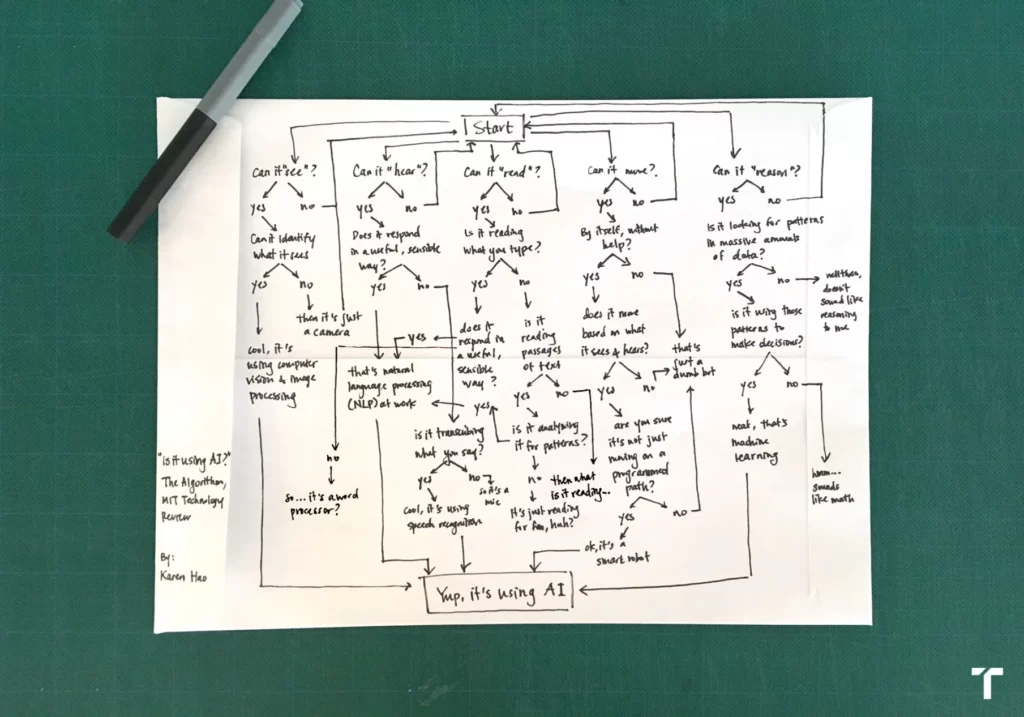
                        Yet, leading AI scientists say world leadership still need to wake up to AI (University of Oxford, 2024). If you are unsure what AI is then MIT (2018) designed a great flow chart to help people understand what is (and what isn’t) artificial intelligence.


                        In fact, AI is not the only technology transforming the world of work which leadership teams currently need to be aware of. Cloud-based technology, 5G, virtual reality, the Internet of Things (IoT), Blockchain, 3D printing, Robotics and much more are all transforming the world of work for everyone, faster than ever before.


                        So what do leaders need to know?


                        1. What is the purpose of their organisation?

                        The World Economic Forum outlines how the fourth industrial revolution is changing the way we live, work and relate to one another (WEF, 2024). Businesses add value in increasingly complex ways, which means having a clear, well-communicated and understood purpose is fundamental to ensuring success.


                        Simon Sinek (2009) outlined the importance of ‘WHY’. Since then many businesses have gone bust because they lost their focus on ‘why’, one great example being Blockbuster.


                        Blockbuster grew from a single store to a chain of over 9,000 locations in over two decades, but its fate was sealed when it failed to acquire Netflix. At the time Netflix was a successful start-up, not yet five years old. With the same purpose, both solutions provided access for people to watch movies or programmes, without having to buy them. Yet, the focus on how (customers visit the stores) was overtaken by the much more convenient download/stream solution. This led to the demise of Blockbuster. Allowing leaders to learn from the mistakes of the past.


                        The leaders of Blockbuster failed to protect the purpose of the company. Just as Blockbuster failed to make decisions aligned with its purpose – no more so than when it decided not to acquire Netflix. Subsequently, it took the company another six years to launch an online offering – by which time it was too late to turn around the failing business. Which leads to the second element.


                        2. How leaders make effective decisions – fast!

                        All leadership teams need to be able to make effective decisions. They don’t always need to make the right decisions, but they do need to be effective. On average humans make 35,000 decisions a day (Kahnman, 2011), the majority of which are unconscious. Over the last three years, the volume of daily decisions has increased tenfold with 85% of business leaders experiencing decision stress in 2023 (HBR, 2023).


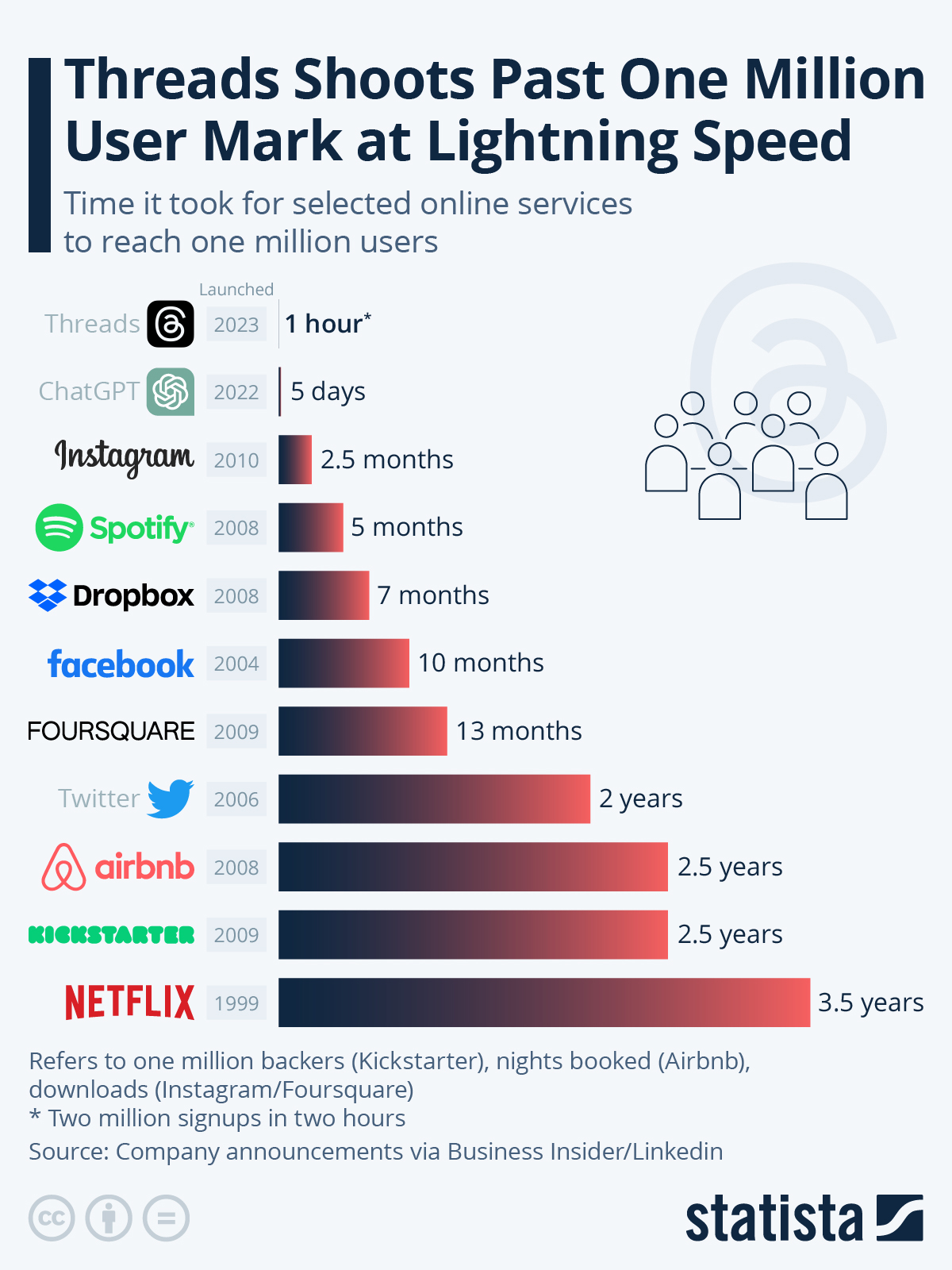
                        This is not surprising when you consider the pace of change. Statista recently published their findings about how fast different online services were being adopted – the rate of pace change has been phenomenal.


                        Statista - threads shoots past one million user mark at lightning speed


                        Today, leaders can’t afford to ‘wait and see’.


                        Leadership teams need to make effective decisions quicker than ever before. Blockbuster was so worried about losing its current market and focused on adding value (e.g. introducing food offers to the stores) that it failed to pivot and embrace the changing landscape. In reality, the decision-making in the Blockbuster C-suite wasn’t aligned with its purpose, wasn’t timely and ultimately contributed to its offering becoming obsolete.


                        A systematic approach

                        Leaders who use a systematic approach to decision-making have been shown to make more effective decisions. Whilst decision making is a balance of intuition and evidence leader’s must define the decision being made.


                        Gathering relevant information, identifying alternatives, weighing the evidence, choosing the best option, taking action, and reviewing the outcomes is the process. Coaching, decision workshops and supported decision-making to help leaders make effective decisions fast can be crucial.


                        Strategies such as rational analysis, intuitive decision-making, SWOT analysis, cost-benefit analysis, decision matrices, seeking feedback, scenario planning, and avoiding biases like overconfidence and groupthink are vital. Selecting a suitable tool, which suits your situation (e.g. decision trees, software, mind maps, etc.) can also aid the process.


                        The key is to balance structured methodology and psychological fundamentals to empower leadership teams to make informed and effective choices on behalf of their organisation. So what else is important?


                        3. Beware of Fear of Missing Out (FOMO)

                        Fear of Missing Out (FOMO) is a psychological phenomenon. It is the feeling of anxiety when something is happening elsewhere. FOMO has increased significantly in recent years due to the rise of social media.


                        Years ago it was more difficult to see or know about what was going on elsewhere. However, today FOMO occurs when individuals feel anxious and insecure about missing out on rewarding experiences others might be having.


                        Currently, everyone is talking about AI. Many people, including business leaders, are talking about AI. So the risk of FOMO is significant. This compulsion to stay connected, on topic and be part of the pack often leads to compulsive shifts in our attention. Yet there is a negative side.


                        The constant comparison to others can impact individual confidence, reduce self-esteem and impact mental wellbeing. Questioning oneself, being unsure what to do next and feelings of isolation can all manifest as a result of FOMO. The important thing for leaders is to be aware of this, to learn how to manage it, and to focus on trusting their abilities, which leads to the next piece of knowledge.


                        4. Focus Management in Leadrship – avoid tunnel vision

                        The prolific rise of AI in our media, events, and businesses is at risk of causing many leaders to have tunnel vision. In reality, AI is just one slice of a very large technological pie that leaders can choose from. The best bit is you don’t need to just have one part of the pie! The key is picking the elements which drive value in your business or team.


                        The ability to manage focus is fundamental for any successful leader. The human brain processes 40 pieces of information per second consciously, whereas unconsciously it is thought brains process up to 11 million pieces of information per second. Being aware of the psychology behind human thought is fundamental in helping leaders empower teams to deliver effectively.


                        The psychology behind attention focus involves selectively concentrating on specific information while ignoring other stimuli.


                        Selective attention, allows us to focus on one task while excluding distractions, and divided attention allows us to manage multiple tasks. Sustained attention is the ability to maintain focus over time, whilst executive control involves higher-order processes like planning and decision-making. Having a basic understanding of the psychology of attention focus is critical for all successful leaders striving to ensure their teams are successful.


                        5. Everything is Connected

                        A clear and well-communicated purpose

                        The purpose of your organisation is its guiding light, especially amid technological disruption. A clear and well-communicated purpose ensures everyone is aligned towards common goals. Take the cautionary tale of Blockbuster, whose failure to adapt to changing consumer preferences led to its downfall.


                        Leadership teams must constantly reaffirm their organisation’s ‘why’ to stay relevant in today’s dynamic environment.


                        Systematic approaches

                        With the speed of change accelerating, leaders can’t afford to procrastinate. Effective decision-making is crucial, even amidst uncertainty. Utilise systematic approaches like SWOT analysis and decision matrices to weigh options swiftly.


                        Embrace a blend of intuition and evidence to make informed choices, and don’t shy away from seeking feedback. Remember, timely decisions, even if not always perfect, are key to staying ahead.


                        Guard against FOMO

                        In the age of social media and constant connectivity, FOMO is a real threat to effective leadership. The hype around AI, for instance, can lead to impulsive decisions driven by fear rather than rationality. Leaders must guard against FOMO by trusting their instincts and focusing on what truly matters for their organisation.


                        Confidence in your abilities and a clear vision will shield you from the distractions of comparison.


                        Manage focus

                        While AI might be dominating the headlines, leaders must not lose sight of the broader technological landscape. Managing focus is paramount in a world inundated with information. Understand the psychology of attention and empower your team to filter out distractions. Recognise the importance of selective attention, divided attention, and sustained focus in driving success. By mastering focus management, leaders can steer their organisations towards sustainable growth amidst technological upheaval.


                        Conclusion

                        In conclusion, embracing technological advancements is essential for modern leaders. By defining purpose, making timely decisions, managing FOMO, and mastering focus, leadership teams can navigate the complexities of the digital age with confidence and clarity. Stay agile and focused, leading your organisation towards a brighter future.


                        Think Performance. Think Excellence. Think Impact.

                        Check our Insights page for more valuable information.


                        More about Artifical Intelligence

                        There’s more about Artifical Intelligence in this Think Organisation Post: Why Workplace Culture is More Important than AI

                        Alternatively, copy and paste this link into your browser: https://cortex.clyq.co.uk/why-workplace-culture-is-more-important-than-ai/

                        What Every Leader Needs to Know About Culture Consultants

                        Organisational culture is the way things are done in an organisation. Organisational Psychologists are taught how to assess and shape organisational cultures. There is extensive scientific research outlining ways to define, measure or manage culture. Today, it is generally agreed that organisational culture is the deep rooted set of values, beliefs, attitudes and behaviours that define the ‘was we do things’ at this organisation.

                        Within an organisation there are explicit, and implicit, codes on how employees should interact with each other, clients and stakeholders. How an organisation makes decisions is driven by its culture. Any interventions implemented need to be embedded within the organisation to create sustainable change. Researchers, often separate organisational climate from organisational culture. Climate being the current, or short-term, mood of the organisation. Climate can fluctuate widely – often due to external influences and can be positive or negative.

                        The Rise of Cultural Consultants

                        Twenty years ago people used to laugh at our Co-Founder, Sarah Clarke, when she said she could measure and change organisational culture. Sarah started as an Assistant Manager in a well known outdoor retail store which has been poor-performing with high staff turnover. It was here that Sarah successfully changed her first organisational culture. She learnt how to apply the practical elements of her Psychology degree to assess the current explicit and implicit assumptions which were driving the current culture.

                        By working with the team, and the managers, it was a matter of months before the store was high-performing. Under her stewardship staff were engaged, the customers spent more money, and employee sickness decreased significantly. The first employee survey highlighted how everyone felt much better off, with higher general well-being due to the changes made based on the science of human behaviour.

                        A few years earlier, Steph Durbin was delivering transformations in food retail stores which she led as a manager. The ability to set high standards, whilst ‘walking the walk’, and getting involved in role modelling expectations ensured that Steph successfully transformed cultures across her whole suite of stores. At the time Steph followed her instinct, and didn’t call herself a Culture Consultant. She was a manager, and the culture she created highlighted the importance of an aligned way of working. In fact, culture wasn’t something you needed to always be there to manage – it existed on its own.

                        Fast forward twenty years, over 30 industries, plus a collection of internationally recognised qualifications in Occupational Psychology and Executive Coaching. Steph and Sarah find themselves networking with a whole new breed of ‘Culture Consultants’. Whether it is the HR expert who has renamed their title to culture expert, or the health and well-being expert who calls themselves ‘Culture Consultants’ to help market their wellbeing offer.

                        This got the team at Think Organisation thinking . . .

                        What is an Organisational Culture Consultant?

                        A consultant is someone who provides expert advice professionally. They provide expert advice, guidance, and solutions to individuals or organisations in a particular field or industry. Consultants typically have specialised knowledge, skills, and experience in areas such as management, finance, technology, marketing, human resources, or other specific domains. Usually, consultants are hired temporarily, to help solve problems, improve processes, implement changes, or provide strategic direction. Consultants often work independently or as part of consulting firms, and they frequently serve a variety of clients across different sectors.

                        An Organisational Culture Consultant is a specialist who helps organisations assess, understand, develop, and manage their workplace culture. They work closely with leaders, managers, and employees to identify the current culture, define the desired culture, and implement strategies to align the organisation’s values, beliefs, behaviours, and practices.

                        These consultants typically conduct assessments, surveys, interviews, and observations to gain insights into the existing culture. Based on their findings, Organisational Culture Consultants collaborate with stakeholders. They develop interventions, initiatives, and programmes aimed at shaping and improving the culture to support the organisation’s goals, mission, and vision ensuring it is sustained even when they finish their work.

                        Organisational Culture Consultants often provide training, coaching, and support to leaders and teams. They work with individuals, teams and organisations to foster cultures of inclusivity, collaboration, innovation, and high performance. They play a crucial role in helping organisations adapt to change, enhance employee engagement, and create a positive work environment.

                        What should organisations look for in a Culture Consultant?

                        Organisations need to look for experience in changing cultures, backed up by measurements and numbers including impact on productivity, performance and profit.

                        Below is a checklist of questions to help organisations ensure they recruit a qualified and experienced Organisational Culture Consultant, who has a proven track record of delivering measurable ROI.

                        1. Can you please describe your experience of assessing and shaping organisational culture?
                        2. How do you typically approach understanding an organisation’s current culture?
                        3. What strategies and cultural models do you prefer to use for your assessments?
                        4. Can you provide examples of successful culture transformation projects you’ve led?
                        5. How do you ensure cultural interventions are sustainable and embedded within an organisation?
                        6. What methods do you employ to engage leaders, managers, and employees in the culture change process?
                        7. How do you measure the effectiveness of cultural initiatives and interventions?
                        8. Can you share your approach to addressing cultural challenges within diverse or multinational organisations?
                        9. How do you stay updated on industry trends and best practices related to organisational culture?
                        10. What do you believe sets you apart as a Culture Consultant and makes you well-suited to work with our organisation?

                        What are high quality answers?

                        Prospective consultants should be able to articulate their experience in assessing and shaping organisational culture. This involves being able to explain their methodology, the types of organisations they’ve worked with, and the outcomes they’ve achieved. They should be able to provide insights into their approach, such as conducting assessments, surveys, interviews, and observations to gain a comprehensive understanding of the current culture. They should be able to outline some of the theory behind implementing strategies to effect positive change.

                        Organisations need assurance that any cultural interventions implemented by the consultant will be sustainable and deeply embedded within the organisation. Consultants should demonstrate their ability to create lasting change by fostering buy-in at all levels of the organisation, developing internal change champions, and integrating cultural initiatives into existing processes and systems. They should be able to share examples of how they’ve ensured sustainability in previous projects and how they plan to do so in the future.

                        Organisations must see tangible evidence of a consultant’s ability to lead successful culture transformation projects. Consultants should be prepared to provide specific examples of past projects where they’ve effectively assessed, reshaped, and improved organisational culture. A Culture Consultant should highlight their key achievements, such as increased employee engagement, improved performance metrics, and positive impacts on overall organisational health. These examples serve as concrete proof of the consultant’s expertise and effectiveness in driving cultural change.

                        In addition, consultants should be able to provide references for organisations who they have worked with before.

                        If you would like to hear our responses to the questions above please contact us.

                        Think Performance. Think Excellence. Think Impact.

                        Check our Insights page for more valuable information.

                        Adversity – Why Individuals, Teams and Organisations Need Coaching

                        Overcoming adversity and being resilient are all words which are frequently used in our workplaces today. Many leaders contact Think Organisation asking for training or coaching to help themselves, or their teams, learn how to be more resilient. So, it got us thinking….


                        What do organisations really need to know about adversity and resilience to help them be more successful?

                        Adversity is a state or instance of serious or continued difficulty or misfortune. It is something which is based on perception. Perception is the way in which an individual will see, hear or become aware of something through their own senses.


                        Perception is how an individual understands, regards or interprets a situation, behaviour, object or anything they may meet in this world.


                        Everyone has different perceptions so what is adversity for one person, may be mundane for another. Time, experience and life impacts our perception.


                        For one person, overcoming adversity maybe something like being able to get up from the sofa and walk to the shop. For someone else, overcoming adversity may be being able to jump out of a moving plane at 30,000 feet. Another person may find walking into a room of people they don’t know overcoming adversity.


                        A different person may find having a shower for the first time in four years the most extreme form of adversity they have ever overcome. Whereas, another person may overcome adversity by being brave enough to continue posting on social media, despite negative backlash. It may be that another person finds picking themselves up after they have lost someone they love overcoming adversity.


                        All of these statements are examples of extreme adversity which someone has shared about how they have overcome adversity.


                        How do we overcome adversity?

                        Being able to bounce back, and overcome adversity is called resilience. Resilience is multi-faceted and is never constant.


                        Googling ‘resilience‘ leads to swathes of training courses claiming to ‘teach you how to focus on the better parts of your life to adapt to tough events‘.


                        The challenge is that this theoretical training can often intensify issues, especially if not done by a professional (e.g. Psychologist, Counsellor).


                        Imagine reading a book on how to ride a bike, then being expected to ride a bike straight away. This is part of the challenge. Resilience is not just something you can read about to increase it. In fact, often we see people taking a dip in resilience levels once support is introduced.


                        Resilience needs to be cultivated, managed and grown because it is a multi-faceted complex concept reliant on many internal and external factors.


                        It is generally agreed that everyone has a finite capacity for resilience.


                        A person’s competence, confidence, connections, character, contributions, coping strategies and locus of control can all influence their ability to overcome adversity.


                        Numerous research studies have shown the ability to overcome adversity leads to better health, mental wellbeing and life satisfaction (Psychology Today, 2020). It is important to note we are talking about adversity, not extreme events which can result in trauma.


                        Overcoming adversity has the following benefits


                        • Problem-Solving Skills are developed as adversity presents an opportunity to think creatively and overcome challenges which wouldn’t normally be presented.
                        • Confidence is increased when adversity is conquered, as people gain a sense of accomplishment and belief in their abilities to overcome future obstacles.
                        • Emotional intelligence is developed, especially in children, as they learn to recognise their own emotions and empathise with others.
                        • Personal Growth arises as individuals step out of their comfort zones, allowing them to learn valuable life lessons and foster a greater sense of self-awareness.
                        • Builds stronger relationships as people seek support from friends, family and colleagues, often collaborating to overcome problems and sharing struggles which creates a supportive network.
                        • Inspiration grows when adversity is successfully overcome as knowing something had been overcome fuels determination to pursue future endeavours
                        • Compassion increases as people who have experienced adversity firsthand can cultivate compassion and empathy toward others facing similar challenges, many people from diverse perspective are united through adversity.


                        Individuals and Adversity

                        During a time of adversity it is important to be in the moment, being kind to yourself and trusting your instincts to tell you what you need.


                        Often people go through stages of shock, emotion, rationalisation, and struggle to gain their thoughts. However, as the adversity subsides, or when you are ready start to think about:


                        • What does adversity look like for you?
                        • What adversity have you overcome?
                        • What did you learn as a result of this?
                        • How can you ensure you put these learnings into practice?


                        Adversity in Teams

                        At a team level it is important to talk to others, especially as businesses can go through adversity and everyone will have a different perspective.


                        What one team member may find exciting, another may find worrying or someone else might find terrifying.


                        Understanding your team members through psychometrics can help speed up this process, and develop deeper understanding between members enhancing the team’s ability to deal with adversity.


                        Questions to discuss as a team:


                        • What does adversity look like for your team?
                        • How does your organisation respond to adversity?
                        • Is there anything your team can learn from past challenges?
                        • How can learnings be shared across teams?


                        Organisational Adversity

                        How does our organisation define and perceive adversity, and how does this perception influence our approach to overcoming challenges?


                        What specific strategies or resources has our organisation utilised in the past to navigate through adversity, and how effective were they?


                        In what ways can our organisation foster resilience across teams, empowering employees to leverage our collective strengths to better prepare for and respond to future adversities?


                        Leaders Need to be able to Coach

                        In today’s dynamic business landscape, the ability to navigate adversity is essential for organisational success.


                        Understanding and effectively addressing challenges can mean the difference between thriving and merely surviving. Here’s some valuable advice for organisations seeking to enhance their resilience and overcome adversity:


                        1. Perception Matters: Recognise that adversity is subjective and can vary greatly among individuals. What one person perceives as a significant challenge may not hold the same weight for another. Embrace diverse perspectives within your organisation and consider how different perceptions of adversity may influence your approach to problem-solving and resilience-building.

                        2. Proactive Planning: Prepare for adversity before it strikes. Develop robust crisis management protocols, establish clear communication channels, and identify key stakeholders who can provide support during challenging times. Proactive planning allows organisations to anticipate potential challenges and respond effectively when adversity arises.

                        3. Learn from Experience: Reflect on past experiences with adversity and leverage them as learning opportunities. Evaluate the effectiveness of strategies and resources employed in previous challenges, and identify areas for improvement. By learning from experience, organisations can refine their approach to resilience-building and enhance their ability to overcome future obstacles.

                        4. Foster a Resilient Culture: Cultivate a culture of resilience within your organisation. Encourage open communication, trust, and collaboration among team members. Invest in training and development initiatives that equip employees with the skills and resources needed to cope with adversity. By fostering a resilient culture, organisations can empower their teams to navigate challenges with confidence and adaptability.

                        5. Leverage Collective Strengths: Recognise that resilience is not just an individual attribute but also a collective strength. Leverage the diverse talents and perspectives within your organisation to develop innovative solutions to complex challenges. Encourage cross-functional collaboration and knowledge-sharing to harness the collective strengths of your team.


                        Summary

                        Navigating adversity is a fundamental aspect of organisational success. By embracing diverse perspectives, proactively planning for challenges, learning from experience, fostering a resilient culture, and leveraging collective strengths, organisations can enhance their resilience and overcome adversity with confidence.


                        If you would like support coaching your team through adversity please reach out and book a free 30-minute consultation with Think Organisation.


                        Think Performance. Think Excellence. Think Impact.


                        *All statements about overcoming adversity are based on personal experiences or experience shared by others e.g Jack Nolan.

                        Check our Insights page for more valuable information.

                        More about Coaching

                        There’s more about Coaching in this Think Organisation Post: How to Ensure You Have a Credible Coach


                        Alternatively, copy and paste this link into your browser: https://cortex.clyq.co.uk/how-to-ensure-you-have-a-credible-coach/


                        How To Integrate Psychology Into Training To Deliver Optimal Results

                        In the UK, companies invest an average of £1,500 per employee annually on training (Employer Skills Survey, 2023).


                        Despite this significant expenditure, many struggle to quantify the value added by these training initiatives, particularly when employing a one-size-fits-all approach known as the “sheep dip” method.


                        This term, borrowed from the farming world where sheep are collectively treated with insecticide, describes a standardised training programme often labelled as “Refresher Courses.”


                        However, amidst economic downturns, training budgets often come under scrutiny, with many considering cost-cutting measures. But is this approach short-sighted?


                        Think about driving a car.

                        Consider the analogy of learning to drive a car, a task that requires mastering technical elements, adjusting behaviours, and finding motivation amidst challenges. Just as each driver has unique needs and experiences, employees also have diverse learning styles and preferences.


                        The journey of learning to drive involves overcoming obstacles, such as understanding road signs, mastering vehicle controls, and adapting to traffic conditions.


                        Similarly, employees face challenges in acquiring new skills or behaviours, such as embracing new software or complying with safety protocols.


                        Training is the process of imparting specific skills or behaviours.

                        Training, fundamentally, is the process of imparting specific skills or behaviours, yet statistics reveal concerning gaps in training provision. 36% of UK employees are receiving no training or even a basic induction when starting a new job. A recent case study illustrates this further, where a company slashed its £200k training budget due to a perceived lack of returns and employee buy-in. Employees cited time constraints and perceived lack of benefits as reasons for resistance to training. However, a closer analysis by Think Organisation revealed that the root cause lay in the absence of clearly defined objectives for the training programmes.


                        In today’s ever-evolving business landscape, investing in employee training is not just about imparting knowledge. It’s also about understanding the intricacies of human psychology to enhance learning outcomes.


                        Addressing these issues requires a comprehensive understanding of psychology to optimise training effectiveness.


                        By aligning training objectives with intrinsic motivators, tailoring programmes to diverse learning styles, and measuring success beyond quantitative metrics, organisations can break free from the cycle of ineffective training.


                        Investing in training that speaks to employees’ motivations not only enhances performance but also fosters a culture of continuous improvement and psychological well-being within the workforce.


                        1. Defining Training Objectives

                        At the heart of every successful training endeavour lies a clear definition of its objectives. However, delving deeper into psychology reveals that these objectives should not only address skill enhancement or compliance but also tap into intrinsic motivators.


                        For instance, when learning to drive a car, objectives go beyond mere technical proficiency; they encompass a sense of independence, freedom, and safety. By aligning training goals with these intrinsic motivators, organisations can create a more compelling narrative that fosters enthusiasm and commitment towards learning.


                        2. Tailoring Training to Audience Needs

                        Understanding the diverse learning styles and preferences of employees is vital, but psychology sheds light on the underlying mechanisms of effective learning.


                        For example, concepts like cognitive load theory and spaced repetition can optimise information retention and transfer when learning to drive. Tailoring training to accommodate these psychological principles could involve providing hands-on practice sessions, visual aids, and constructive feedback.


                        By creating immersive learning experiences that resonate with individuals on a deeper level, organisations can maximise engagement and knowledge retention, ultimately enhancing the effectiveness of training programmes.


                        3. Measuring Training Success

                        In the realm of psychology, measuring the success of training goes beyond mere quantitative metrics; it delves into the qualitative aspects of behavioural change and mindset shifts.


                        When learning to drive, success metrics could include not only passing a driving test but also exhibiting safe driving habits and confidence on the road. By incorporating techniques such as behavioural observation and self-reporting, organisations can gain valuable insights into the psychological impact of training on employees.


                        This holistic approach not only provides a more nuanced understanding of training effectiveness but also fosters a culture of continuous improvement and psychological well-being within the workforce.


                        In summary . . .

                        As organisations navigate the complexities of employee development, integrating psychological principles into training initiatives can be a game-changer.


                        By defining objectives that resonate with intrinsic motivators, tailoring training to leverage cognitive psychology, and measuring success through behavioural insights, companies can unlock the full potential of their workforce.


                        Ultimately, by understanding the psychology behind effective training, organisations can cultivate a learning culture that not only drives performance but also nurtures the psychological well-being of employees.


                        Empower your workforce with training that speaks to their intrinsic motivations; invest in programmes that harness the power of psychology to drive impactful learning.


                        Think Performance. Think Excellence. Think Impact.

                        If you would like help ensuring your training delivers return on investment reach out to the Think Organisation.

                        More about Workplace Psychology

                        There’s more about Workplace Psychology in this Think Organisation Post: 99 Ways a Business Psychologist Can Imprive Your Workplace

                        Alternatively, copy and paste this link into your browser: https://cortex.clyq.co.uk/99-ways-a-business-psychologist-can-improve-your-workplace/

                        Why do we need Pac-Man for diversity and inclusion?

                        Have you ever thought about your childhood experience, and how this experience impacts your thoughts and perceptions of diversity and inclusion today?

                        This weekend I visited the awesome Arcade Club in Bury, where I time-travelled back to my youth to play Pac-Man, Golden Axe, OutRun, Mortal Kombat, Arachnoid, Gauntlet and many other games my fortysomething brain had only been able to reminisce about in recent years.

                        As a psychologist, I couldn’t help analysing the messages these games were sending as I laughed and joked with my partner.

                        For example:

                        1) scantily-dressed women in OutRun who had a small repertoire of compliments for the male driver (no female or gender neutral options here)

                        2) the fighting games which had a high proportion of pale-skinned good guys, versus dark-skinned bad guys

                        3) the general focus on men fighting, with the odd female bystander occasionally added for some variety or as a small character in part of a team

                        4) magic, strength, agility and speed were the only competencies required for the characters locked in this treasure trove of arcade machines from the 1980s

                        And it got me thinking, how often do we think about the messages we received when we were young?  

                        A human brain operates on a conscious, subconscious and unconscious level all the time. We digest food without thinking about it. We make judgements based on past experiences. In fact, everyone’s behaviour can be based on thoughts which may or may not be true.

                        Our brains receive over 11 million bits of information per second, yet we only have the capacity to consciously process 40-50 bits of information, meaning our subconscious mind picks up almost 11 million bits of information we have no recollection of.

                        MIodinow, 2012

                        Even if we try to think about what we are missing, we can’t possibly – just as if we try to think about how we digest things, we can’t. But that doesn’t mean we can’t observe, learn and improve the processes. It is a fact that culture influences how we see the world and the decisions we make, so why don’t we talk about it more and listen to understand others?

                        Culture influences how we see the world, especially in terms of diversity and inclusion.  

                        During my childhood, I repeatedly received the following messages which I am conscious of.

                        • G.I. Joe is action-packed for boys
                        • Barbie is for girls
                        • Boys like fighting, being noisy and adventure
                        • Girls like cooking, being creative and art

                        Think about it.

                        Even Ken, who was with Barbie, at the time, was very different to G.I. Joe. In fact, despite being the same sort of toy and very similar, his physique and character were very different because he was aimed at a different audience.

                        This translated into men should be fit, strong and look after the woman whilst women should be skinny, attractive and support the men. This message came across in music, movies, TV programmes and even on breakfast cereal (remember the Mr T cereal?!?). Have a think about the movies, music, TV or radio programmes that you grew up with. What messages did they send to you? What stories did they communicate to you? I dare you to google a few and watch them to see what you notice.  

                        Reflect on the past to change the future of inclusion.

                        You see, this is where our unconscious biases come into play. There is a huge gap between the 11 million unconscious bits of information we receive and draw conclusions from, often forming stereotypes, compared to the few micro bits of information we may consciously process, albeit often automatically.  

                        But challenge your memories about diversity.

                        I remember going into school after Christmas one year, extremely excited that I had got a transformer (despite my parents frequently asking are you sure you want one?). But, everyone laughed at me.

                        Many girls had their new Barbie dream houses, others had a Cindy doll (you seemed to have allegiance to one or the other as far as I recall). I remember a friend saying: “You can’t have a Barbie and a Cindy as they aren’t friends. You get one or the other”.

                        Even that one statement “everyone laughing at me” is an unhelpful thought as, in reality, it was only two people. I even remember their names, but because of how uncomfortable I felt at the time, I have over-generalised this experience for years. Because this is what it felt like to my young brain – I shouldn’t be playing with transformers as I wasn’t a boy. I felt embarrassed that I hadn’t lived up to people’s expectations.   

                        The reason for this story is in 2024 children are growing up with very different messages about diversity and inclusion.

                        Today, thankfully, gender neutrality is common, but by no means perfect, and gone are the scantily-clad passenger women in arcade cars whilst the men take charge. Since those messages, I have travelled the world, and learnt and experienced many things but I still have many biases in my thinking because WE ALL DO. I can never understand what it is for a black person to experience the challenges they may have faced, or be someone who has to “come out”. But working with people who have lived experiences such as these make me realise the importance of our childhood experiences, and the subsequent stories we tell ourselves.

                        We must all listen to others, and seek to understand diversity and inclusion.

                        The only thing we can all do is listen to others (and I mean really listen, seeking to understand), learn, and keep learning, to ensure we improve our diversity intelligence (Anderson, 2021 ) and continue to make the world a more inclusive place for everyone.  

                        Think Organisation is founded on the premise that work is all about people. Every person thinks differently. Fact. Empowering individuals, bringing diverse teams together, and ensuring organisational cultures are inclusive is what we do, repeatedly, with a wide variety of clients. We do this using our extensive practical experience of human behaviour, underpinned by decades of scientific research.

                        So, bring on Pac-Woman, Pac-Person and every other individual who wants to join the pack of inclusion.

                        Think Performance. Think Excellence. Think Impact.  

                        Adapted from an article originally published on LinkedIn, March 2nd, 2023.

                        Is Your Culture Delivering Successful Results?

                        A successful organisation is one which accomplishes its aim or purpose. To do this, people need to be willing, able and aligned. A culture, with highly engaged employees, has been repeatedly proven to deliver significantly higher results.


                        So how do you know if your culture is delivering results?  

                        Firstly, it is vital to know what exceptional results look like for your organisation. When Think Organisation conduct our diagnoses, cultures which do not deliver results frequently come back to an inattention to results.


                        Results which lack clarity, are inconsistent, uncollaborative and are poorly communicated will guarantee your culture is not delivering results.


                        Focusing on outcomes, impact and effective measurements allows the culture to suddenly start supporting the delivery of results.


                        Is your organisation just ticking boxes when it comes to results? If so, we would recommend you spend some time identifying your Big Hairy Audacious Goals (BHAGs). This format has been around for years and creates a great starting point for creating objectives and key results Collins & Porras (1994)


                        Secondly, do your teams know how they contribute to delivering exceptional results? An effective culture creates a golden thread of consistency between teams. Each team trusts the other teams to deliver their part. There is collaboration, health conflict and creativity across the teams to ensure that everyone contributes. Together the teams deliver exceptional results. 


                        Thirdly, does it really matter? One large bank, invested significant sums in marketing why their bank was different, focusing on purpose. But in reality, their behaviour was not aligned with this purpose. When the pressure was on for profit, the claimed purpose suddenly became less important. Your culture will not be delivering results if it doesn’t matter. 


                        So if you know your why, the purpose and the aim of your organisation. Then, have you communicated these consistently across your organisation. How do you know if your culture is delivering results?   


                        Look back over the last year – did your organisation achieve all it aspired to? Was your culture consistent with the aspirations you had? Would someone experiencing your culture use the same terms? Would it match the behaviours, competencies and values which leaders claim set the culture apart from your competitors?


                        Many clients come to Think Organisation to use our own independent measures including psychological safety, culture, toxicity and inclusivity. However, we often work with global assessments, including Investors in People, Best Companies, and a Better Place to Work, which clients already use. These tools each bring a different perspective into a business. But so often, clients do not know where to start in terms of how they ensure their culture delivers results.  


                        The challenge is that humans don’t always do what is asked, and often, the brain reacts in ways which are unanticipated by leaders.


                        The objective of “we need to impact a million people in a year” led to one company broadening their definition of impact, creating a culture where people celebrated a diluted success.


                        A result focus of increasing the numbers of potential customers a company connects with can lead to significant wasted effort, and a much lower conversion rate, in addition to creating highly frustrated employees.


                        Finally, and in some ways the most fundamental element of whether your culture delivers results is – how do results get ticked off?


                        Many organisations have a culture which spends three months per annum designing suitable objectives, yet a year later there is a quick tick or yes/no before moving on to the next cycle. This culture creates frustration, as people need autonomy, mastery and purpose to be motivated (Pink, 2018).


                        Think Organisation recommends real-time management, so time is spent effectively. There are many technical solutions which can help with this. But fundamentally the system is about creating visibility, empowering employees to be accountable, have purpose and be able to master their own roles using their own strengths.


                        Each thread winds together, across teams and the organisation to ensure everyone moves towards the purpose and aim of the organisation, spending time adding value, not ticking boxes.  


                        An organisation can determine if its culture is delivering results by assessing whether its objectives are consistently achieved, if there is clarity and alignment in the goals set, and if there is a culture of collaboration, accountability, and continuous improvement.


                        Summary

                        How can an organisation determine if its culture is delivering results?

                        Factors contributing to a culture that successfully delivers exceptional results include clear communication of objectives, fostering collaboration and trust among teams, ensuring alignment with the organisation’s purpose, and providing autonomy, mastery, and purpose to employees to keep them motivated.


                        Why do some organisations struggle to achieve their goals despite having clear objectives and purposes?


                        Some organisations struggle to achieve their goals despite having clear objectives and purposes due to a lack of alignment between stated values and actual behaviours, inadequate communication of goals and expectations, and a failure to empower employees to take ownership of their roles and contribute effectively to the organisation’s mission.


                        Think Performance. Think Excellence. Think Impact. 


                        More about Culture

                        There’s more about Culture in this Think Organisation Post: What Every Leader Needs to Know About Culture Consultants

                        Alternatively, copy and paste this link into your browser: https://cortex.clyq.co.uk/what-every-leader-needs-to-know-about-culture-consultants/

                        Transform Culture To Unleash Peak Performance

                        In the fast-paced world of business, where every decision impacts the bottom line, organisational culture emerges as a pivotal force, it can either propel a company to new heights or impede its progress.


                        How do leaders ensure an organisational culture drives peak performance?


                        At Think Organisation, we don’t just recognise the importance of organisational culture; we specialise in transforming it to unlock peak performance.


                        Our approach is not just intuitive; it’s backed by science and evidence-based interventions that deliver measurable impacts on business, productivity, and profit. 


                        The Power of Organisational Culture

                        Organisational culture isn’t just a buzzword; it’s a game-changer.


                        Over recent years the number of business leaders referring to culture has increased exponentially, with publications increasing in leading business publications.

                        Leading business publications referring to 'culture' over the last few years. According to a study by Deloitte (2019), 94% of executives and 88% of employees believe a distinct workplace culture is crucial for business success. This increased significantly during the pandemic, where a sense of belonging became more important during remote working.

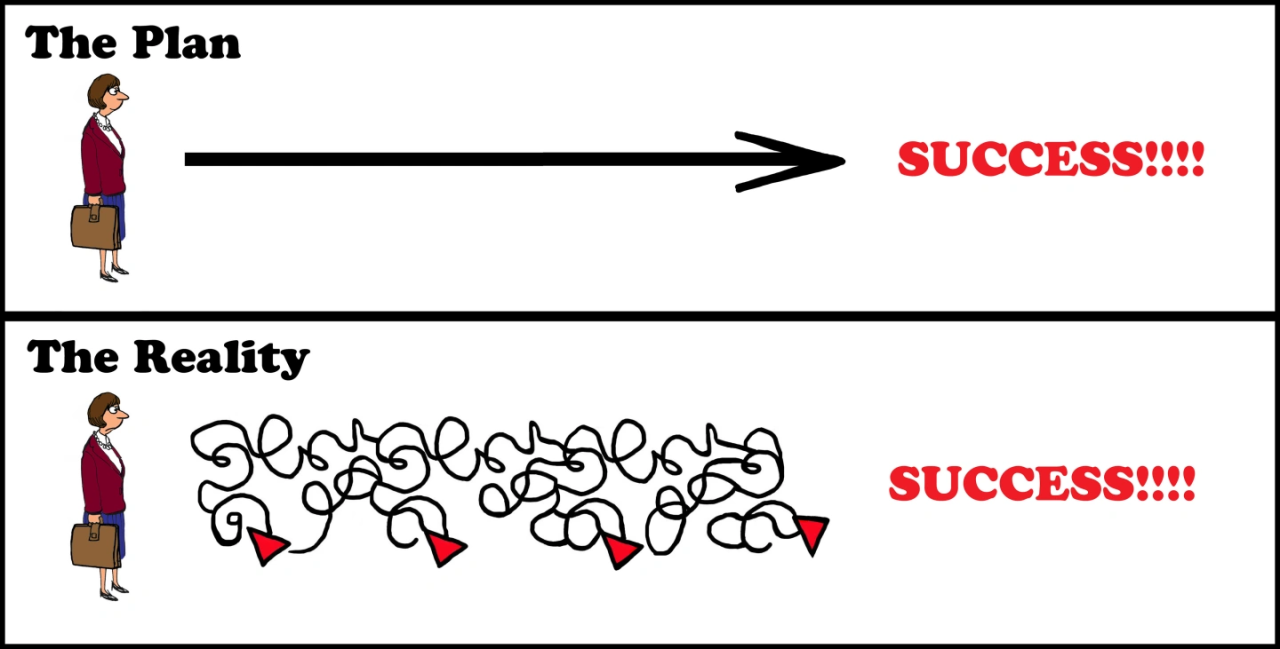
                        Belonging in the workplace is where an individual feels accepted, or even treasured, for their uniqueness.


                        A sense of belonging is one of the top three reasons employees give for leaving an employer, despite employers not quoting this in their top ten reasons why people leave (BPW, 2020). This research is supported further by BreathHR (2021), whose data showed almost a third of people are quitting their jobs due to poor workplace culture. The cost of this is currently estimated at £23.6bn every year.  


                        How can Think Organisation help transform your culture?

                        Our team at Think Organisation boasts a rare blend of skills, combining advanced knowledge in business psychology with a profound understanding of Organisational Culture.


                        According to a report by Harvard Business School, companies with a strong and adaptive culture show a 4x increase in revenue growth. Our unique expertise positions us as architects of culture, dedicated to reshaping and revitalising your organisation for sustained success. We use a wide selection of interventions including workshops, executive and CBT coaching, psychometric measures, surveys and behavioural observations.


                        The Science Behind Our Culture Interventions

                        What sets Think Organisation apart is our commitment to evidence-based interventions. According to a survey by the Great Place to Work Institute, companies with a strong workplace culture see a 65% decrease in employee turnover. Our strategies are not just theories; they are rooted in the latest advancements in Business Psychology and Organisational Science, ensuring we partner with you to create a workplace that attracts and retains top talent. 


                        Proven Results

                        Our interventions are not mere conjectures; they yield tangible, measurable results. A study by Gallup found that companies with engaged employees outperform their counterparts by 202% in terms of profitability. Our clients witness a more engaged, innovative, and resilient leadership team, leading to a positive impact on the bottom line.  


                        Building a Culture of Excellence

                        At Think Organisation, we partner with your leadership team, to build a culture of excellence within your company. Research shows that companies with a strong culture see at least a 20% increase in productivity.


                        Our interventions are designed to align seamlessly with your organisation’s goals and existing culture, ensuring a harmonious transformation that positively impacts productivity and efficiency.


                        Recent clients have enjoyed in excess of 400% ROI, due to significant productivity gains, and sustainable improvements including higher employee engagement (e.g. NPS) and lower costs (e.g. sickness).  


                        Develop Continuous Learning for Sustainable Growth

                        Organisational dynamics evolve, and so should strategies for success. A study by the Boston Consulting Group found that organisations with a continuous learning culture have a 37% higher employee productivity rate.


                        Our commitment to continuous learning ensures that our interventions are adaptive and future-proof, setting the stage for sustained growth and resilience in the face of change. 


                        Why choose the Think Organisation? 

                        • Specialised Expertise:
                          • Our team brings a depth of knowledge in Business Psychology and Organisational Culture, offering a perspective that goes deeper than the surface. 
                        • Proven Methods:
                          • Our interventions are grounded in evidence-based practices, ensuring that every step we take is backed by science. 
                        • Transformational Approach
                          • We don’t settle for incremental change; we drive transformation that reshapes Organisational Culture from its core. 
                        • Measurable Impact:
                          • Our results speak for themselves, with improvements in performance metrics, profitability, and a more robust, engaged leadership team. 


                        In conclusion, if you’re looking to elevate your organisation to new heights and witness tangible impacts on productivity and profit, Think Organisation is your partner in transformative success.


                        At Think Organisation, we architect cultures that embody professionalism, excellence and resilience. Our methodology is bespoke, evidence-driven, and anchored in executive pragmatism, aligning closely with your company’s aspirations.  


                        In the meantime, here are five top tips that you can focus on in any organisation to improve organisational culture and deliver peak performance.


                        Top five strategies to improve culture


                        1. Improve your communication

                        Foster open and transparent communication channels with others and across the organisation. Start with your own behaviour. Encourage regular dialogue between leadership and employees, promoting a culture of trust and collaboration. Effective communication ensures that everyone is aligned with the company’s goals and values, fostering a sense of belonging and purpose. Ensure employees feel psychologically safe asking questions, making suggestions and sharing ideas through authentic encouragement.


                        2. Relevant recognition and rewards

                        This does not have to cost anything, saying thank you is free. Implementing a culture of recognition and appreciation to acknowledge employees’ contributions and achievements is fundamental. Being consistent, fair and transparent is key. Tailoring recognition and rewards to individuals helps drive a high-performance culture. Simple gestures such as expressing gratitude, providing praise in public if suited to the individual, or celebrating milestones can boost morale, motivation, and overall job satisfaction. Employees who feel valued and feel they are a part of their culture are proven to lead to improved performance.


                        3. Employee Development

                        Empowering employees to develop increases employee tenure. Invest in employee development and growth opportunities. Provide training, mentorship programs, and skill-building workshops to empower employees to reach their full potential. Supporting professional growth not only enhances individual performance but also strengthens the overall organisational capacity and resilience.


                        4. Empowerment & Autonomy

                        Delegate responsibility and empower employees to make decisions autonomously within their roles. Encourage innovation, creativity, and problem-solving by granting individuals the freedom to experiment and take ownership of their work. Empowered employees feel valued and engaged, leading to increased productivity and initiative.


                        5. Foster a positive work environment

                        Cultivate a positive and inclusive work environment where employees feel safe, respected, and valued. Support employees to have a positive work-life balance, flexibility, and promote well-being initiatives proven to support employees’ holistic needs. This does not just mean yoga at lunch! A positive workplace culture enhances morale, reduces stress, and fosters stronger interpersonal relationships, ultimately driving peak performance.


                        By prioritising these strategies, leaders can effectively improve organisational culture and drive peak performance without incurring significant costs. These initiatives not only benefit employees but also contribute to long-term organisational success and sustainability.


                        Think Performance. Think Excellence. Think Impact. 


                        Adapted from an article originally published Linked In, December 4th, 2023.

                        More about Culture

                        There’s more about Culture in this Think Organisation Post: Toxic Cultures : Behaviour is at the heart of scandal and failure

                        Alternatively, copy and paste this link into your browser: https://cortex.clyq.co.uk/toxic-culture-behaviour-is-at-the-heart-of-scandal-failure/

                        Are Poor Team Dynamics Causing You Leadership Frustration?

                        Many clients come to us frustrated about the performance of others. Wasted time, effort or poor quality results from individuals often lead to a whole team not adding the expected value.


                        Team: is a group of people working together for a common purpose, objective or goal.


                        Your role as a leader is multi-faceted

                        You need to be able to lead:

                        1. yourself 
                        2. a team of peers  
                        3. networks of teams, or projects
                        4. stakeholders


                        Technology has ensured many barriers are being broken down. This means a leader needs to ensure value is delivered across wide areas of their business. This has led to an increase in leaders contacting Think Organisation as their teams fail to add the value required.

                        A CEO can account for 45% of a company’s performance.

                        McKinsey (2023)


                        So how do successful leaders ensure their team is delivering value?

                        Value: something which is important, has monetary worth, or is regarded as beneficial or useful  


                        Create effective team dynamics.

                        Successful leaders understand how to understand and utilise team dynamics. This can be either through recognition of natural talent and ability or through skills and strengths training or development.


                        Team dynamics (first introduced by Kurt Lewin in 1947) assume the whole dominates the parts. This means the group can’t be the sum of the individual parts. Because the functioning of the group impacts the behaviour of each member, so, in a high-performing team this is greater than the sum of the parts, and in a low-performing team it is less.  


                        In the 1970’s Lewin’s research was developed by Tajfel and colleagues into social learning theory. This outlines how an individual’s sense of self is based on the groups to which they belong (Tajfel, 1978).


                        Have you ever felt you acted in a way just to fit in with the group? The science of human behaviour has been proven, repeatedly, to improve the value added by teams. Just asking them to be more effective, no matter how motivated they are, often won’t lead to any improvements.


                        Think Organisation has worked with hundreds of leaders, empowering them to understand the relationships between groups (intergroup relations), and between individuals and the group they are in (intragroup relations).


                        Improve negative, or detrimental behaviour

                        Teams with negative, or detrimental behaviours, can be improved without singling out individuals to create more inclusive cultures for everyone. All interventions delivered are based on extensive academic research (Gencer, 2019), grounded in extensive practical leadership experience, empowering attendees to improve performance.


                        Sarah Clarke CDir Fellow ABP researched the relationships between organisational culture, employee engagement and leaders relationships for her MSc in Occupational Psychology. With the advent of social media and other mobile technology, the speed, depth and scale of impact has grown exponentially. This has led to the current need for dynamic leaders who can inspire people, by being able to lead themselves and utilise this headwind created through group dynamics and technology.


                        Many barriers have been removed, and this allows people to identify with several different groups simultaneously. Real-time communication increases an individual’s cognitive identity, with the impact of social learning blurring the lines of teams. This means organisations can be impacted (positively or negatively) much faster than ever before, and that team dynamics can move much faster and be more sensitive.


                        A few pointers: 

                        If you are a leader frustrated about teams not adding the expected (or anticipated) value here are a few pointers:

                        1. Map the group dynamics in your team (inter & intra-group).
                          • Use a 0-10 scoring matrix for the performance/value added by individuals and teams.   
                        2. Ask and listen to your their thoughts, ideas and perceptions about how the they function.
                          • Discuss how value may be improved, empowering team members to work together to overcome challenges, or remove blockers.   
                        3. Ensure you all have clear metrics.
                          • It is crucial to ensure outputs correlate directly with outcomes.
                          • Misaligned metrics can veer a team off course and reduce value exponentially.
                        4. Foster behaviours to create a culture which is psychologically safe.
                          • Be authentic, supporting people to discuss challenges, share ideas as value is delivered in cultures with high psychological safety.
                        5. Utilise agile solutions, such as design sprints, to focus on specific challenges.
                          • Activities which help you work together effectuvely, designed to increase divergent and convergent thinking can lead to exceptional results. 


                        Read the research paper on Network Leadership (2022), which highlights some of the latest thinking, including current models. Getting started often begins with a conversation. So why don’t you share this article with your colleagues?


                        Frequently Asked Questions

                        How can leaders effectively map the dynamics within their teams, both intergroup and intragroup, to identify areas for improvement and enhance value creation?

                        Leaders can effectively map team dynamics by observing interactions within the team, assessing individual and team performance, and gathering feedback from team members about challenges and opportunities for improvement. By understanding how individuals interact with each other and how group dynamics influence behaviour, leaders can identify areas where interventions may be needed to enhance value creation.


                        In what ways can leaders ensure a psychologically safe culture within their teams, allowing for open discussions about challenges and fostering an environment conducive to driving value across different teams?

                        Leaders can create a psychologically safe culture within their teams by fostering an environment where team members feel comfortable expressing their thoughts, ideas, and concerns without fear of judgment or reprisal. This can be achieved through open communication, active listening, encouraging collaboration, and demonstrating empathy towards team members’ perspectives and experiences. By creating a culture of psychological safety, leaders enable teams to address challenges openly and work together effectively to drive value across different teams.


                        Could you provide examples or case studies showcasing instances where your organization has successfully improved team dynamics and increased the value added by teams in various contexts?

                        Our organisation has a track record of successfully improving team dynamics and increasing the value added by teams in various contexts. We have worked with numerous clients to implement strategies for enhancing collaboration, communication, and problem-solving within teams. Through targeted interventions, such as team assessments, training workshops, and coaching sessions, we have helped teams overcome obstacles and achieve measurable improvements in performance and value creation. Our case studies and client testimonials provide evidence of the tangible results we have delivered, and we are always happy to share our insights and experiences with others looking to optimise team effectiveness.


                        Please feel free to reach out to us at – sarah@cortex.clyq.co.uk or steph@cortex.clyq.co.uk.  


                        Think Performance. Think Excellence. Think Impact.  


                        Adapted from an article originally published on LinkedIn, December 14th 2023.

                        More about Leadership

                        There’s more about Leadership in this Think Organisation Post: How to Create Trust – the Invisible Thread of Successful Cultures


                        Alternatively, copy and paste this link into your browser: https://cortex.clyq.co.uk/how-to-create-trust-the-invisible-thread-of-successful-cultures/

                        Is your toxic culture affecting your well-being?

                        We have all been there when we start a new job. The organisation described the culture as ‘welcoming, ethical and focused on equality for all’ to recruits. However, the traditions, behaviours and attitudes of the leadership quickly showed this was the ‘wallpaper’ covering an old, unfair and highly sexist business culture.


                        The data would show new recruits leaving within 6-18 months, as the long-serving employees lived in their echo-chamber which reinforced their view of the world.

                        In this example, this culture was not 100% toxic. It was unfair, masculine, and sexist. High performance was measured by hours at your desk, your ability to keep your head below the parapet, and where long service was the definition of success. If you were there for over five years you may even get rewarded with a car parking space!  

                        Toxic: very harmful, poisonous or unpleasant in a pervasive or insidious way.  

                        The BBC wrote an article recently saying many people used the word toxic to describe cultures which they didn’t like. An example was when employees have high levels of work with tight deadlines (How every workplace is toxic – BBC, 2023).

                        From our experience whether you have a toxic culture is not a yes or no answer. There are degrees of toxicity, which might alter in different situations, different people and different challenges.

                        Toxicity: the quality of being very harmful, poisonous or unpleasant in a pervasive or insidious way.  

                        At Think Organisation our team has worked for more than 25 years with over 150 organisations, across 30 industries. From our research and experience, there is a definite ‘degree of toxicity’ in workplace cultures. This toxicity can vary in strength across teams, levels, or locations.


                        Does it matter if our culture is highly toxic?

                        Yes.

                        Organisations need to be sustainable, which includes protecting people, planet and delivering profit.

                        Currently, toxic cultures are costing the UK economy over £20.2 billion per year (Workplace Insight, 2022). With the surge in recent mental health concerns expected to cost the UK economy £66bn per year by 2030, it is vital organisations understand and improve their cultures.

                        Especially in terms of the levels of toxicity which may exist.


                        How can we afford not to measure culture toxicity?  

                        As many people will have experienced what you see on the outside of an organisation is not always the same as on the inside.

                        Often, the visibility into the organisational culture is murky. Leadership teams are unable or unqualified to measure and diagnose the toxicity levels.

                        Over the years Think Organisation has been working with many organisations to help them measure, understand and improve their cultures, driving peak performance.


                        How do I measure our culture?

                        Like a toxic gas, which we can’t see or smell, it is often difficult for someone internal to measure and understand the culture. Due to the complex nature of culture, it is also vital that the culture is measured using a reliable, accurate and valid tool. In recent years, the biggest change is the visibility of organisational cultures. People can share online their thoughts, experiences and opinions about organisations. These reviews are reaching huge audiences on a scale which was not available a few years ago.

                        The advent of Glassdoor in 2008 provides uncensored insight into companies which is often invaluable for people thinking about joining a new company. But then how do you know the information is accurate? It is true that the motivations of people who write many reviews need to be understood. And when this data is used in conjunction with other metrics (e.g. turnover, sickness, current employee thoughts, feelings & behaviours) it can provide the first opportunity to clear the murky waters of culture and understand what it is truly like to work in that organisation.

                        The key is the measurement, which currently is still very much in its infancy, so like using a ruler made of elastic the results can vary greatly depending on who measured them, when and why. This is where a professional, independent team can add real value. Measuring the culture is always the first step, but you need experts to help you interpret the result and plan a strategy for improvements.


                        So how does my organisation start to understand the culture toxicity levels? 


                        Firstly, it depends on your organisation.

                        Its age, size, industry and trajectory as to which measure is recommended. Science-backed metrics show that, based on academic research, there are many degrees of toxicity. Think about national scandals (e.g. the UK Government during COVID-19, or the Post Office), they either never measured the culture toxicity or if they did, the measures they used appeared to show there were no issues. This was not the case.   


                        Secondly, there is a journey to a toxic culture.

                        Organisations may be in the early stages, or somewhere along the continuum, whereas others we would classify as endemic. Many stories in the media could have been avoided if the organisations in question had measured, and gained insight into their organisational cultures. For example, toxicity can be across all levels of an organisation, impacting a high percentage of the employee population. In other organisations, there could be low levels of toxicity across the organisation, with one or two pockets of high toxicity. Until you undertake diagnosis it is impossible to narrow down the measure required, let alone design an effective and commercially feasible solution.  


                        Thirdly, some areas of toxicity can be more poisonous than others.

                        Sexual misconduct or racism are poisonous. Imagine different types of gases have different impacts on you. Helium can create high voices, and be funny, in small amounts. Large amounts can stop your breathing and cause death.

                        There are highly poisonous cultures that can alienate people, causing physical and mental harm. Other areas may impact everyone e.g. disrespect or gossip, and the poison can build over time. Yet in small doses, they have no immediate or significant impact. Like toxic gas which fills the room, the level could be very low, but time spent in the room could lead to physical and mental impacts over time.  


                        Fourthly, and somewhat controversially, in our opinion 99.9% of the time it is not the Manager’s fault.

                        Many organisations turn to management training in the hope of changing cultures, this is like opening a window to let some gas out whilst the gas is still pumping into the room. The intervention may help but it won’t solve the problem.

                        Take a founder we worked with, in the eyes of their employees, they were a bully. The behaviours they showed ticked every box on the bullying list. However, when we worked with them closely, it quickly became apparent they didn’t ‘intend’ or ‘decide’ to be this way. They just didn’t know another way. Their biggest fear was the company not being successful, which ironically led to such detrimental, divisive, and negative behaviours.  


                        Finally, there are always small, subtle or invisible signs that suggest an organisation is developing issues.

                        Having an expert to help you understand these issues, like the gas reader which beeps when gas toxicity is high. It is always easier to deal with cultures with low levels of toxicity, and no culture is perfect. Issues often build, compound and escalate to create high levels of toxicity. Using psychometric measures, employee surveys, observations, focus groups, data analysis and psychological observation helps our experts truly understand an organisation’s current culture. However, there are some indicators that anyone can look out for.   


                        Key indicators which may be signs there is an issue with your organisational culture  


                        1. Does your organisation ‘seem nice’ on the surface, with benefits, but then the undercurrent is somewhat different?  
                        2. Do people get treated differently? Is there a crowd of ‘favourites’ who get preferential treatment? Or a crowd who gets detrimental treatment?  
                        3. Are there multiple decisions made which seem to benefit individuals and not the business or organisation?  
                        4. Do people justify their behaviour? Blame others? Or always have reasons why they haven’t delivered what they said they would? Or do people avoid committing to deliver anything?  
                        5. Do you trust what the leaders/managers say to you? Or is the gossip more accurate than the official information communicated?  


                        We recommend you individually think about these questions first. Then discuss them with your manager, leader or founder.


                        Remember this is about people’s perceptions so there is no right or wrong answer, the important activity is to start the discussion across your leadership teams. 


                        Frequently Asked Questions

                        How can an organisation accurately measure the degree of toxicity in its culture?


                        To accurately measure the degree of toxicity in its culture, an organisation can utilise science-backed metrics aligned with academic research. These metrics should consider various aspects of the workplace, such as employee turnover, sickness rates, current employee sentiments, behaviours, and feelings. Additionally, tools like employee surveys, observations, focus groups, and psychometric measures can provide valuable insights into the organisation’s culture.


                        What are the early signs or indicators that an organisational culture may be developing toxicity?


                        Early signs or indicators that an organisational culture may be developing toxicity include subtle changes in behaviour and communication patterns. For instance, underlying issues can be indicated by discrepancies between the organisation’s stated values and the actual behaviours of its leaders and employees.


                        Other signs may include favouritism, frequent blaming or justification of behaviours, lack of trust in leadership, and a tendency to prioritise individual interests over organisational goals.


                        What strategies or interventions can be implemented to address toxic organisational cultures, particularly when it may not solely be attributed to managerial behaviour?


                        One approach is to promote open communication channels where employees feel safe to voice their concerns and provide feedback. Additionally, fostering a culture of accountability and transparency can help mitigate toxic behaviours. Investing in training programs focused on empathy, conflict resolution, and diversity and inclusion can also contribute to creating a healthier work environment.


                        Establishing clear policies and procedures for addressing misconduct and providing support for affected employees are essential steps in combating toxicity within the organisation.


                        Adapted from an article originally published on Linked In, December 3rd 2023.

                        More about Culture

                        There’s more about Culture in this Think Organisation Post: 5 Steps to Fix a Toxic Culture


                        Alternatively, copy and paste this link into your browser: https://cortex.clyq.co.uk/five-steps-to-fix-a-toxic-culture/


                        What can a successful leader learn from shoelaces? 

                        How often do you assess or measure if you are a successful leader? How often do you ask your team this question? 

                        And what does being a successful leader have to do with shoelaces?  

                        The following video did the rounds on social media over 10 years ago!

                        It’s a video we often use with clients, because within three minutes you can see how something you assumed you could do (tying your shoelaces) turns into something you (with the other 90% of humans) discover you aren’t actually doing correctly.  

                        Terry Moore Shoelaces Video

                        The reason we use this video regularly is because it helps show how changing something small (like having nylon round laces instead of material flat ones) can suddenly render our skills and experience useless. Being a successful leader is the same – one minute our leadership style, expertise or approach works and then suddenly the situation changes and it doesn’t work anymore.  

                        So what does a successful leader do?  

                        As a team of experts who specialise in helping organisations understand, measure and continually improve their cultures, we often work with consciously incompetent leaders. This is shown below. At the point that Terry was shown by the shoe vendor how to tie his shoelaces, but couldn’t do it himself, he was consciously incompetent. When Terry thought the shoes were broken and he wanted to return them (much like leaders who are frustrated with their employees) he was unconsciously incompetent as shown below. 

                        The Four Stages of Learning (based on Howell, 1982) 

                        Four Stages of Learning - Successful Leader

                        The challenge with leadership is understanding where we are on the ladder of success. With 57,136 books (Amazon, 2023) currently available explaining what successful leadership looks like, this is no easy task . Even trying to find the Top 10 leadership books is difficult as the links below show, despite there being some consistency, many are very different.  

                        So have a think about successful leadership:

                        • What does successful leadership look like to you? 
                        • How does it look to your team? 
                        • What effect does it have on your organisation?  
                        • What can you do to become more successful for you? 
                        • How will your team notice?
                        • How can you do to become more successful for your organisation?  

                        Success is the accomplishment of a goal, purpose or aim.  
                         
                        Leadership is the action of leading a group, team or organisation.  

                        If you would like to discuss this more then please reach out to Steph Durbin – ICF PCC or Sarah Clarke CDir Fellow ABP, if you would like to know how to tie your shoes – watch the video as it really does work! 

                        Other reading you may enjoy or want to add to your Xmas list: 


                        Frequently Asked Questions

                        Can you provide specific examples or case studies illustrating how leaders can adapt their leadership styles when faced with changing situations?

                        Specific examples or case studies demonstrating adaptive leadership would enhance understanding of how leaders navigate changing situations. For instance, showcasing how a leader shifted their approach during a crisis or transition could illustrate practical strategies for adaptation.

                        How do you differentiate between conscious incompetence and unconscious incompetence in the context of leadership development?

                        Further explanation of the distinction between conscious incompetence and unconscious incompetence in leadership development would be helpful. Perhaps delving into real-life scenarios where leaders recognise their limitations but are unsure how to address them versus instances where leaders are unaware of their shortcomings altogether.

                        Are there any proven methodologies or frameworks for self-assessment that leaders can use to evaluate their effectiveness over time, beyond just seeking feedback from their teams?

                        Exploring established methodologies or frameworks for self-assessment in leadership could provide readers with actionable steps for evaluating their effectiveness. This could involve discussing tools or techniques that leaders can utilise independently to gauge their performance and identify areas for improvement, beyond solely relying on team feedback.

                        Adapted from an article originally published on LinkedIn, December 23rd 2023.

                        How to create a culture of innovation? 

                        Last week Steph Durbin – ICF PCC and Sarah Clarke CDir Fellow ABP had the pleasure of attending the Salford Business School Centre for Sustainable Innovation (CSI) launch event and it got us thinking – how do you create a culture of innovation?  

                        Innovation in business: the ability to conceive, develop, deliver, and scale new products, services, processes and business models for customers 


                        Some important questions to consider:


                        1. Can you create a culture of innovation? 

                        YES. YES. YES  


                        Many people believe that you cannot create organisational cultures because they evolve over time. Organisational culture is based on the social connections of the people in an organisation, it is a result of the norms, behaviours and ways of working unique to that business, so individuals are always influencing culture.


                        Using the science of human behaviour you can create a culture which delivers innovation. Just as many leaders unintentionally create cultures which hinder, limit or reduce innovation – often in complete contrast to what they want to enhance.  


                        2. How do I create a culture that delivers innovation? 

                        There is no ‘one size fits all’ answer to this question, although there are several principles which can be applied to help create a culture that delivers innovation.


                        At the event we were privileged to listen to numerous success stories including Arjen Cooper-Rolfe who was an unintentional CEO but led a family business to huge success through purpose-led innovation. So often businesses think they need more people to be more successful. However, this is not the case when you have a skilled leader creating a culture aligned to purpose where idea generation is brought into the everyday life of a business.  


                        3. Why do I need a Culture of Innovation? 

                        Because without it you won’t exist. The business resources will get depleted and the business will fail.


                        Research suggests 65% of children at school now will be applying for jobs which don’t exist yet (British Council, 2018) and in our opinion this is conservative in its estimates. It took the telephone 76 years to reach 100 million users, ChatGPT took 2 months. Speed of innovation is fundamental to the success of businesses.  

                        Speed: the rate at which something or someone moves or operates at 

                        Organisations who embrace innovation have at least a 59% higher rate of revenue growth than those that don’t (BCG, 2017), however the rise of unicorn businesses (over USD 1 billion) has increased dramatically in recent years showing the ROI for innovation is limitless. CBInsights, 2022


                        Innovation: a new or changed entity, realising or redistributing value 


                        4. So what now?  

                        The purpose of The Centre for Sustainable Innovation is to provide critical services to the business eco-system.


                        Bringing academia and businesses together, by providing a platform for industry partners to access cutting-edge knowledge, research, skills and capacity-building workshops to empower businesses to stay ahead of the competition. Much more information can be found here – CSI Website.  


                        5. What if I don’t have time?  

                        Often, business leaders are highly time-poor, with multiple pressures coming from all angles, and the day job taking up the majority of time.


                        Reacting to customers, solving problems, and responding to queries all mount up and it is often difficult ‘to see the wood for the trees’. If you feel like you don’t have time, or don’t even know where to start, we recommend a diagnostic – to give you the data you need to know where to start.


                        If this could help you, reach out to Think Organisation and we will help you create the time you need to think about innovation.


                        Think Performance

                        Think Excellence

                        Think Impact


                        Adapted from an article originally published on LinkedIn, January 30th, 2024.

                        Check our Insights page for more valuable thought leadership.

                        More about Innovation

                        There’s more about Innovation in this Think Organisation Post: How to Create Sustainable Success in a Project Managing Culture

                        Alternatively, copy and paste this link into your browser: https://cortex.clyq.co.uk/how-to-create-sustainable-success-project-managing-culture/
                        Are you ready to

                        start your joruney?

                        Take the first step to transform your workplace.

                        Call us on 07123 456 789
                        Email us at sarah@cortexworx.com

                        © Copyright Cortex Worx LTD. All rights reserved. | Website by Clyq