
Tag Archive for: productivity

How To Help People Be Humans At Work To Drive Profits

Have you ever considered how the world is becoming more artificial? How people at work are becoming less human? More like automated machines.


Artificial is when something is made by humans, and does not occur naturally.  Increasingly as humans, we are creating more and more imitations of nature. Think synthetic fibres, artificial flowers in offices – what is the impact of this in our workplaces?


In the age of rapid automation, AI and increasing performance pressures – the question is no longer, “How can we be more efficient?” but “How can we be be more human?”, because research shows us that this drives profit – repeatedly (HBR, 2023).


Workplaces have been designed around processes, productivity and predictability for many years now. Machines increasing our profitability through more efficient production methods, but in today’s world people are where the opportunities lie.


People are not machines. To be human at work means more than showing up and doing the job, it means showing up as a whole person. Being innovative, creative, happy and fulfilled at work, which in turns drives profits.


What does it mean to be human at work?

Being human at work means embracing the full spectrum of what makes us people. Because that is where the magic happens. Decades of leadership theory, team development and billions on training budgets, highlight how businesses have spent years trying to harness to the power of being human at work. But what does this mean?


It means that people’s feelings, ideas, imperfections, relationships, values and ambitions all come into the workplace. So people can feel connected, part of a team and work together to solve problems and make the world a better place.


However, for a manager of a leader there needs to be a different approach to leading – because we are not machines.


This includes:

1. Feeling, not just Functioning

Understanding how people feel and think, ensures that managers can help their teams to function effectively. Employees bring emotion into the workplace. Machines do not.


So it is time we stop managing people like machines. Whether emotions are positive or negative, it is vital that individuals, and teams, understand them.


Managing someone who is feeling frustrated, excited, apprehensive, angry or proud needs to be very different depending on the situation, and the individuals involved.


Understanding emotions, feelings and moods is vital, especially as moods tend to be less intense, but more persistent, than emotions or feelings.


2. Connecting is more than collaborating

We have all been there. A manager tells us we need to work more collaboratively. Or poor results or profit levels get marked down due to a lack of communication between teams. Like an assembly line in manufacturing, which goes wrong if elements aren’t connecting and working in unison – people are the same.


Genuine human interaction goes beyond team meetings, and project updates. It includes empathy, humour, trust and most importantly, difficult conversations, to ensure that connections are deep, meaningful, open and honest.


Humans thrive on meaningful connections, especially in times of high pressure, and this take work – to ensure authentic and meaningful connections where everyone lives up to expectations and works well together.


3. Learning from mistakes together

No human is free from mistakes. Making “faux pas”.


Feeling uncomfortable in new or unfamiliar situations. All humans make mistakes, and having a culture where people work together, learn from each other and take the time to reflect, adapt and improve is crucial.


Organisations need psychological safety across teams and businesses, just like a machine needs oil. Often you can’t see the work the oil is doing, much like psychological safety, however you do know when it is not there or has run out.


People who fear mistakes, hide mistakes and don’t reflect openly about what could have been better, are all behaviours suggesting a lack of psychological safety.


When this happens, fear leads to a lack of ideas or innovation and learning ceases. No one benefits, least of all the profitability of the business.


4. Purpose, plans & progress

People get bored. People become despondent. People want to make a difference.


Any work which becomes repetitive, mundane or lacking in purpose or the ability of someone to add value or use their brain can begin to create stale, unproductive environments.


Work isn’t just about hitting targets. It is about the quality of the work. The speed of the work. The difference which is made to others because of the work.


People need to know their contribution matters and aligns with something much bigger than themselves.


Think about when you have realised that you have wasted some time, effort or resources. The emotions and disappointment can be palpable.


Because humans want to make a difference. It is part of our DNA.


5. Fairness, respect & a sense of belonging

Humans need to feel like they belong. People need to feel like they are treated equitably.


Explaining why can overcome most examples of when an unfairness is perceived. People want to be heard, seen and supported.


When organisations fail to meet this basic human need, then people’s trust and engagement begins to erode. Discretionary effort tends to dwindle and the psychological contract begins to erode.


Initially, organisations or managers may not be aware of the erosion of the psychological contract but in time it becomes apparent. Either through someone leaving an organisation, or through the reduced productivity, dedication and belief the people have.


What employees say about an organisation on a Friday night is linked to how they feel when they get up on a Monday morning.


Why does being human matter for organisations?

Because treating people like human beings isn’t just the right thing to do – it is the smart thing to do.


Humans are not machines. So we shouldn’t treat people as such. Organisations that embrace humanity in the workplace see measurable benefits including, but not limited to:


  • Higher retention: People don’t leave jobs, they leave poor managers, in fact 2 out of 3 people cite a poor manager as the reason they leave a job (People Management, 2022)
  • Increased engagement: Human-centred workplaces foster motivation and loyalty (HBR, 2018)
  • Better performance: When people feel safe, seen and supported, they do their best thinking and work together
  • Greater innovation: Creativity thrives where difference is welcomed, not suppressed, and people belong (Forbes, 2023)
  • Stronger culture: A human workplace builds resilience, adaptability and trust which are all essential in a changing world and required more than ever for success tomorrow (WEF, 2025)


How To Help People Be More Human at Work

If you want to create a workplace where people can be human and thrive, then here are a few tips to get you started:


1. Design for belonging

Organisations have often evolved into what they are today. Investing in an organisational design review, to understand how to maximise the current people, skills, resources and expertise can add significant value.


Designing organisations, to utilise current technology and digital advances, whilst ensuring companies are designed for belonging, is critical – so people can feel safe to be themselves – and not just superficially fit in.


2. Involve people in plans

Employees usually have the answers, especially those who are closest to customers. Giving people agency, where they can ask, query and suggest ideas is crucial to ensuring effective plans which can be delivered.


A leader may have an overarching purpose, or plan, but it should be down to employees to design the detail because co-creating solutions ensures that ownership is built and resilience is reduced.


Creating spaces for honest conversations, feedback, leading with vulnerability and the ability to set a tone where people can all be vulnerable, have all be shown to create high performing cultures.


Yes there are “non-negotiables”, but when explained why these should make sense, or at least be understood as involving people with plans, can drive innovation and further improvements.


3. Invest in human skills & development

Leaders need to be developed so that they are equipped with emotional intelligence, and have the skills to be able to listen effectively, but it is not just their role which needs investment.


Teams need to understand each other, and the quicker the better. Coaching, development and behavioural insights help people understand themselves and others.


Ensuring all employees understand what it is to be human, and how to help develop each other, through effective communication are all critical to developing the foundations of strong teams.


This investment is not just training, it is real experiential development which occurs at an individual level to benefit the collective.


Why is being human at work more important today?

A decade ago workplaces were much less complex. Organisations were following well trodden paths which competitors had forged for them.


Being human wasn’t always an advantage, because work was about effectiveness and efficiency, so machines often delivered this.


But today, especially with the advent of accessible AI for all, being human at work is becoming a competitive advantage – not a liability.


If organisations want innovation, loyalty and resilience they must nurture and harness the very thing which makes these possible – the human spirit. Because when we allow people to be human at work, we unlock the best of them, and our business becomes the best.

 

Three people, who happen to all be female, working with laptop, paper, post its and pens littering a modern office as three look interested in the discussion being had.


Are you ready to lead and design a more human workplace?

In a world of automation, the real opportunity lies in unlocking the power of people.


If you’re looking to build a culture where humans thrive, and you want to harness the power of your culture to ensure your business performs – the team at Think Organisation are here to help.


Sarah Clarke is a Chartered Director and Principal Business Psychologist who helps organisations design cultures where people feel connected, valued and inspired to perform at their best. Steph Durbin is a PCC-accredited Executive Coach who helps leaders lead with empathy, clarity and confidence – especially through complex change.


Together, they offer the insight, challenge and support you need to create a workplace where being human is your biggest advantage.


More about Workplace Psychology

There’s more about Workplace Psychology in this Think Organisation Post:


Alternatively, copy and paste this link into your browser: https://cortex.clyq.co.uk/how-to-manage-high-performance-at-work/

How Can Leaders Improve Motivation In Their Workplace Culture?

The carrot versus the stick is a powerful analogy of the type of tools which many leaders still use when attempting to improve motivation.


What is the best way to motivate employees to behave, or deliver, certain aspects of their jobs. But does this really work and which is better – the carrot? the stick? or neither because there is a better way of motivating people . . . ?


The Psychology of Motivation

The carrot-and-stick approach is based on behavioural psychology developed by B.F. Skinner (Skinner, 1953) and I. Pavlov (Pavlov, 1903) which focused on conditioning, rewards and punishments, which many of us will remember from school – think the of the Pavlov dogs working to gain treat or avoid punishment, or the rats in the maze gaining food when successful.


However, in recent years the complexity of motivation, humans and the environments people work in has led to these theories being seen as outdated, limited and even-counterproductive – especially in the work environment.


Think about it – how many times has someone been disciplined at work, or faced a disciplinary process, and come out the other side positively behaving in the way which was desired? In our experience, less than 0.01%. Research says the same (Rollinson et al., 1997).


How Punishment or Avoidance Motivation Can Be Detrimental

The threat of the ‘stick’ can lead to employees undertaking behaviours which may have unintended consequences.


For example, people who are avoiding something bad (e.g. a reprimand, job loss or failure) can often go to extremes to avoid this. Many sickness absences, which also costs businesses resources, time and productivity can be linked to avoidance. In fact, the threat of a stick at work can create fear, stress and at times the desired compliance.


However, the costs of the compliance needs to be understood. For example, in workplaces the threat of the stick may lead to box-ticking, withholding information, burnout and pushing any resistance underground. Over time it can also reduce psychological safety and intrinsic motivation.


In short, whilst using a stick can deliver short-term compliance it may, in turn, reduce commitment. So it needs to be used consistently, fairly, transparently and sparingly.


How Positive Reward Motivation Can Actually Reduce Motivation

On the flipside, the promise of something positive, a reward or a bonus can extrinsically motivate employees to behave in the desired way, or deliver the desired task.


However, whether it is praise, recognition or other rewards this only works for simple, clear tasks and has a finite shelf life.


The type of positive reward, or carrot offered, also needs to suit the individual.


However, for some tasks (such as creativity, innovation or leadership) positive rewards and reinforcement can actually reduce motivation as people become more focused on justifying their actions, focusing on the reward, they stop valuing the skill, behaviour or task itself.


Again this can lead to box-ticking, burnout and over focus with other positive behaviours going underground.


Why Leaders Need Psychology To Utilise The Right Tool

The reason these basic theories and tools don’t work is because:


  • They assume that people are passive, that they need controlling, but this is most not the case
  • They create short-term, surface compliance but not long-term change as the behaviour disappears once pressure is removed
  • Creativity, collaboration and risk-taking can be stifled due to the pressure to “play it safe” to gain rewards or avoid punishments.
  • They make learning from mistakes more unlikely, as this is something which needs to be promoted, championed and role modelled, which is difficult in a reward vs punishment culture


So What Can Psychology Teach Us About Motivation?

The first is that there is no one-size fits all. And that every tool, technique or option selected will have short-term, long-term, intended versus unintended consequences.


What actually motivates people at work is extremely complicated.


Sometimes having a good night’s sleep can increase motivation, whereas for others it could be working with people or having space to work alone. But to provide an alternative to the carrot and stick it is vital leaders focus on the intrinsic drivers people have. Reward versus punishment is extrinsic. In contrast, intrinsic motivations are driven from within us.


These include, but are not limited too:


1. Purpose

People are driven by what really matters to them, and/or others. Think of children. When they have a purpose and know what they are doing matters then they are motivated to keep doing what they are doing. The same is true in the workplace.


Simon Sinek famously outlined the importance of purpose, and finding your why, at an organisation level (Sinek, 2009). More recently, his book ‘Finding Your Why’ focuses on individual purpose which can be helpful for some individuals. Yet be warned, handing out this book to your team is NOT the answer. For many, this can be too much too soon. Instead, focus on the individuals, use coaching and active listening to really understand them.


Purpose should not be forced or coerced, it is about self-reflection and self-awareness but as a skilled leader your job is to uncover this for your people – reaching them on their level (not yours).


2. Autonomy

There is a myth going around that people hate change.


This is not true. In reality, people love change e.g. new hairstyles, new houses, different place for holidays, new clothes but they like change when they choose it.


When change is forced on someone they tend to resist. This is why autonomy is so crucial in motivating people at work.


Allowing people to have a say in what they are doing, how they are doing it and allowing them to use their own mind and thoughts to solve problems, is critical to ensure buy-in, commitment and motivation at an intrinsic level.


Leaders have a role in providing guardrails to ensure employees have a plan (direction & purpose), and that they are in control of their own destiny, with the tools and resources to be successful.


3. Mastery

People always like to improve.


Think about how competitive people are, especially children. Many of us, to differing degrees, have a competitive streak. It is that sense of improvement, getting better, developing, learning more or growing which helps ensure we keep doing what we are doing, and improving.


Individuals who get stuck in jobs where there is no room to improve, where suggestions no matter how good they are, are rejected and where status-quo is everything, can be extremely detrimental to our health and well-being.


People are motivated by seeing, feeling, hearing and getting external feedback on how they are improving and growing. This keeps us motivated. How often have you moved jobs or companies because you felt you were stuck? Or going nowhere?


4. Belonging

People need to belong.


It is an innate need for all humans built from our primal survival instincts. Because humans who didn’t work with others, or belong to a group, did not survive.


This need to belong may vary, and can be met through friendships, work or other activities but feeling like you don’t belong, can quickly demotivate people in the workplace. Every leader has a responsibility to ensure that all employees see, think and feel that they are part of something.


It is fundamental to ensuring people are deeply motivated at work. Motivation also fosters collaboration, innovation and improves people’s health and wellbeing. Diversity has been shown to add value to organisations, but only when people feel included and that they really belong.


5. Trust

Trust is a fundamental element which all leaders need to cultivate with their employees, teams, peers and organisations.


Delivering 1-4 helps with this but ultimately if leaders can’t be trusted then motivation will dissipate.


Trust is discussed in another article we recently published, however, motivation is all about connection, purpose and trust.


How often have you been let down at work? Or someone has promised they will deliver and this hasn’t happened?


Creating trust is multifaceted as people need to be capable, willing, able, consistent as well as really care about each other to build and maintain trust.


What Next?

Forget the carrots. Ditch the stick. At Think Organisation we help leaders create cultures people want to be part of – not ones they fear or tolerate because they have no choice.


We help everyone in your organisation think differently, so contact us today to know more. If you are ready to move beyond compliance and gain real commitment from your employees then reach out to us today.

Motivation post it notes. Intrinsic or extrinsic.

More about Motivation

There’s more about Motivation in this Think Organisation Post: Leadership Fundamentals : Psychology, People, Purpose, Plans

Alternatively, copy and paste this link into your browser: https://cortex.clyq.co.uk/leadership-fundamentals-psychology-people-purpose-plans/

How To Maximise Your HR Budget & Deliver Goals

Every organisational budget will be feeling the challenge of having to make less into more as taxes and tariffs change. So what should leaders be doing? HR is fundamental to business success but so often is the fire-fighting team who deal with people issues when things go wrong. Instead, HR needs to be involved with the business strategy and feel empowered to be proactive. Ensuring issues are dealt with proactively not reactively.


It is a bit like focusing on the negative when you will make significantly more progress focusing on the positive, and on the strengths which people, teams and organisations already have. By leveraging existing strengths in times of challenge, organisations can become even more successful.


At this time of high pressure on businesses, where HR costs are increasing, now is the time to conduct an HR audit of your business and see where you can reinvest money on the things that matter. Make savings in areas which don’t drive the same value to your employees.


Here are five steps businesses can take to help strengthen their current HR budget:


1. Align HR Goals (and Budget) with Business Strategy

So often HR is missed out when it comes to business strategy and this is a fundamental mistake which never happens in successful sustainable organisations. After all, it is the people which deliver the business strategy and ensure it is a success. So having the right people, in the right place, at the right time with the right resources is crucial. Hence all HR goals need to be aligned with business strategy.


2. Design for Productivity

How an organisation is designed in terms of structures is crucial for productivity. So often businesses morph over time and never take stock of the actual design of the organisation. This means workforce planning is often not optimised and there is wasted people effort, which then leads to confusion and frustration. Have an organisation design review, to ensure all the productivity-enhancing skills and expertise in your organisation are maximised. Helping businesses get more out of existing costs. Ensuring hiring processes are cost effective, and deliver what the business needs ensures productivity can be maintained.


3. Maximise Employee Development

In times of cost cutting business so often cut development and training budgets which harms their productivity and leads to lost talent over time. Investing in high-impact development courses, or executive coaching, is crucial for employees to develop and improve which in turn helps stretch already tight budgets. Linked to HR goals and business strategy it is vital that all development and training delivers ROI. This can include details measures of learning outcomes back in the business to ensure organisations are seeing the change required for the training they invest in.


4. Support Effective Decision-Making

Often in times of turmoil, or cost cutting, organisations can make short term decisions which harm the future growth of organisations. This can lead to longer-term repercussions which then spiral out of control. Making decisions using data and practical insights from the experts, is fundamental to preventing this. A full review of HR metrics such as retention, engagement, absenteeism, promotion ratios, productivity, etc can help provide important insights into how the HR plan can align to the business strategy. HR predictive analytics can help model what could potentially happen which allows evidence based decisions to be made ensuring risk can be managed.


5. Measure what Matters

So often big ticket offers which look good for recruitment don’t always deliver ROI. It is vital to measure what matters when it comes to HR metrics. This ensures business goals are being achieved.

For example, asking how many employees used your EAP per month is really insightful when compared over time, and compared to the cost would single counselling add more benefit depending on the numbers?

It is vital that organisations review everything as a whole, not just in isolation. This is why measuring what matters, and not just what the others measure is crucial for long-term sustainable success.


If you would like a free consultation on how aligned your HR goals are to your business strategy then please reach out – sam@cortex.clyq.co.uk.


More about Change & Transformation

There’s more about Change & Transformation in this Think Organisation Post: Why The Most Successful CEOs Focus on Culture 

How To Manage A Healthy Brain At Work

Often the clients we work with focus on processes, policies, handbooks, and ways of working as if they are leading machines rather than people. Yet the human brain is very different from machines, or is it?


During the Industrial Revolution, this approach made sense; people managed machines. But today, 47% of work tasks are handled by humans, 22% by machines, and 30% require a combination of both (Statista, 2025).


So why isn’t there more focus on the power of the human brain?


The future of work is changing. More service-focused, the power of the human brain needs to be harnessed. Yet organisations often fail to embrace the opportunities of humans, AI, or anything related to the next technological revolution.


While humans add immense value to machines through creativity, critical thinking, emotional intelligence and adaptability, machines bring speed, efficiency, accuracy and precision, as well as the ability to perform dangerous or physically demanding tasks. The capacity of AI and computing systems to process vast amounts of data far surpasses the human brain in terms of scale, speed, and accuracy. Yet, why do we not take the same level of care of our people as we do with our machines?


Think about it.


We service machines, replace worn-out parts, and provide regular updates (often automatically like software updates). Yet, we struggle to adopt the same approach for humans.


Entire teams in organisations focus on preventive maintenance for machines, ensuring routine servicing to change filters, lubricate, and calibrate to prevent wear and tear.


So why don’t we do the same for humans?


After all, humans currently handle 47% of work tasks. Yet, in large organisations, there are on average just 0.79 HR personnel per 100 employees (Sesame HR, 2025). The ratio of managers to employees does not provide much more reassurance, with 43% of UK managers overseeing teams of 10 or more (People Management, 2022). So, how should we be looking after humans in the workplace?


1. Recognise The Human Brain


The human brain consumes most of a person’s energy, making hydration essential. Dehydration leads to brain fog, fatigue, and reduced concentration. Providing free tea and herbal infusions, cold water stations, and easy access to drinking water is a low-cost, high-benefit solution for businesses.


2. Encourage Regular Breaks


The Pomodoro Technique shows that focused work for 25–50 minutes, followed by a 5–10 minute break, improves productivity and quality. Encouraging people to step away from their desks, stretch, walk around, or get fresh air enhances focus and performance.


3. Promote High-Quality Social Interactions


With remote working, spontaneous conversations and team discussions often diminish. Encouraging regular interactions fosters collaboration, strengthens understanding, and supports mental well-being. Humans are social beings and need interactions with others.


4. Optimise the Work Environment


Natural light is vital for cognitive function, and reducing noise distractions helps people perform at their best. Providing flexible workspaces where employees can move to suit their needs enhances their ability to deliver quality work.


5. Empower People to Switch Off


While there is growing debate around enforcing ‘switch-off’ periods, this approach may increase stress rather than alleviate it. Simply blocking access to work doesn’t stop the human brain from thinking about it. Instead of rigid policies, organisations should empower employees to manage their workload in a way that suits both them and the business.


The brain is the most complex system we have discovered in the universe. Like a muscle, our brains need a workout. It needs to be used. But it also needs time to recharge, relax, and refresh as overuse can lead to muscle damage and injury. The same is true for the human brain.


So take control of your own brain health.


We must all avoid overworking, where long hours prevent proper rest and recovery. It benefits no-one in the long term. People who enjoy their jobs and have control over how they work experience better mental recovery than those who don’t. Yet, as businesses focus on processes and procedures, they often strip employees of the ability to trust their instincts and manage their work schedules and outputs.


Understanding what productivity looks like, and how the human brain can remain healthy at work is crucial. Ensuring proactivity, as opposed to reactivity, is key. By prioritising the well-being of the human brain, organisations can ensure that people (and not just machines) are supported to perform at their best.


To understand more please reach out.


More about Wellbeing

There’s more about Wellbeing in this Think Organisation Post: Improving Employee Engagement


Alternatively, copy and paste this link into your browser: https://cortex.clyq.co.uk/how-to-improve-employee-engagement-on-a-limited-budget/

Think About Thinking: A Productive New Year Resolution for Leaders

As humans, we think. It’s one of the defining traits of our species. Often, we even think about thinking. What happens when you try not to think? Or someone tells you to ‘clear your mind’?


Thinking is the mental process through which we form ideas, make sense of information, solve problems, and generate new concepts. It is the foundation of human progress. Yet in the workplace, where outcomes are paramount, thinking is often undervalued – because it is so often invisible.


Or is it?


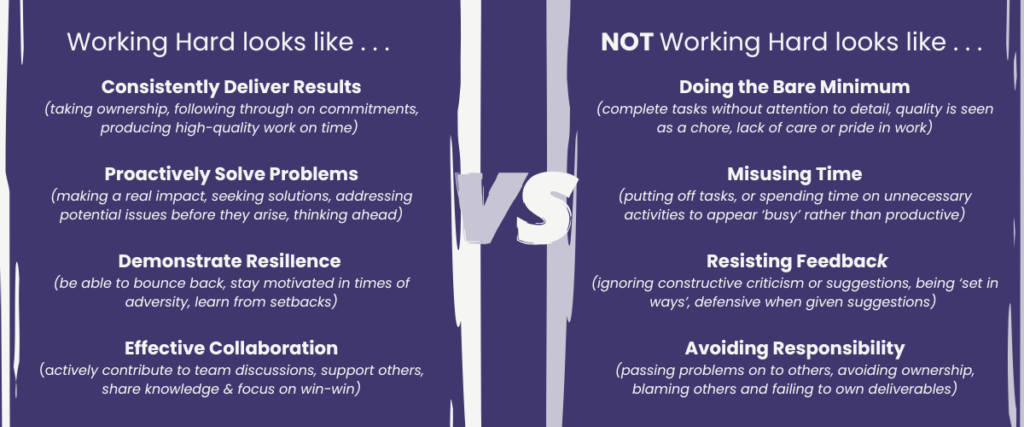
A recent conversation with a client CEO brought this into focus. Before Christmas, they expressed concern that their teams weren’t “working hard enough”. So we unpicked this. Ask yourself – what does it look like to ‘work hard’ versus ‘not work hard’? This client, who supports this post but wants to remain anonymous, said ‘well, they just don’t seem to be doing anything’. ‘Like I saw them all come back from coffee (a team) but they hadn’t actually done anything. Plus some people now work from home more so how so I know they are really working hard?’


What does working hard really mean?

So, have a think. What does working hard truly mean? In our service led economy, if productivity relies heavily on how we think, then as leaders, how do we manage and measure thinking, and it’s value? And how do we harness thinking to set the tone for a more productive and purposeful new year?


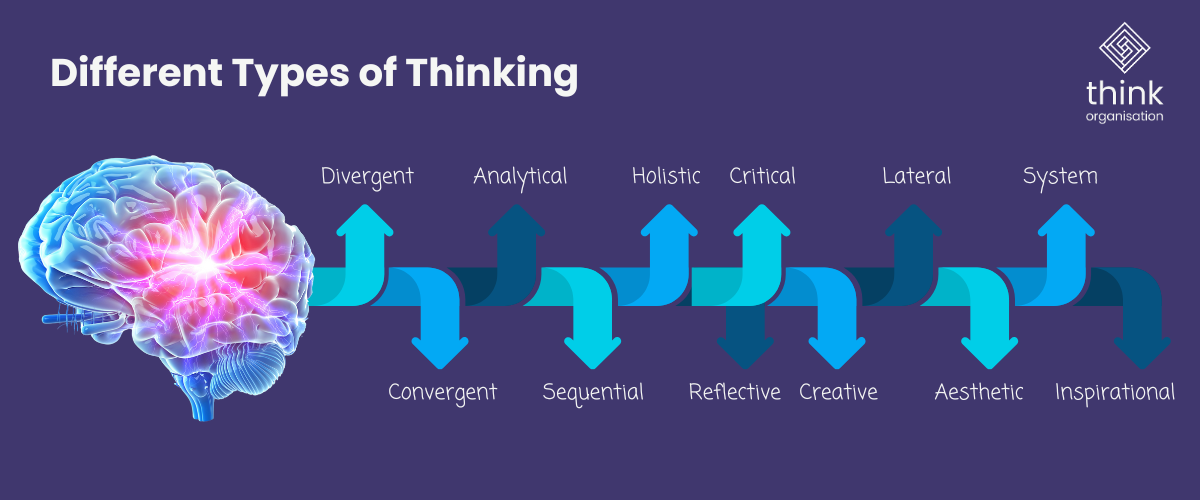
Psychologists, and ICF-accredited Executive Coaches, study different types of thinking because it is critical to understanding and supporting organisations, teams and individuals on their journeys. In the workplace, the dilemma is it is often important to ‘look like’ you are doing something and being productive, when in reality thinking is not something we can always see. Unless of course you are hooked up to an MRI whilst you are at work which is unlikely to improve productivity due to the complexity this entails!


Instead, let’s explore three key steps leaders can take to understand better and elevate thinking in their organisations.


Step 1: Spend Time Thinking About Thinking

Take a moment to reflect on your own thinking process.


  • How do you reason through challenges?
  • What tools or strategies help you think more effectively?
  • Think of a time when you struggled to remember something—how did you overcome it?


Thinking isn’t just something we do unconsciously; although the majority of our thoughts will never reach consciousness. It can be an active process that shapes how we interpret experiences, make decisions, and engage with the world. For leaders, understanding different types of thinking can be fundamental in unlocking the drive for productivity in the workplace.


Three examples of how different ways of thinking can add value to organisations:
  • Critical Thinking: the cognitive process of analysing and evaluating information to make logical, reasoned judgements. This thinking process, or style, is essential for making well-informed decisions and delivering solutions.
  • Creative Thinking: the process of generating original ideas or innovative or new solutions. This thinking style, if often at the start of the innovation process and is also called divergent thinking. In reality, divergent thinking is one element of creative thinking. Creative thinking often thrives in environments that encourage curiosity and experimentation, and where psychological safety is high.
  • Reflective Thinking: this style if often one of the most challenging as it involves reviewing and contemplating past experiences or actions to extract learnings and insights. Understanding others’ feedback, and seeing things from different perspectives means reflective thinking is a powerful tool for personal and organisational growth.


While these three types are well-known, Psychologists think there could be multiple types of thinking with many agreeing on 7-9 different thinking styles as a minimum. Each style of thinking plays a role in how individuals and teams navigate challenges and opportunities, especially when there is conflict between the styles.


Back to our client. One example they gave us was when someone had come up with a long list of new ideas and suggestions, and that had infuriated them. However, this came down to the leader’s expectation setting as what they actually needed to solve this problem was to make a decision. Ensuring an understanding of the problem you are trying to solve, and where you are in that process is fundamental to effective and productive thinking.


As we move into a new year, forward-thinking leaders often focus on organisational productivity. Instead of equating visible busyness with effectiveness, there is an opportunity to foster a culture that values thinking too. So what is the second step?


Step 2: Understand the Effort Behind Thinking

Thinking is not effortless. It’s shaped by emotions, behaviours, physiological & psychological states, and the situation at hand. Moreover, individuals often have preferred thinking styles, which can be measured through psychometric tools such as those endorsed by the British Psychological Society (BPS).


But why should leaders care about how their teams think?


Many negative stories occur because of how teams think. Group-think is a common issue for leaders, with social interactions and hierarchies leading to a lack of challenge, innovation and productive thinking. How often have you thought ‘I could have told them that would happen?’ but you didn’t feel safe to share your concerns earlier in the process?


In practice, humans use multiple types of thinking in tandem to solve problems. This interplay drives innovation and productivity. Measuring and understanding how teams and organisations think is growing since the spotlight has turned to collective thinking. That is, how teams collaborate to generate ideas and make decisions. The infamous Post Office Horizon scandal is a cautionary tale of how flawed collective thinking can lead to devastating consequences. History is littered with organisations dying because their thinking was unproductive, lacked innovation and did not successfully solve the problems they faced.


Step 3: Think About The Plan

A plan gives you purpose and direction. This time of year is a great time to reflect on thinking practices which have led to where you, your team and your organisation are. Where were you last year? Where do you want to be next year?


We encourage all leaders to consider making the commitment to embrace thinking as a critical component of leadership and team performance.


To do this, Think Organisation encourages you to:


  1. Focus on Reflection
    Build time into team meetings or workflows for reflective thinking. Use the insights to improve processes and strategies.
  2. Foster Creativity
    Create environments where team members feel safe to experiment and share ideas without fear of judgement or failure.
  3. Invest in Development
    Provide training or resources to help individuals develop their critical and creative thinking skills.
  4. Recognise the Invisible
    Celebrate the tangible outputs of work and also the thinking that leads to them.


By prioritising thinking, leaders can unlock greater innovation, engagement, and success in 2025. After all, the future belongs to those who not only do but also take the time to think about how they do it.


Finally, we worked with our client to understand what ‘working hard’ looks like compared to ‘not working hard’. The results are shown below and now formed part of their behavioural frameworks and selection processes going forward.


More about Workplace Psychology

There’s more about Workplace Psychology in this Think Organisation Post: Power Psychology – How to Unlock The Secret of Boardroom Dynamics

Alternatively, copy and paste this link into your browser: https://cortex.clyq.co.uk/power-psychology-how-to-unlock-the-secret-of-boardroom-dynamics/

The Importance of Job Design for Leaders: Practical Tips for Success

Effective job design is a critical element for any leader aiming to enhance organisational performance and employee engagement. A well-designed job goes beyond creating a simple job description listing tasks and objectives to be achieved. It involves structuring tasks, responsibilities and systems in a way that aligns with organisational goals, supports employee well-being, and fosters growth.


When done well, job design can boost productivity, engagement, and innovation while reducing turnover and absenteeism. The Think Organisation explores why job design matters and provides practical steps for ensuring it is effective.


Why Job Design Matters

Job design is the foundation of an effective workforce. It defines the scope and boundaries of a role, sets expectations, and ensures alignment with strategic priorities.


A well-designed role provides clarity, autonomy, and opportunities for skill development. This feeds into a well designed organisation which fosters a sense of purpose and motivation among employees. Conversely, poorly designed roles can lead to confusion, stress, and disengagement, ultimately impacting organisational success.


Inclusivity and fairness is a legal requirement for job design. But more importantly, effective job design reduces barriers for diverse candidates and promotes a positive workplace culture. Employees who have clear pathways for growth and progression are more likely to remain in your organisation. This is essential for retaining top talent in today’s competitive job market.


Practical Tips for Effective Job Design

1. Align with Organisational Goals


Ensure the role is directly linked to the organisation’s strategic objectives, values, and priorities. Ask whether the objectives and responsibilities contribute to key performance indicators (KPIs) or broader organisational outcomes.


2. Provide Clarity


Define the responsibilities and objectives clearly, leaving no room for ambiguity. A well-crafted job design outlines the scope and boundaries of the role, ensuring employees understand what is expected of them.


3. Ensure Relevance

Regularly review and update job descriptions to reflect changes in the organisation or industry. Remove outdated tasks and incorporate any new responsibilities that align with evolving priorities.


4. Balance Skills Requirements


Specify the qualifications, technical skills, and interpersonal competencies needed for the role. Strike a balance between technical expertise and human skills to ensure the role is effective and engaging.


5. Foster Inclusivity


Use unbiased, inclusive language in job descriptions to ensure accessibility for diverse candidates. Avoid unnecessary requirements that could create barriers for individuals from different backgrounds.


6. Highlight Growth Opportunities


Include clear opportunities for skill development, career progression, or lateral movement within the organisation. Employees are more engaged when they see potential for growth in their roles.


7. Create Flexibility


Design roles with adaptability in mind, allowing for adjustments as organisational needs evolve. Flexibility ensures roles remain relevant and employees feel supported through change.


8. Build a Solid Foundation for Performance Reviews


A clear job design provides a framework for performance evaluations and development discussions. Use the description to set measurable expectations and track progress effectively.


9. Seek Feedback


Engage employees in discussions about their roles to identify areas for improvement. Feedback can highlight tasks or responsibilities that may be missing or need refinement.


10. Ensure Simplicity and Accessibility


Ensure the role is easily understood, even by someone unfamiliar with the organisation. A well-written job description captures the essence and purpose of the role in clear, concise terms.


Leading Job Design

For leaders, job design is a vital tool in building a productive, motivated, and engaged workforce. By aligning roles with organisational goals, providing clarity, fostering inclusivity, and offering opportunities for growth, leaders can create a culture which benefits both employees and the organisation. Job design is an evolving process, with employees crafting their own roles which they deliver. Regular reviews and employee feedback are crucial to ensure effective job design.


Job design is not a ‘one-off’ recruitment task. Job design evolves alongside business needs, it is fundamental in driving success.


Next time you are asked to rewrite a job description or get an advert out by the end of the week please follow these helpful tips as they are designed to help leaders maximise the potential of their workforce and create a thriving organisational culture which benefits all.


More about Leadership

There’s more about Leadership in this Think Organisation Post: What Can a Successful Leader Learn from Shoelaces

Alternatively, copy and paste this link into your browser: https://cortex.clyq.co.uk/what-can-a-successful-leader-learn-from-shoelaces/

How do you unlock employee engagement in the workplace?

Do you enjoy your time at work?

We all spend a third of our lifetime asleep and a third of our lifetime at work (OWID, 2024), so it would be perfect if we could all enjoy our time at work. Organisations benefit with higher innovation and productivity when employees are highly engaged (Gallup, 2020). Employee engagement is defined as the level of enthusiasm and dedication an employee feels towards their job. It is about feelings, thoughts and behaviour. Understanding whether you enjoy your work is the first foundation in employee engagement.

To enjoy something is to take pleasure in a state, process, activity or action. 

Decades of research and experience has led to Think Organisation understanding how a culture is created to drive engagement in the workplace. People need autonomy, mastery, purpose and affiliation to be engaged at work, or even content in life. This is based on the theory of Daniel Pink (2009), McClelland (1961) and Maslow (1954).  

Being contented is feeling of happiness or satisfaction. 

So think about how much you enjoy being at work? If you had to answer on a scale of 0-10, where would you score? What leads you to this level? How would you increase this level? The chances are it would relate to one of the four categories below.


Autonomy

Autonomy refers to the ability and freedom for individuals or entities to govern themselves, make their own decisions, and act independently without external control or interference. It implies having the authority and capacity to determine one’s own course of action. In the workplace, this means being able to decide how you fulfil your role. You know what needs to be achieved, but it is down to you to achieve it. The opposite to this is often called micro-management. 


To measure your autonomy at work think about how you would respond to the following questions:


  1. How much control do you feel you have over your daily tasks and decisions at work? 
  2. Are you able to work independently and make decisions without constant supervision? 
  3. Do you have the flexibility to choose how you approach your work and manage your time? 
  4. Are you encouraged to take initiative and innovate in your role? 
  5. How much input do you have in determining your goals and objectives? 


It always helps to answer questions such as this using a 0-10 scale, as this gives more perspective. It also then allows you to think about, if I am at 6 then what would getting to an 8 look like?


Mastery

Mastery is the state or quality of possessing comprehensive knowledge, skill, or expertise in a particular subject, activity, or craft. It involves reaching a high level of proficiency and understanding through continuous practice, learning, and refinement of one’s abilities.


In the workplace, this means being able to do things with you enjoy and give you energy, usually based on your strengths. Mastery comes out of having a psychologically safe culture. 

To measure your mastery at work think about how you would respond to the following questions:


  1. How confident do you feel in your skills and abilities related to your job? 
  2. Do you feel challenged and engaged by the tasks you perform at work? 
  3. Are you provided with opportunities for learning and skill development? 
  4. Do you receive constructive feedback and support to improve your performance? 
  5. Are you able to apply your knowledge and expertise in meaningful ways within your role? 


Purpose

Purpose is the reason for which something is done or created, or for which something exists. It involves having a clear sense of direction, meaning, or significance in one’s actions, goals, or endeavours. Purpose often provides motivation, fulfilment, and a sense of belonging or contribution to something greater than oneself. In the workplace, this means more than making a profit, which is an output of business. 


To measure your purpose at work think about how you would respond to the following questions:


  1. Do you feel that your work aligns with your personal values and goals? 
  2. What motivates you to perform well in your job? 
  3. Do you understand how your role contributes to the overall objectives and mission of the organisation? 
  4. Do you feel a sense of fulfilment and satisfaction from the work you do? 
  5. Are you able to see the impact of your contributions on others or society as a whole? 


Affiliation

Affiliation refers to the act of associating or connecting oneself with a particular group, organisation, community, or cause. It involves forming bonds, relationships, or alliances with others who share common interests, values, or objectives. Affiliation can provide a sense of belonging, identity, support, and mutual cooperation. In the workplace, this is about having a team you can trust, a group of people who work with you and support you to achieve autonomy whilst ensuring you are not isolated. 


To measure your affiliation at work think about how you would respond to the following questions:


  1. How would you describe the sense of community and camaraderie among your colleagues? 
  2. Do you feel connected to your coworkers and the larger team or organisation? 
  3. Are there opportunities for collaboration and teamwork in your workplace? 
  4. Do you participate in social activities or events with your colleagues? 
  5. Do you feel supported and valued by your peers and supervisors? 


In reality, there are no right or wrong responses to these questions, as it is all based on perception and personal preferences. The value of the questions is to get you thinking, and they can apply to work as well as other facets of your life. All of us need to earn money to feed, clothe and house ourselves and our dependents, which is why we spend a third of our life working. However, what if we could improve our level of enjoyment and contentment at work?


Research over the years has shown that improving autonomy, mastery, purpose, and affiliation in the workplace can significantly enhance employee engagement, satisfaction, and overall organisational performance. 


10 actions your organisation could do to grow employee engagement


1. Encourage a Culture of Trust and Empowerment

Foster an environment where employees feel trusted to make decisions and take ownership of their work. Provide opportunities for autonomy by allowing employees to have control over their tasks, schedules, and projects. Understand levels of trust in teams and take steps to improve this if required.


2. Promote Continuous Learning and Development

Offer training programmes, workshops, and resources to support employees in developing their skills and expertise. Encourage a growth mindset and provide opportunities for employees to learn new things and expand their knowledge. Be mindful that some people will have a strong appetite for learning whilst others may need some encouragement. Understanding people’s learning styles can help with this.


3. Clarify Organisational Mission and Values

Ensure that employees understand the purpose and values of the organisation. Communicate the company’s mission and goals clearly and regularly, and help employees see how their work contributes to the larger purpose. Involving employees in the evolution of missions and values helps encourage buy-in but is not essential. The quality of the mission and values is how they help guide decisions and ways of working in the real world.


4. Provide Meaningful Work for Engagement

Design jobs and tasks that are challenging, engaging, and meaningful to employees. Align individual roles with employees’ skills, interests, and career aspirations to increase their sense of purpose and fulfilment. With the introduction of machine learning and artificial intelligence, there are new ways of working emerging daily. Utilising technology to enhance meaningful work is crucial for organisations to remain at the forefront of innovation.


5. Offer Opportunities for Collaboration

Create opportunities for teamwork, collaboration, and peer support. Encourage cross-functional projects, team-building activities, and social events to foster a sense of affiliation and belonging among employees. Any team which works in silo will be less innovative, less productive and ultimately less profitable. Ensuring effective communication between teams is crucial for employees to be engaged, and organisations to be successful.


6. Recognise and Reward Achievement for Engagement

Acknowledge and celebrate employees’ achievements, milestones, and contributions. Provide regular feedback and recognition to reinforce positive behaviours and accomplishments, which can increase motivation and mastery. This must be done in an inclusive format to suit the needs and preferences of the individual as well as the collective.


7. Promote Work-Life Balance for Engagement

Support employees in achieving a healthy work-life balance by offering flexible work arrangements, such as remote work options or flexible hours. Encourage employees to take breaks, vacations, and time off to recharge and prevent burnout. These can be agreed upon through ground rules or ways of working which suit the nature of the business and industry.


8. Foster Open Communication for Engagement

Create channels for transparent and open communication within the organisation. Encourage feedback, suggestions, and ideas from employees at all levels, and ensure that their voices are heard and valued. It is vital to understand automatic facial expressions and body language as part of this, as just requesting it is not enough. Leaders need to be open to embracing the information when it is offered. Frequently, this requires training and practice.


9. Invest in Employee Well-being to enhance Engagement

Prioritise employee well-being by offering wellness programmes, mental health resources, and support services. Show genuine care and concern for employees’ physical, mental, and emotional health, which can enhance their sense of affiliation and belonging. Often organisations focus on high-level activities (e.g. yoga at lunch), yet there is a much higher return from having a culture which truly supports wellness. Employees who are not psychologically safe will not be engaged, or high-performing over the long term, and yoga at lunch will not solve this problem alone.


10. Lead by Example to grow Engagement

Demonstrate leadership behaviours that embody autonomy, mastery, purpose, and affiliation. Set a positive example for employees by showing trust, providing support, communicating purpose, and fostering a sense of community within the organisation. Humans learn from others’ behaviours so role modelling is crucial to ensure high employee engagement is unlocked in your organisation.


By implementing these strategies, organisations can create a workplace culture that promotes autonomy, mastery, purpose, and affiliation, leading to higher employee satisfaction, engagement, and performance. 


Think Performance. Think Excellence. Think Impact.

If you would like help unlocking employee engagement in your organisation then reach out to Think Organisation.

More about Motivation

There’s more about Motivation in this Think Organisation Post: Can Leaders Really Motivate Their Employees

Alternatively, copy and paste this link into your browser: https://cortex.clyq.co.uk/can-leaders-really-motivate-their-employees/
Are you ready to

start your joruney?

Take the first step to transform your workplace.

Call us on 07123 456 789
Email us at sarah@cortexworx.com

© Copyright Cortex Worx LTD. All rights reserved. | Website by Clyq